
Imagine being able to assess how healthy the front of our eyes are not only in hospitals, but also in remote eye-screening camps, elderly-care facilities, pharmacies, or even train stations. That is the future a research team led by Professor Toru Nakazawa at the Graduate School of Medicine, Tohoku University is working toward with a newly developed portable AI-powered scanning slit-light device. This convenient device hopes to make ophthalmic care more accessible, so patients can be assessed any place and any time. The findings are published in Scientific Reports.
Source link
AI-powered portable eye scanner expands access to low-cost community screening
April 2, 2026
0 Comments
Explore More
First 3D views of human cone opsins reveal how daylight vision reacts so fast
The retina of the human eye contains 6–7 million cone cells. These cells contain light-sensitive proteins known as cone opsins. They enable us to perceive our surroundings in detail in
Retinal therapy research marks first successful induction of long-term neural regeneration
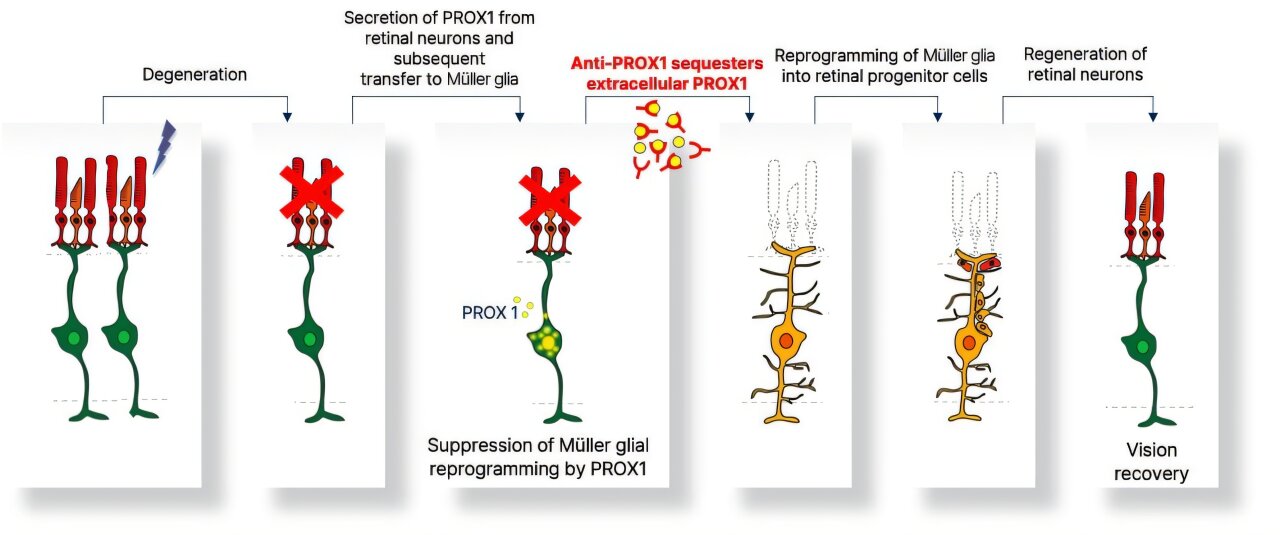
Schematic diagram of the mechanism of retinal regeneration through inhibition of PROX1 migration. PROX1 protein secreted from damaged retinal nerve cells migrates to Müller glia and inhibits dedifferentiation into neural
Eye cells ‘rewire’ themselves when vision begins to fail, study finds
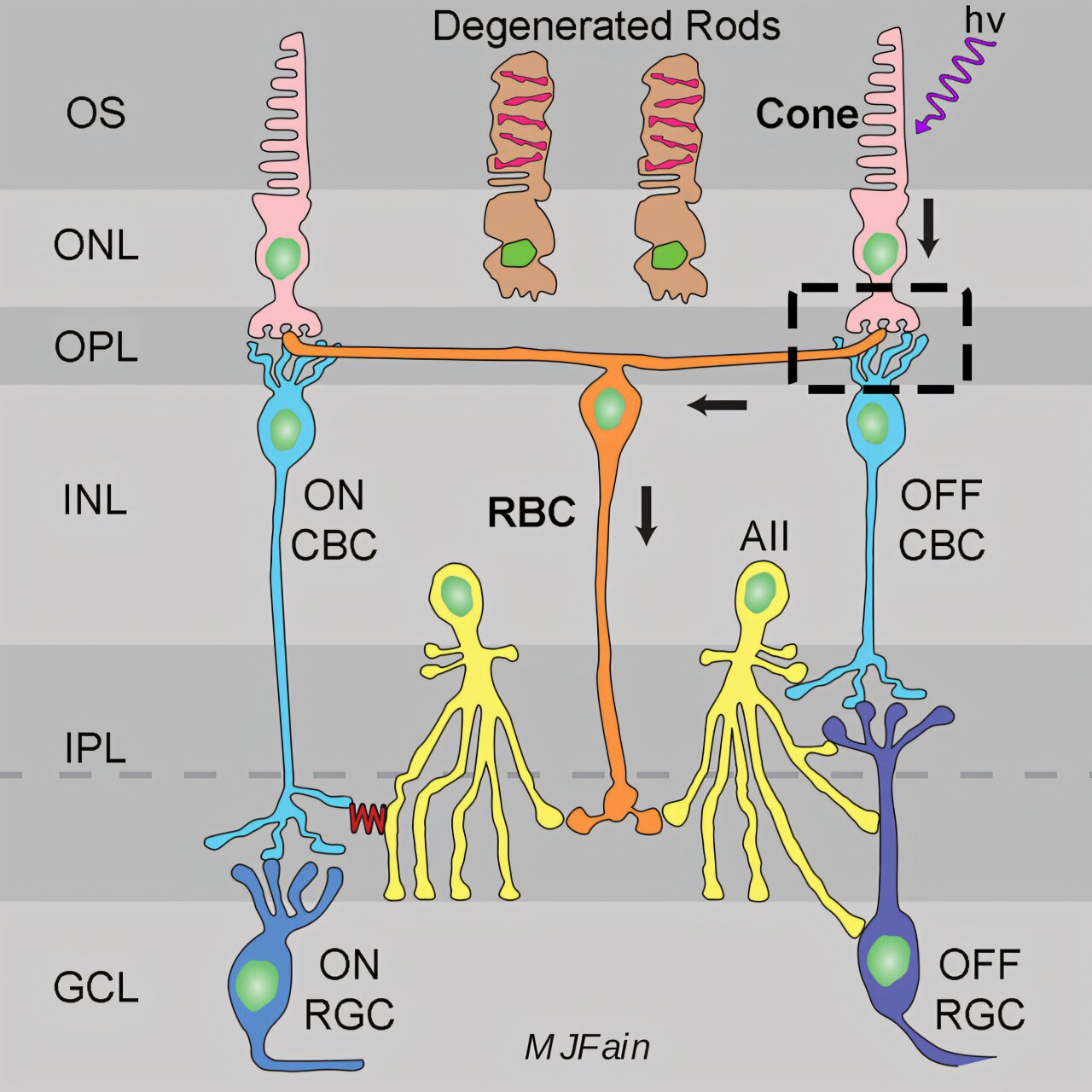
Graphical abstract. Credit: Current Biology (2025). DOI: 10.1016/j.cub.2025.05.057 Scientists at the Jules Stein Eye Institute at the David Geffen School of Medicine at UCLA have discovered that certain retinal cells