
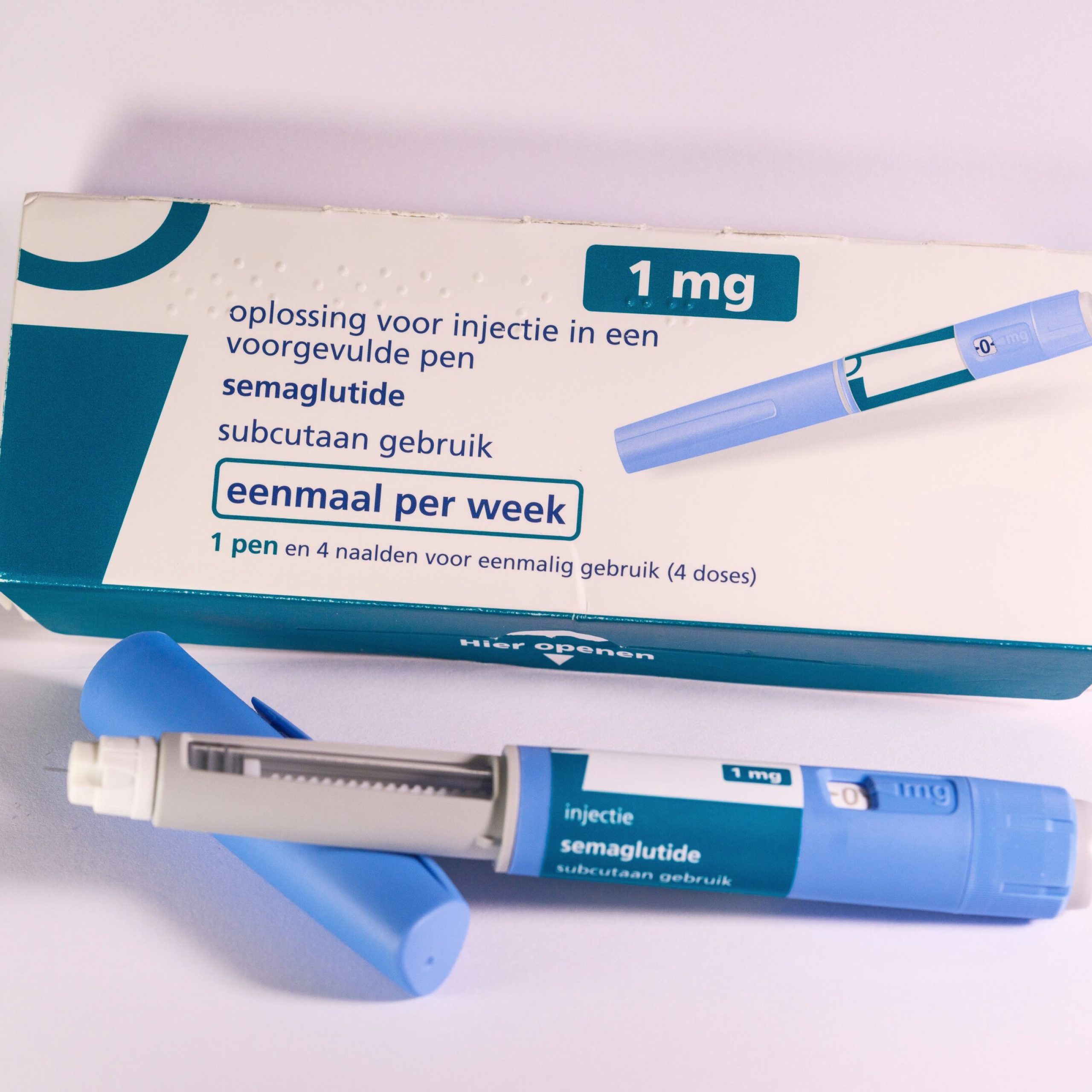

Semaglutide, widely used to treat diabetes and obesity, was associated with more than double the risk of developing neovascular age-related macular degeneration (nAMD) in older patients with diabetes, according to researchers at the University of Toronto.
Age-related macular degeneration blinds more older adults in Western countries than any other retinal disease. Neovascular AMD, while less common than its dry counterpart, causes nearly all cases of sudden, irreversible central vision loss due to abnormal blood vessel growth that damages the macula.
Semaglutide, a glucagon-like peptide-1 receptor agonist (GLP-1 RA), has transformed the treatment of type 2 diabetes and, more recently, obesity. Semaglutide, sold under brand names like Ozempic and Wegovy, now commands blockbuster status, often promoted as a solution for weight loss and reduced cardiovascular risk. Retinal effects were never in the intended target scope of the drug.
Warnings first surfaced from major diabetes trials, where GLP-1 RAs were linked to complications in diabetic retinopathy. Reports of optic nerve damage followed. Small laboratory studies occasionally pointed in the opposite direction, suggesting neuroprotection or vascular benefits. Consensus remains elusive.
What has remained in the dust of accelerated prescriptions is a hazy picture of whether long-term GLP-1 treatments may be influencing retinal disease pathways like AMD.
In the study, “Glucagon-like peptide-1 receptor agonists and risk of neovascular age-related macular degeneration,” published in JAMA Ophthalmology, researchers conducted a population-based retrospective cohort analysis to determine whether older adults with diabetes face increased risk of nAMD after exposure to GLP-1 receptor agonists.
Health and demographic records across Ontario between 2020 and 2023 were used to identify 139,002 adults aged 66 and older with diabetes. Among them, 46,334 had used GLP-1 receptor agonists for at least six months, while 92,668 had no recorded exposure.
Statistical hazard modeling showed a significantly elevated risk of nAMD in the GLP-1 RA group. Adjusted hazard ratio was 2.21 (95% CI, 1.65–2.96), indicating more than double the risk compared to matched unexposed patients.
Risk rose with longer duration of GLP-1 RA use, reaching an adjusted hazard ratio of 3.62 for exposures of 30 months or more. Older age and prior cerebrovascular events were also independently associated with higher risk.
Concerns over retinal complications from GLP-1 receptor agonists have sharpened as evidence accumulates. In two major cardiovascular trials—SUSTAIN 6 and PIONEER 6—patients receiving semaglutide showed higher rates of diabetic retinopathy complications than those on placebo.
Associations between GLP-1 RA exposure and nAMD diagnosis persisted across duration strata and mirrored earlier patterns of vision-threatening complications reported with semaglutide. The potential for delayed-onset ocular harm may warrant periodic eye examinations for patients receiving prolonged treatment.
Further research will be needed to determine whether the retinal risks are a pharmacologic side effect, disease interactions, or artifacts of some other correlating data gap. In the meantime, a very large future cohort is being produced through the surge of semaglutide prescriptions.
More information:
Reut Shor et al, Glucagon-Like Peptide-1 Receptor Agonists and Risk of Neovascular Age-Related Macular Degeneration, JAMA Ophthalmology (2025). DOI: 10.1001/jamaophthalmol.2025.1455
© 2025 Science X Network
Citation:
Use of semaglutide linked to doubled risk of neovascular macular degeneration (2025, June 9)
retrieved 9 June 2025
from https://medicalxpress.com/news/2025-06-semaglutide-linked-neovascular-macular-degeneration.html
This document is subject to copyright. Apart from any fair dealing for the purpose of private study or research, no
part may be reproduced without the written permission. The content is provided for information purposes only.
