
Researchers at Johns Hopkins Medicine say they have successfully demonstrated that disrupting an eye structure long suspected of blocking the growth and survival of transplanted nerve cells may help restore vision in people with optic nerve damage.
Source link
Experiments advance efforts to restore vision with transplanted neurons
April 29, 2026
0 Comments
Explore More
Precise map of primate foveolar cortex uncovers intricacies of brain’s visual system
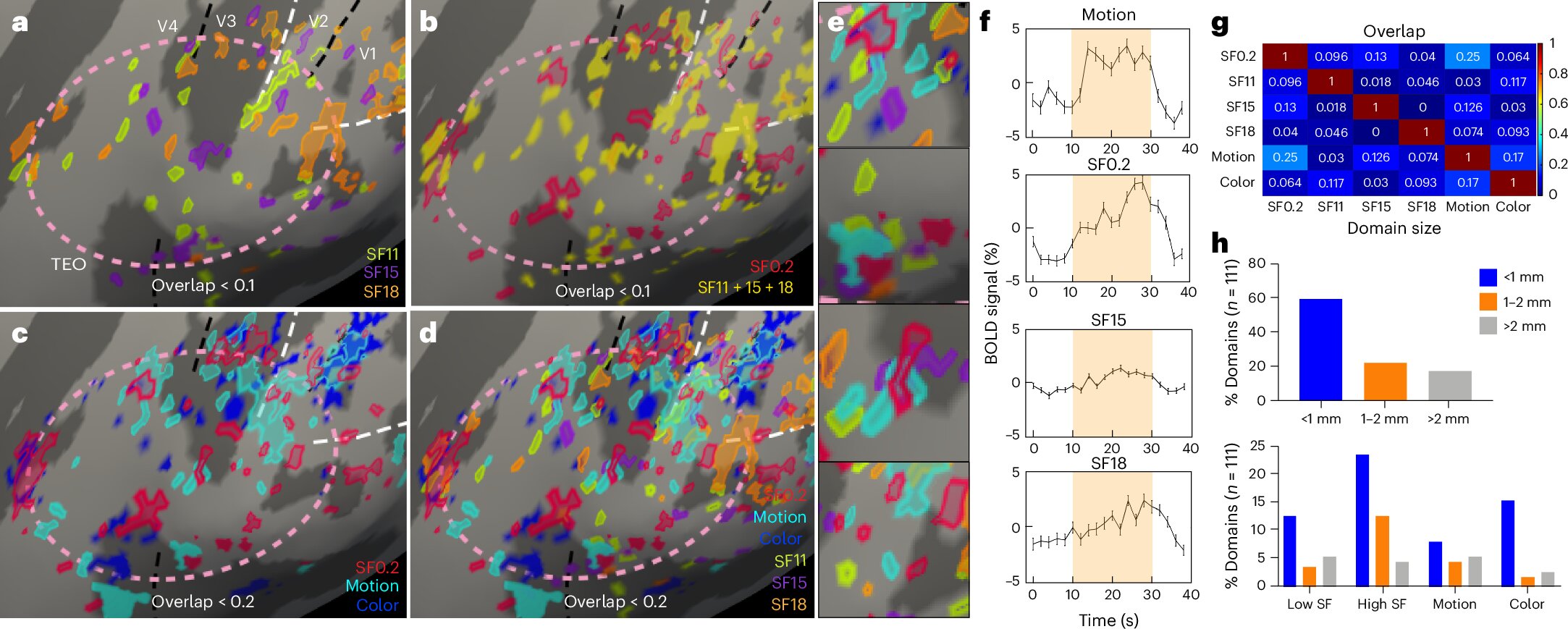
Color-coded responses to different visual stimuli. a, Activations to achromatic high-SF gratings (in cycles per degree). Yellow, SF11; purple, SF15; orange, SF18. b, Overlay of high-SF (yellow, SF11 + SF15 + SF18) and low-SF
Better cataract surgery thanks to AI video analysis
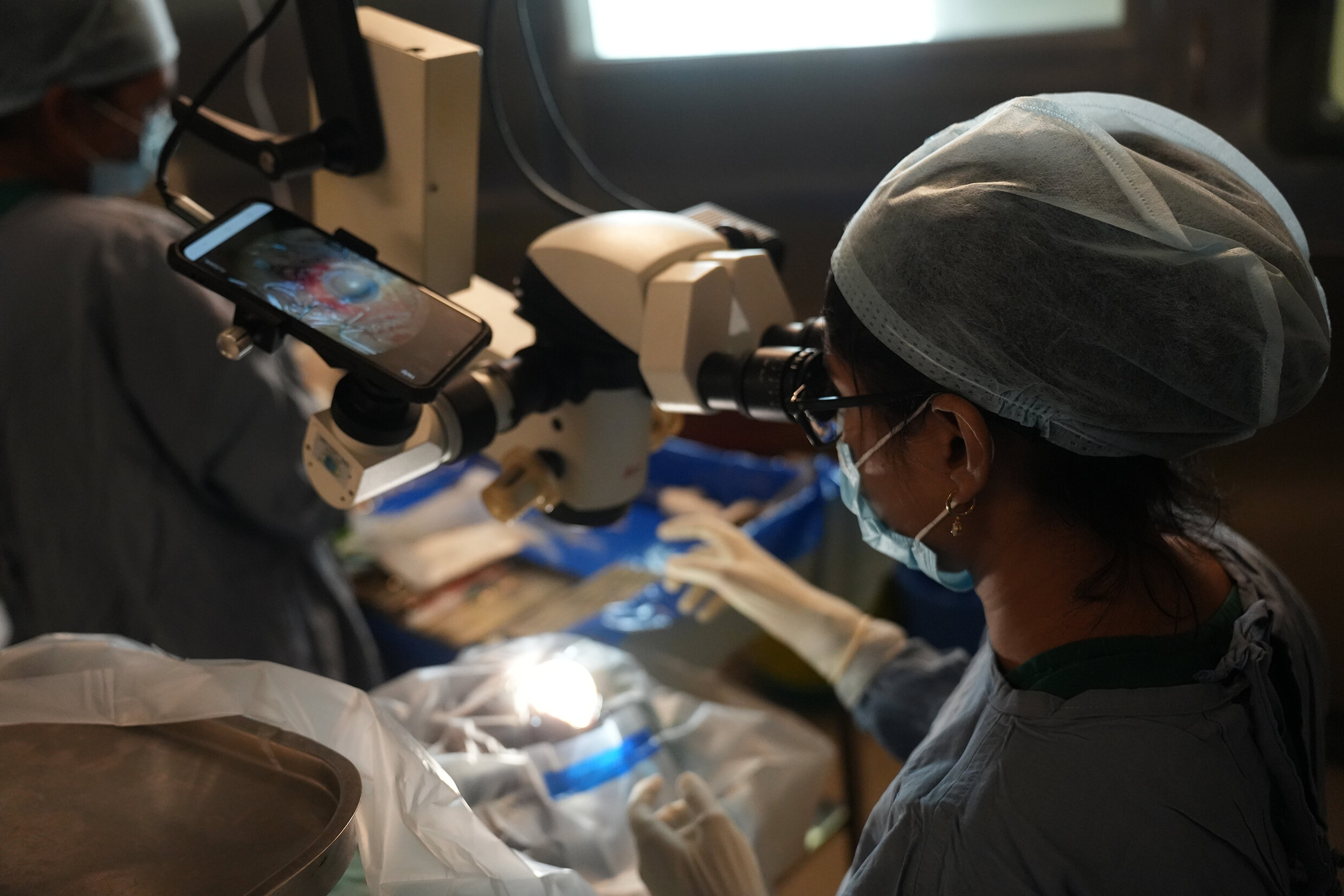
Cataract surgery at Sankara Eye Hospital is recorded on video. Credit: Sankara Eye Foundation India & University Hospital Bonn Although manual small incision cataract surgery (SICS) is widely practiced in
FDA approves a first-of-its-kind eye implant that slows vision loss in rare eye disease
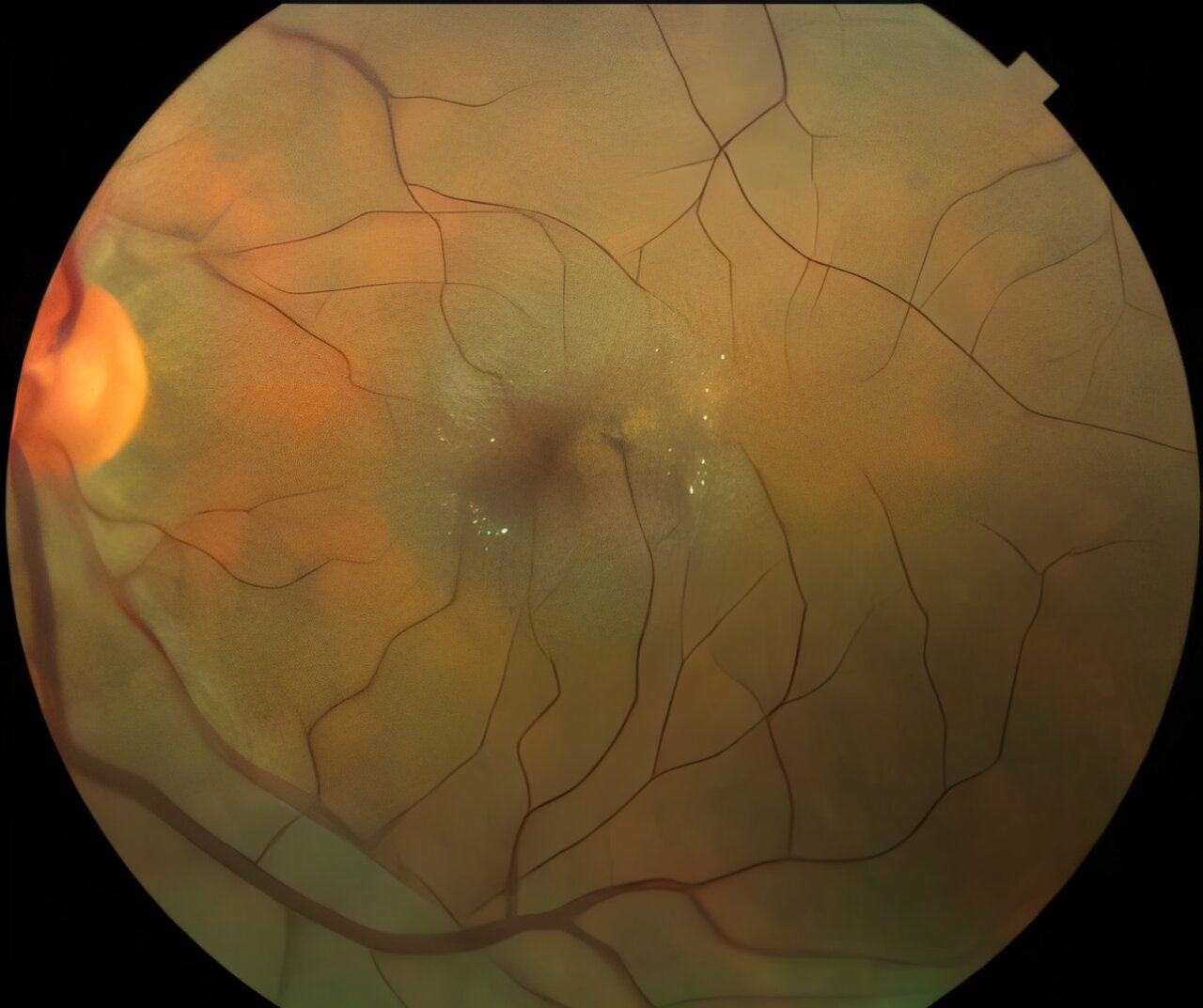
Eye image of a patient with macular telangiectasia type 2, showing tiny crystal-like deposits and abnormal blood vessels in the retina. Credit: Scripps Research For people diagnosed with macular telangiectasia