Your pancreas may be making its own version of Ozempic
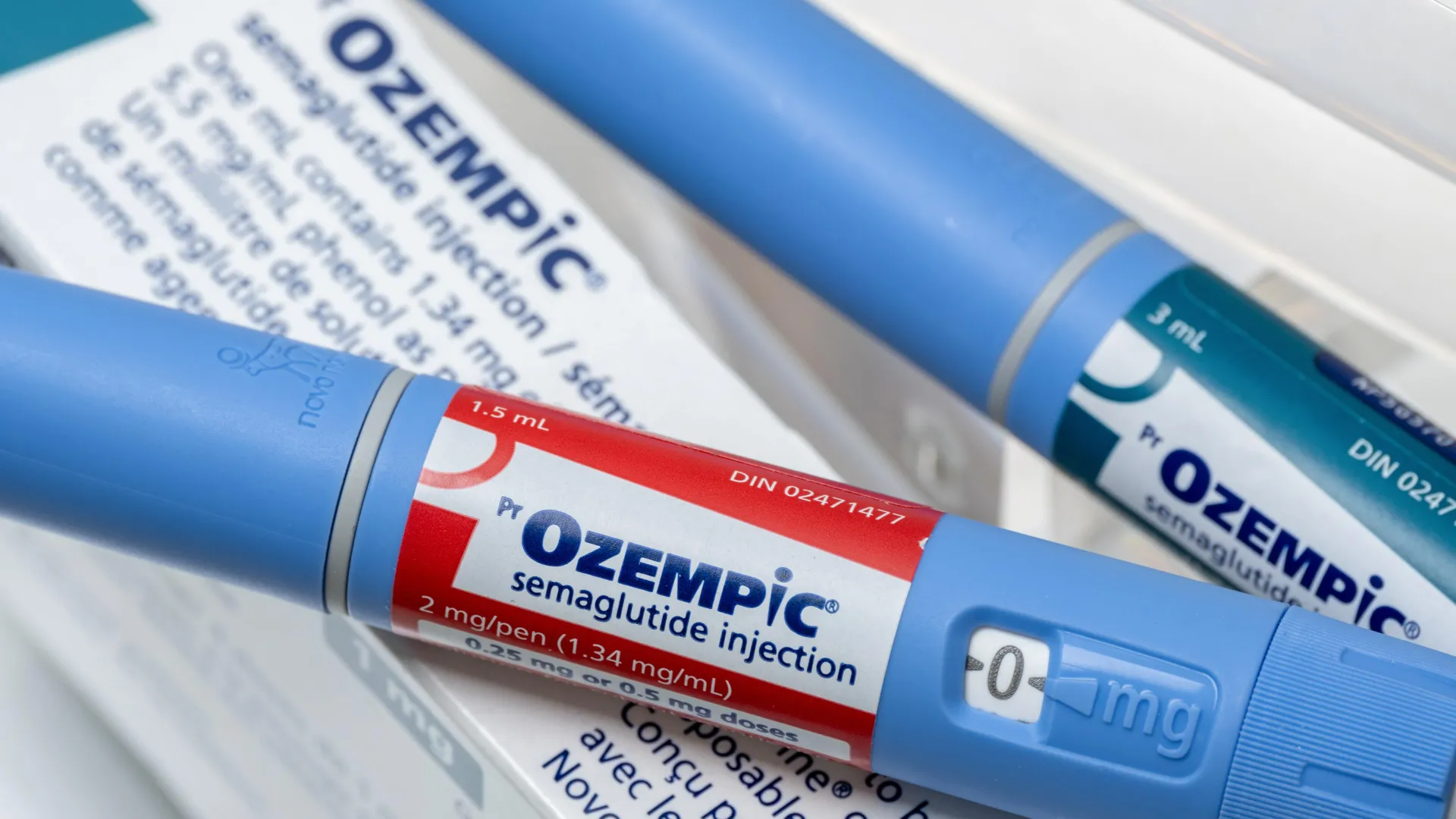
A new study from Duke University School of Medicine is challenging long-standing views on blood sugar regulation — and pointing to a surprising new ally in the fight against type


Many former leaders of the world’s nine nuclear-armed nations were impaired by health conditions while in office, raising concerns over their decision-making abilities while they had access to nuclear weapon
Putting the brakes on an enzyme might rescue neurons that are dying due to a type of Parkinson’s disease that’s caused by a single genetic mutation, according to a new
Dynamic, reversible modifications of DNA and RNA regulate how genes are expressed and transcribed, which can influence cellular processes, disease development, and overall organismal health. Small nucleolar RNAs (snoRNAs) are
Organoids — miniature, lab-grown tissues that mimic organ function and structure — are transforming biomedical research. They promise breakthroughs in personalized transplants, improved modeling of diseases like Alzheimer’s and cancer,
Researchers from the University of Otago — Ōtākou Whakaihu Waka have created a world-first epigenetic tool which has implications for medicine, sports, and agriculture. In a study published in the
More than half of all men with Klinefelter syndrome (KS) are unaware that they have the condition. Among those who do receive a diagnosis, only about half get the treatment
We all know someone who seems to defy aging — people who look younger than their peers despite being the same age. What’s their secret? Scientists at Osaka University (Japan)
Researchers from the Turner lab have published the first description of the role of the ZFP36 family of RNA binding proteins in regulatory T cells (Tregs). Tregs are key to
We’ve all felt the sting of guilt when fruit and vegetables go bad before we could eat them. Now, researchers from MIT and the Singapore-MIT Alliance for Research and Technology