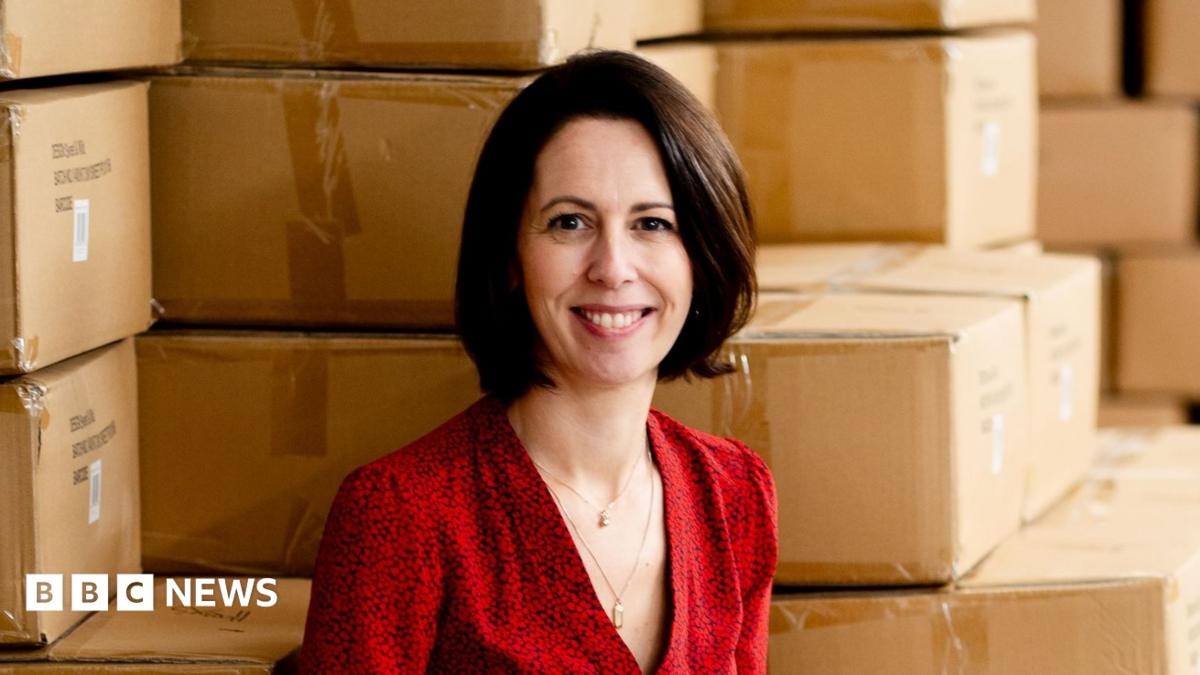
When Irene Breen got a notification in January 2025 that Instagram was removing adverts for her company’s pregnancy pillows, she was confused. What was so offensive about a pillow?
She was later told on a call with Meta that the problem was the word “pregnancy”.
“We had to scrub the word from our entire website… from the product name,” Breen said. “We had to remove all our URLs which had pregnancy in them and rename them all.”
The restrictions were eventually lifted but, she said, it took 10 months of conversations with Instagram’s parent company Meta – by which time her business had suffered a significant financial hit.
Meta, which also owns Facebook, told the BBC that while businesses can run adverts that promote wellness, sexual health and reproductive products and services, there are restrictions to avoid users across countries and cultures having a negative experience.
The company initially declined to comment on individual cases. After the BBC’s story was published, a spokesperson added: “The suggestion that the word ‘pregnancy’ cannot be used on our platforms is incorrect. To be clear, people can freely use the word ‘pregnancy’ in posts, and share and discuss pregnancy-related content.”
It’s not just businesses taking out paid adverts who claim their content has been unfairly restricted.
Women’s health creators and charities have told us their content has been removed, had sensitivity filters added, or had its reach suppressed – a practice known as “shadowbanning”.
The campaign group CensHERship monitors claims that women’s health content is being suppressed.
In a report last month, it surveyed nearly 200 creators, clinical providers, health brands, charities, and educators – 96% of whom said they had experienced restrictions in some form.