
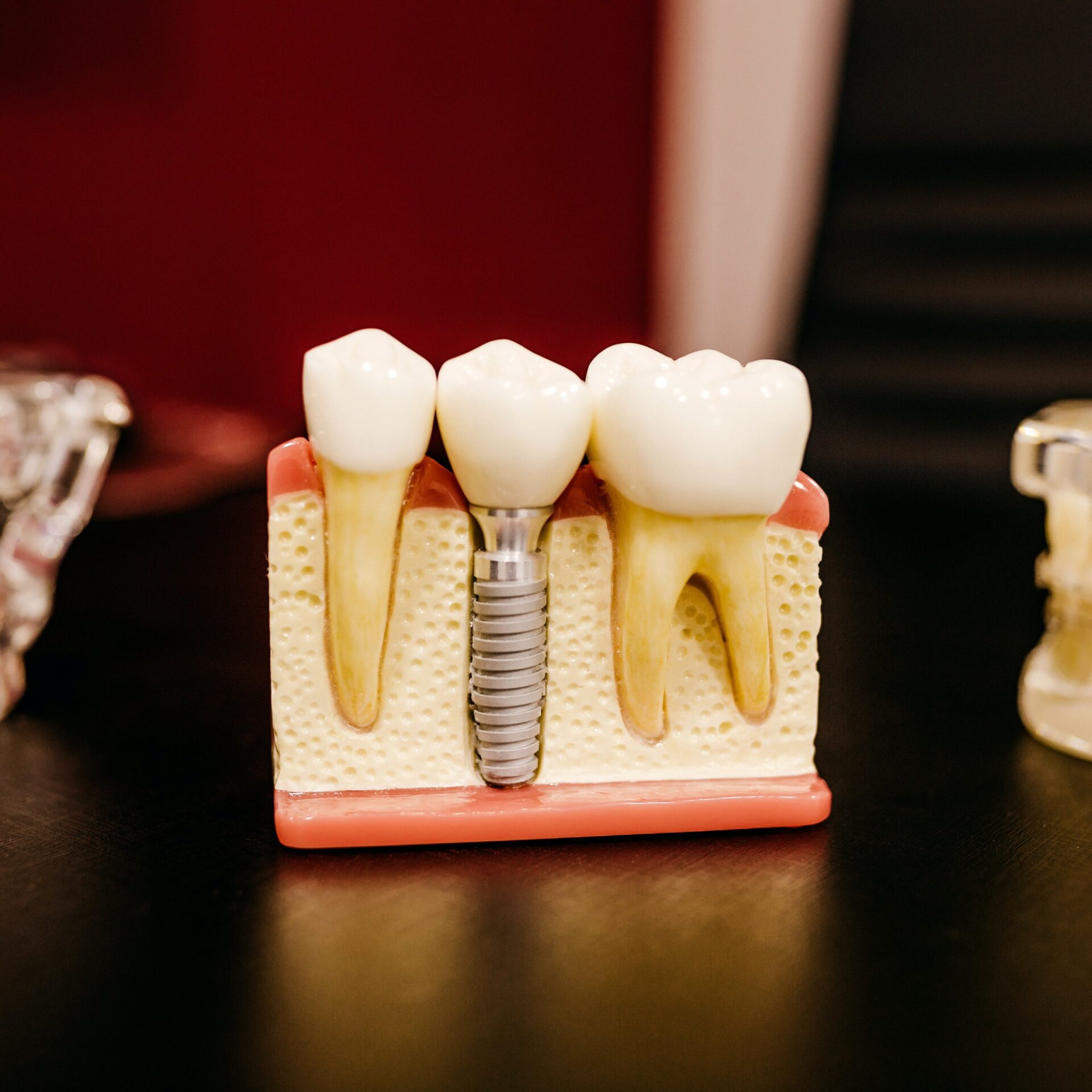
Teeth are composites of mineral and protein, with a bulk of bony dentin that is highly porous. This structure allows teeth to be both strong and sensitive. Besides calcium and phosphate, teeth contain trace elements such as zinc. Using complementary microscopy imaging techniques, a team from Charité Berlin, TU Berlin and HZB has quantified the distribution of natural zinc along and across teeth in 3 dimensions. The team found that, as porosity in dentin increases towards the pulp, zinc concentration increases 5~10 fold. These results help to understand the influence of widely-used zinc-containing biomaterials (e.g. filling) and could inspire improvements in dental medicine.
Source link
What a zinc gradient in dentin could mean for fillings and tooth health
February 19, 2026
0 Comments
Explore More
Just a moment…
Just a moment… Enable JavaScript and cookies to continue This request seems a bit unusual, so we need to confirm that you’re human. Please press and hold the button until
Study links lack of oral health care with complications during pregnancy

Credit: Pixabay/CC0 Public Domain For pregnant women in the U.S., the use of oral health services during pregnancy remains low, with fewer than 40% seeking preventive oral health care. So
Study shows long-term benefits of saving ‘hopeless’ teeth
Credit: Unsplash/CC0 Public Domain A major long-term study presented at EuroPerio11, the world’s leading congress on gum health and implant dentistry by the European Federation of Periodontology (EFP), reveals that