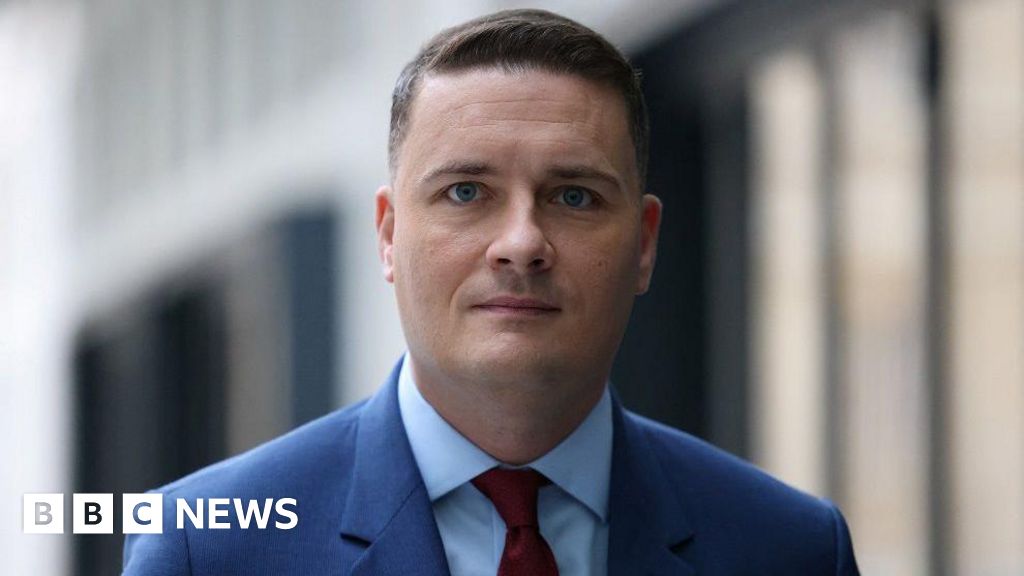
Health Secretary Wes Streeting has dismissed suggestions that plans to provide weight loss jabs to unemployed people with obesity are “dystopian.”.
The UK government is launching a five-year trial with pharmaceutical giant Lilly to test if the weight-loss drug Mounjaro can help get more people back to work and ease the strain on the NHS in England by preventing obesity-related diseases.
The announcement prompted a backlash, with accusations that the government was stigmatising unemployed individuals and reducing people to their economic value.
Speaking on Sunday with Laura Kuenssberg, Streeting said the jabs were part of a broader healthcare plan, adding that he was “not interested in some dystopian future where I involuntarily jab unemployed people who are overweight”.
“There’s a lot of evidence already that these jabs combined with changes to diet and exercise can help people to reduce their weight but also prevent cardiovascular disease and also diabetes which is game-changing,” Streeting said.
But he cautioned against creating a “dependency culture”.
Some injections are already prescribed on the NHS for the treatment of obesity, and also for people with diabetes.
Prime Minister Sir Keir Starmer previously told the BBC the jabs would be “very helpful” to people who want and need to lose weight.
“[The drug is] very important for our NHS, because, yes we need more money for the NHS, but we’ve also got to think differently”.
The NHS’s latest Health Survey for England shows in 2022, 29% of adults in England were obese and 64% were deemed to be overweight.
Illnesses relating to obesity cost the NHS £11bn a year, Streeting said.
Obesity has also been linked to the development of type 2 diabetes, with the NHS spending around £10bn a year – 9% of its budget – to care for people with diabetes.