
Global Health Correspondent

 Getty Images
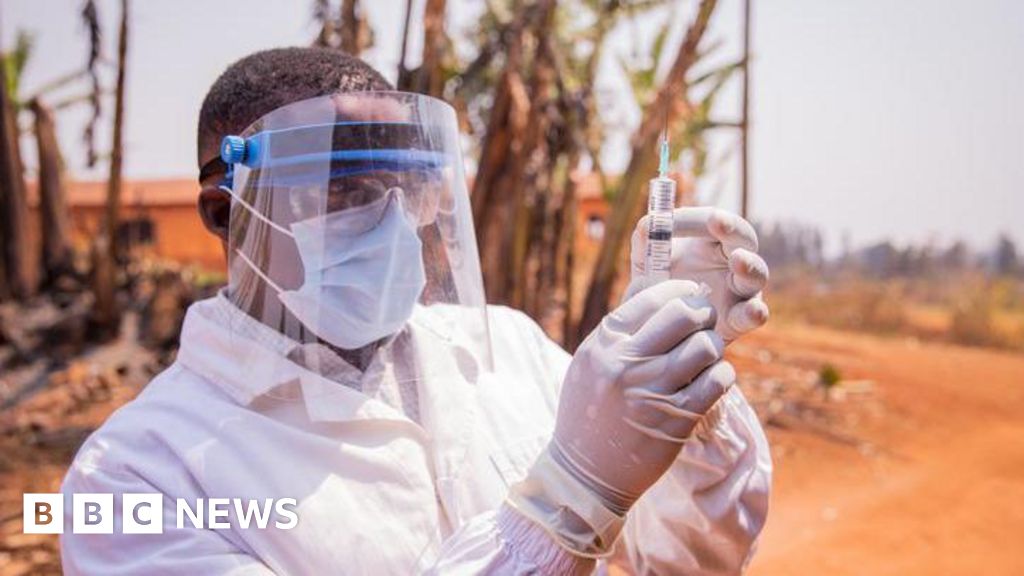
Emergency vaccination programmes – rolled out in response to outbreaks of five major diseases – are believed to have reduced deaths by around 60% over a period of 23 years, according to a new study.
A similar number of infections are also thought to have been prevented.
Researchers believe that vaccinations stopped much bigger outbreaks of illnesses like Ebola, cholera and yellow fever.
The study also points to the significant economic benefits of vaccination programmes, which run into billions of dollars.
Researchers say this is the first comprehensive study to assess the impact of emergency vaccination programmes in response to the outbreak of five infectious diseases – Ebola, measles, cholera, yellow fever and meningitis.
They studied 210 different incidents from 2000 to 2023, covering 49 different countries.
The vaccine roll-outs seem to have had an impressive impact, reducing deaths by nearly 60%.
The number of overall cases of these infections were also reduced by nearly 60%.
The swift deployment of vaccines also appears to have halted wider outbreaks.
There were economic benefits too – worth an estimated $32 billion.
These benefits come mainly from averting deaths and years of life lost to disability.
But researchers believe this could be a significant underestimate of overall savings, as it doesn’t take into account the costs of dealing with a wider outbreak, or the economic disruption caused by a more serious health emergency.
It’s believed the 2014 Ebola outbreak, which occurred before the existence of an approved vaccine, is estimated to have cost West African countries alone more than $53 billion.
The power of vaccines
The study was backed by Gavi, the vaccine alliance, which was responsible for many of the programmes.
Dr Sania Nishtar, the organisation’s CEO, says the study shows just how important quick and effective vaccine roll-outs can be.
“For the first time, we are able to comprehensively quantify the benefit, in human and economic terms, of deploying vaccines against outbreaks of some of the deadliest infectious diseases.
“This study demonstrates clearly the power of vaccines as a cost-effective counter-measure to the increasing risk the world faces from outbreaks.
“It also underscores the importance of fully funding Gavi, so it can continue to protect communities in the next five years to come.”
Gavi is currently trying to secure a fresh round of funding in the face of global cuts to foreign aid.


