
Uruguay has legalised euthanasia, becoming the first country in Latin America to pass a law that allows assisted suicide.
The Dignified Death bill was passed in the senate on Wednesday, with 20 out of 31 legislators present voting in favour.
The bill allows mentally sound adults in the terminal stage of an irreversible disease to choose euthanasia to be performed by a healthcare professional.
Uruguay has a history of passing socially liberal laws, legalising marijuana, same-sex marriage and abortion long before many others.
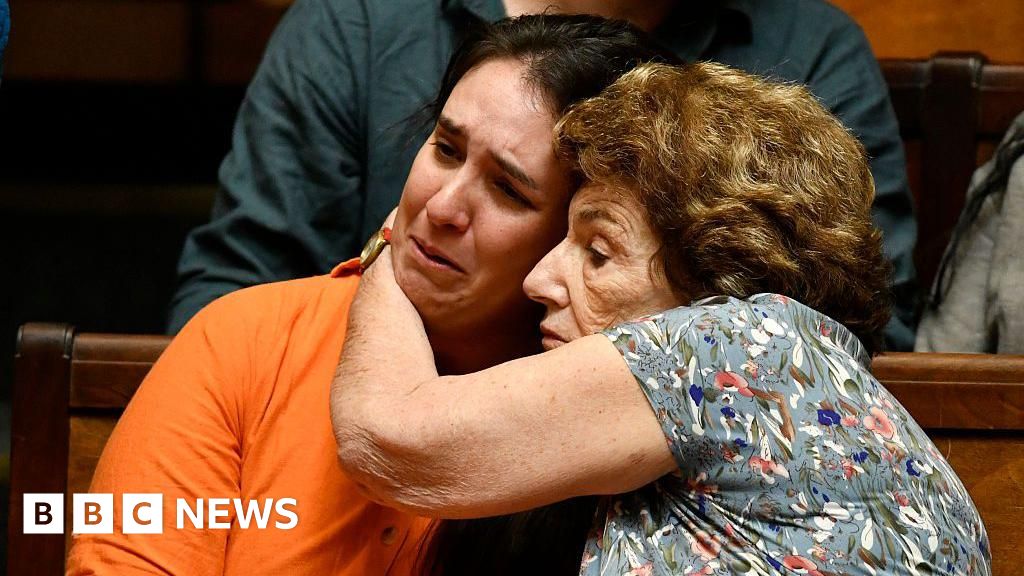
While the 10-hour debate was mostly respectful, some onlookers watching the debate cried out “murderers” after the bill passed.
“Public opinion is asking us to take this on,” Senator Patricia Kramer of the governing leftist coalition told lawmakers in the capital, Montevideo.
Some 62% of Uruguayans were in favour of euthanasia legalisation, according to the consulting firm Cifra.
Most opposition to euthanasia came from the Catholic Church.
Earlier this month, Daniel Sturla, the archbishop of Montevideo, told the Catholic News Agency that the bill “instead of contributing to valuing life, contributes to thinking that some lives are disposable, and that is why we believe it is fundamentally bad”.
Those wanting to end their life must request euthanasia personally and in writing, provided they are a Uruguayan citizen or a foreign resident, the law states.
Euthanasia will be performed so that their death occurs in a “painless, peaceful, and respectful manner”, it says.
Reacting to the news, Beatriz Gelós, a 71-year-old woman who has been living with neurodegenerative ALS for two decades, told the AFP news agency the law was “compassionate, very humane”.
She said opponents “have no idea what it’s like to live like this”.
While Uruguay becomes the first country in predominantly Catholic Latin America to allow euthanasia through legislation, Colombia and Ecuador decriminalised the practice through Supreme Court decisions.
