
Our eyes alone do not provide us with a continuous and stable view of the world. They jump several times each second in rapid movements called saccades. Because the eye projects the world onto the retina, we should see the world shift abruptly each time the eyes move; the visual scene should feel unstable. However, the brain uses sophisticated mechanisms that ensure it does not.
Source link
The ghosts we see: Afterimages provide clues to how our brains perceive a stable environment
March 13, 2026
0 Comments
Explore More
Stem cell transplants repair macular holes in primate study
Credit: Pixabay/CC0 Public Domain Human stem cell transplants successfully repaired macular holes in a monkey model, researchers report October 3 in the journal Stem Cell Reports. After transplantation, the macular
Study of older patients suggests 1 in 5 cases of dementia may be attributable to vision impairment

Credit: Pixabay/CC0 Public Domain Prior research has found that there may be a connection between hearing loss in aging people and the onset of dementia. In a new study, a
Uniquely shaped microstent developed to combat glaucoma
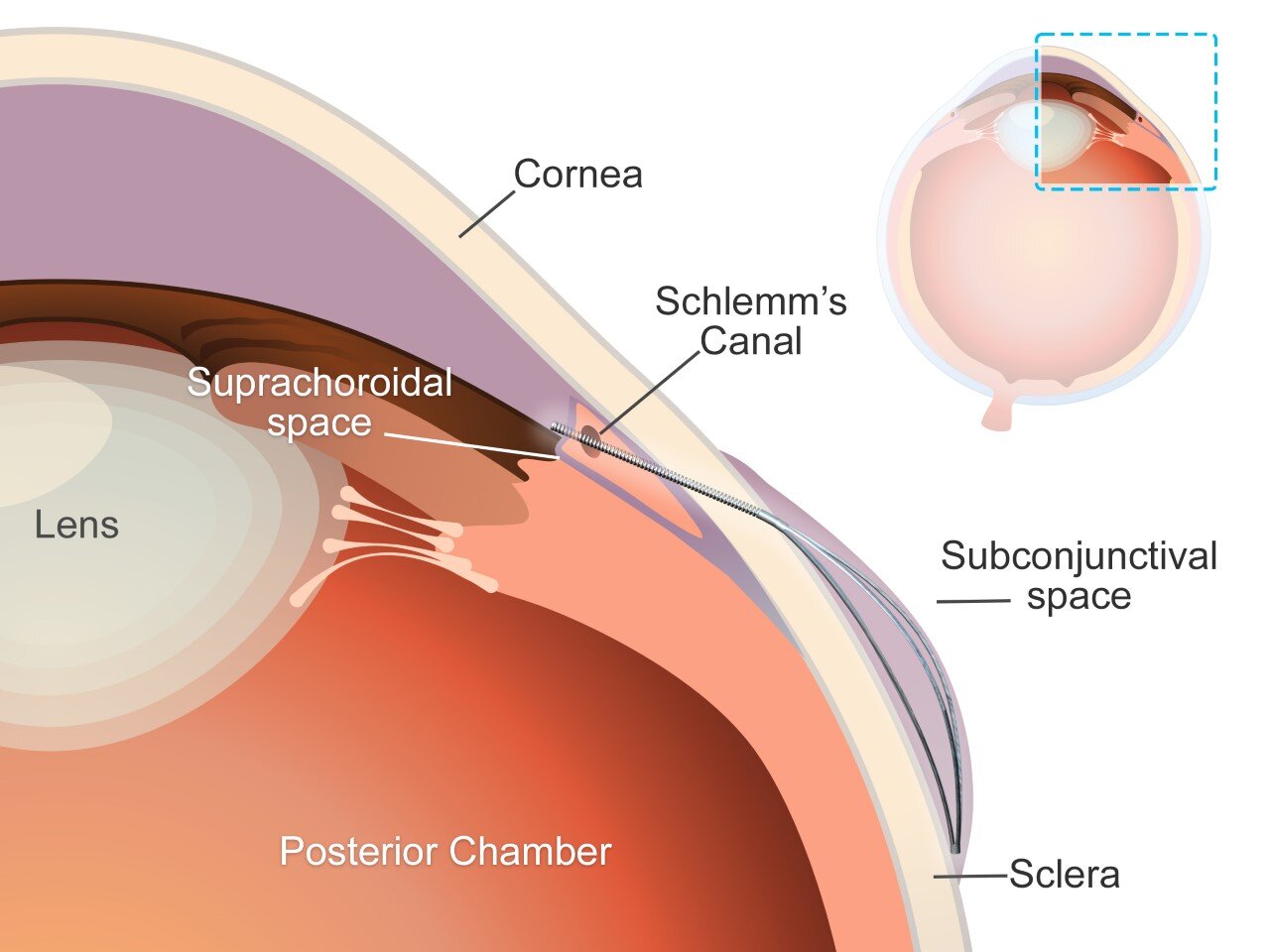
A schematic of the eye’s anterior segment, demonstrating the anatomical placement of the microstent. The stent diverts aqueous humor from the anterior chamber to the suprachoroidalspace through the flexible tube,