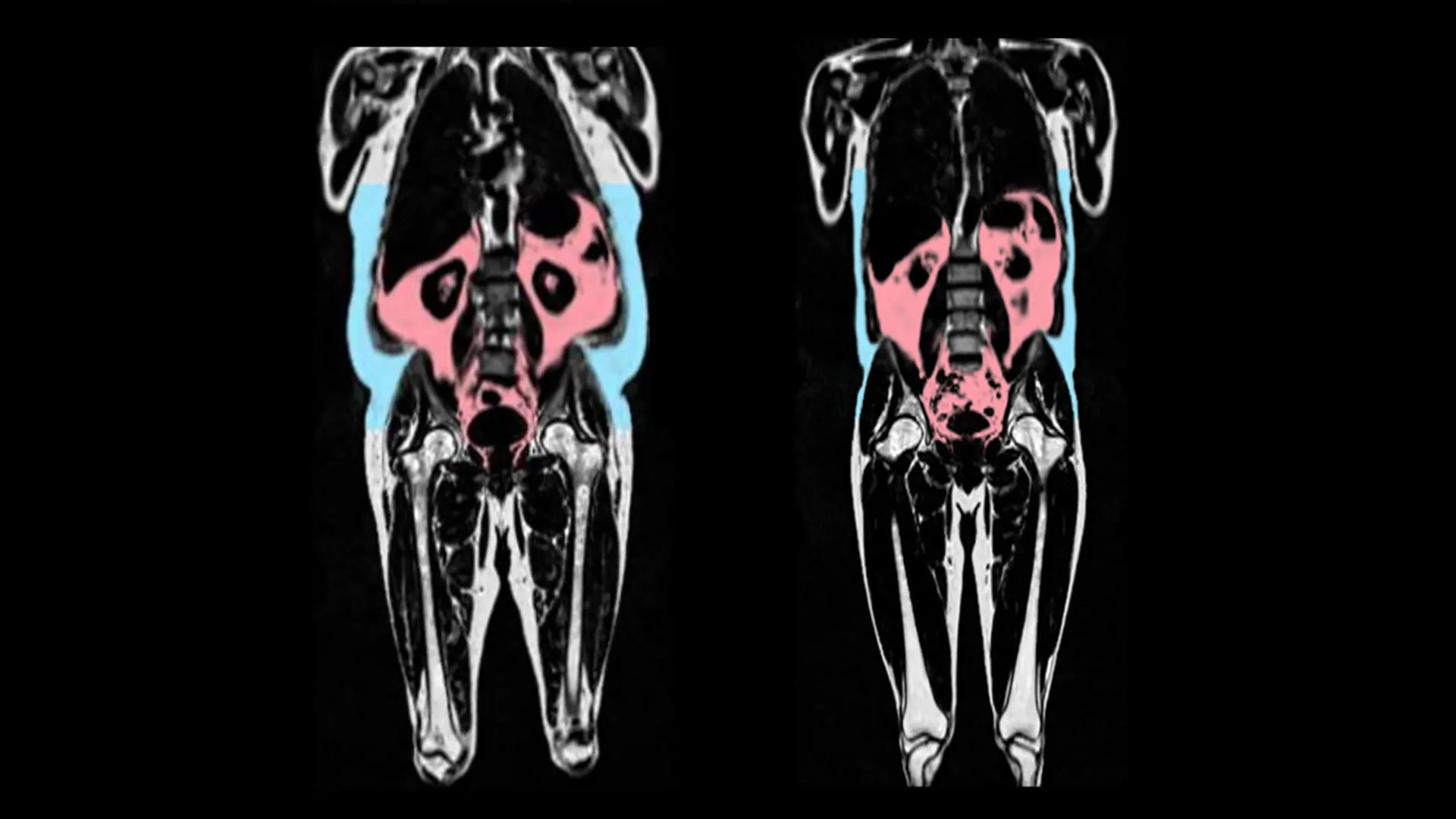
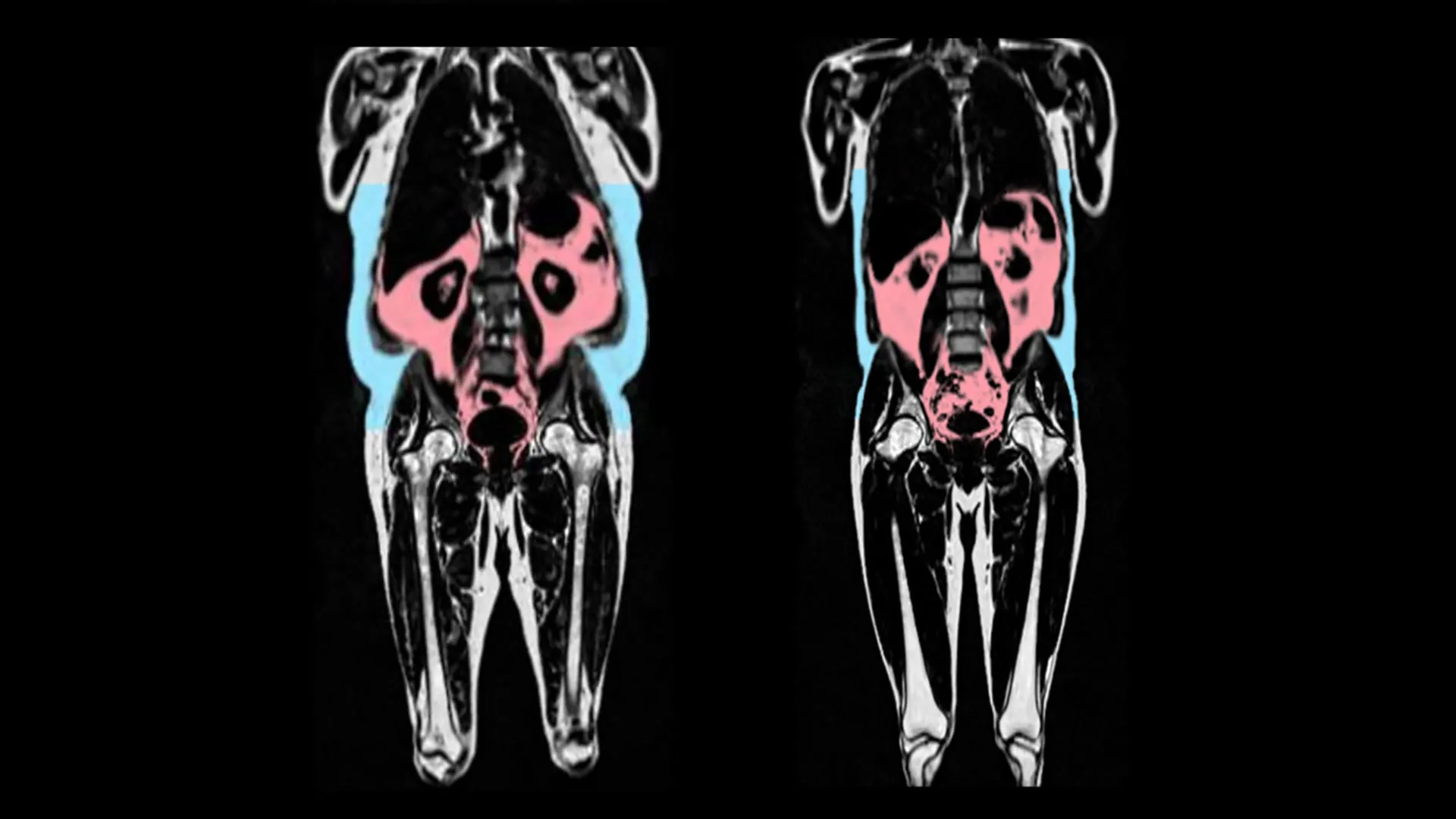
Excessive amounts of visceral fat — the hidden fat surrounding organs — is linked with faster aging of the heart, a new study has found.
Aging is the biggest risk factor for heart disease, but why some people age faster than others isn’t fully understood. The scientists leading the research say that visceral body fat could play an important role in accelerating aging of the heart and blood vessels. This type of fat is known to be harmful to health and this study now links it to faster heart aging.
The study, led by scientists from the Medical Research Council (MRC) Laboratory of Medical Sciences, in London, UK, also found differences between men and women, and discovered that fat around the hips and thighs could potentially slow heart aging in women.
In the study, published in the European Heart Journal, the scientists analyzed data from 21,241 participants in UK Biobank, which includes whole body imaging to map the amount of fat and where it is located in the body.
The UK Biobank data also includes detailed imaging of the heart and blood vessels. Artificial intelligence was used to analyse these images to capture signs of organ aging — such as tissues becoming stiff and inflamed. An individual was given a “heart age” which can be compared to their actual age at the time of the scan.
The researchers found that faster heart aging was linked to having more visceral adipose tissue. Visceral adipose tissue is fat found deep inside the abdomen around organs such as the stomach, intestines, and liver. This type of fat cannot be seen from the outside, and some people can have large amounts of visceral fat despite having a healthy weight.
The researchers found signs on blood tests that visceral fat is linked to increased inflammation in the body – which is a potential cause of premature aging.
They also found differences between the sexes. Male-type fat distribution (fat around the belly, often called ‘apple’ shaped) was particularly predictive of early aging in men.
In contrast, a genetic predisposition to female-type fat (fat on the hips and thighs, often called “pear” shaped) was protective against heart aging in women.
The researchers also found a link between higher oestrogen levels in premenopausal women and a slowing of heart aging, which they suggest could indicate a role for hormones in protecting against heart aging.
Professor Declan O’Regan, who led the research at the MRC Laboratory of Medical Sciences and Imperial College London, and is the British Heart Foundation Professor of Cardiovascular AI, said: “We have known about the apple and pear distinction in body fat, but it hasn’t been clear howit leads to poor health outcomes. Our research shows that “bad” fat, hidden deep around the organs, accelerates aging of the heart. But some types of fat could protect against aging- specifically fat around the hips and thighs in women.”
“We also showed that BMI wasn’t a good way of predicting heart age which underscores the importance of knowing where fat is stored in the body and not just total body weight.”
“The goal of our research is to find ways to increase healthy lifespan. While being active is important, we found that hidden fat could still be harmful even in fit people. In the future we plan to investigate how drug therapies, such as GLP-1 inhibitors (e.g. Ozempic) could improve not just diabetes and obesity, but target the aging effects of hidden visceral fat.”
This study was funded by the Medical Research Council, British Heart Foundation, and the National Institute for Health and Care Research Imperial College Biomedical Research Centre.
Professor Bryan Williams OBE, chief scientific and medical officer at the British Heart Foundation said: “We already know excess visceral fat around the heart and liver can lead to increased blood pressure and high cholesterol, so it is concerning that it could also help to speed up aging of the heart and blood vessels.
“As the pattern of fat distribution typically seen in women’s bodies is linked to oestrogen, that hormone may be key to future therapies developed to tackle heart aging.
“Eating a healthier diet and becoming more active can help to reduce visceral fat levels.”