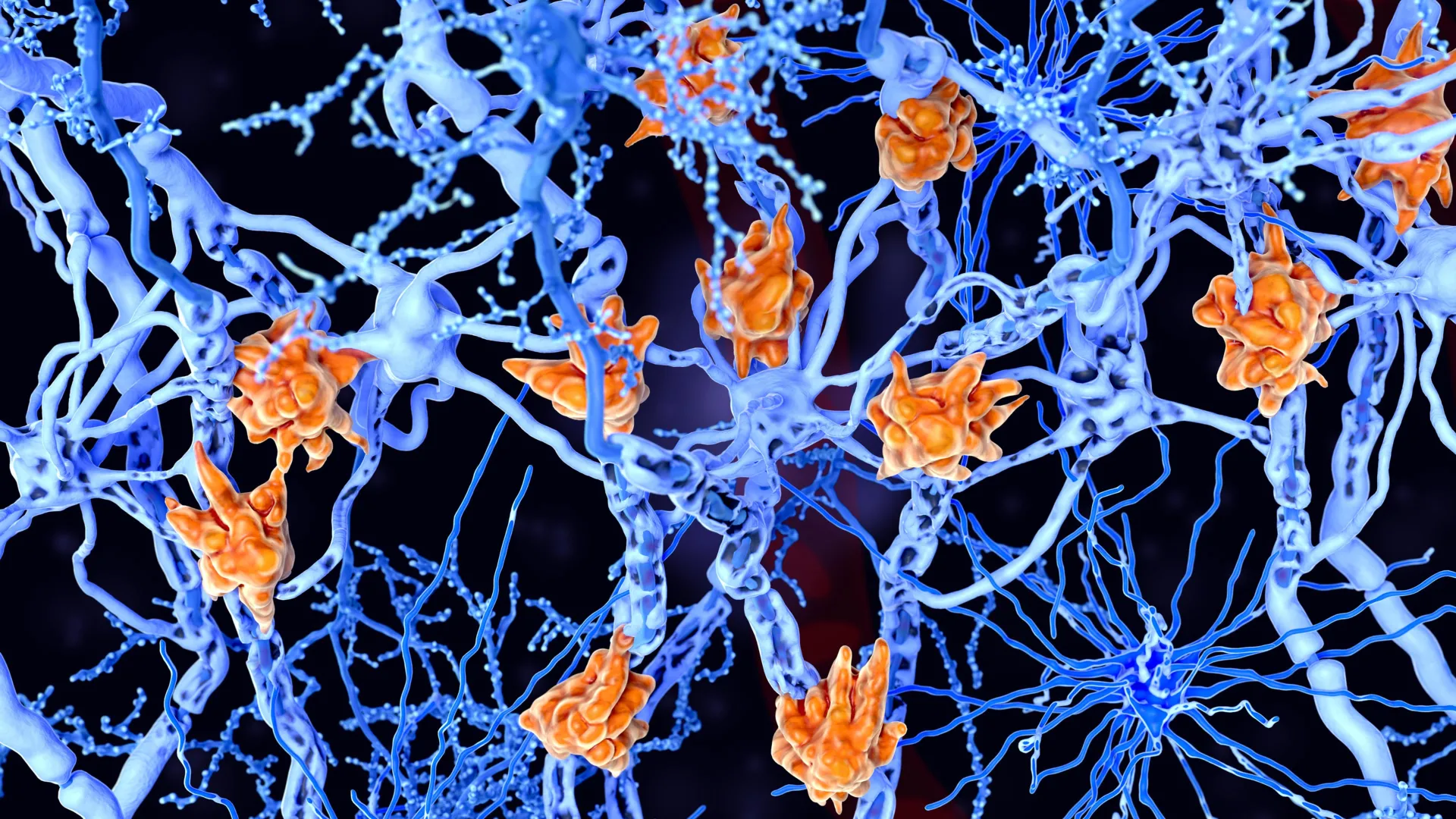
Using advanced diffusion neuroimaging technology, Kessler Foundation researchers investigated the relationship between the rate of cognitive fatigue to microstructural changes in the brain in persons with multiple sclerosis. Their findings help fill a gap in the current understanding of how brain pathology influences the development of fatigue over time.
Their findings were reported in Frontiers in Neurology on July 04, 2022, in the open access article “Associations of White Matter and Basal Ganglia Microstructure to Cognitive Fatigue Rate in Multiple Sclerosis.” The authors are Cristina Almeida Flores Román, PhD, Glenn Wylie, DPhil, John DeLuca, PhD, and Bing Yao, PhD, and of Kessler Foundation.
The study was conducted at the Rocco Ortenzio Neuroimaging Center at Kessler Foundation, which is dedicated solely to rehabilitation research. Participants were 62 individuals with relapsing-remitting MS. All completed questionnaires measuring depression, state and trait anxiety, and trait fatigue. While in the scanner, participants underwent a cognitively fatiguing task. In addition to measuring rate of cognitive fatigue, researchers measured whole brain lesion volume and performance during the fatigue-inducing task.
“We found that the cognitive rate related to white matter tracts, many with associations with the basal ganglia or what we have proposed as the ‘fatigue network’,” said lead author Dr. Román, National MS Society postdoctoral fellow at Kessler Foundation. “These findings bring us closer to understanding how brain pathology impacts the experience in the moment. This is fundamental to developing effective interventions for managing the disabling fatigue of MS and other neurological conditions.”
Funding: Kessler Foundation, National Multiple Sclerosis Society (RG-1701-26930)