
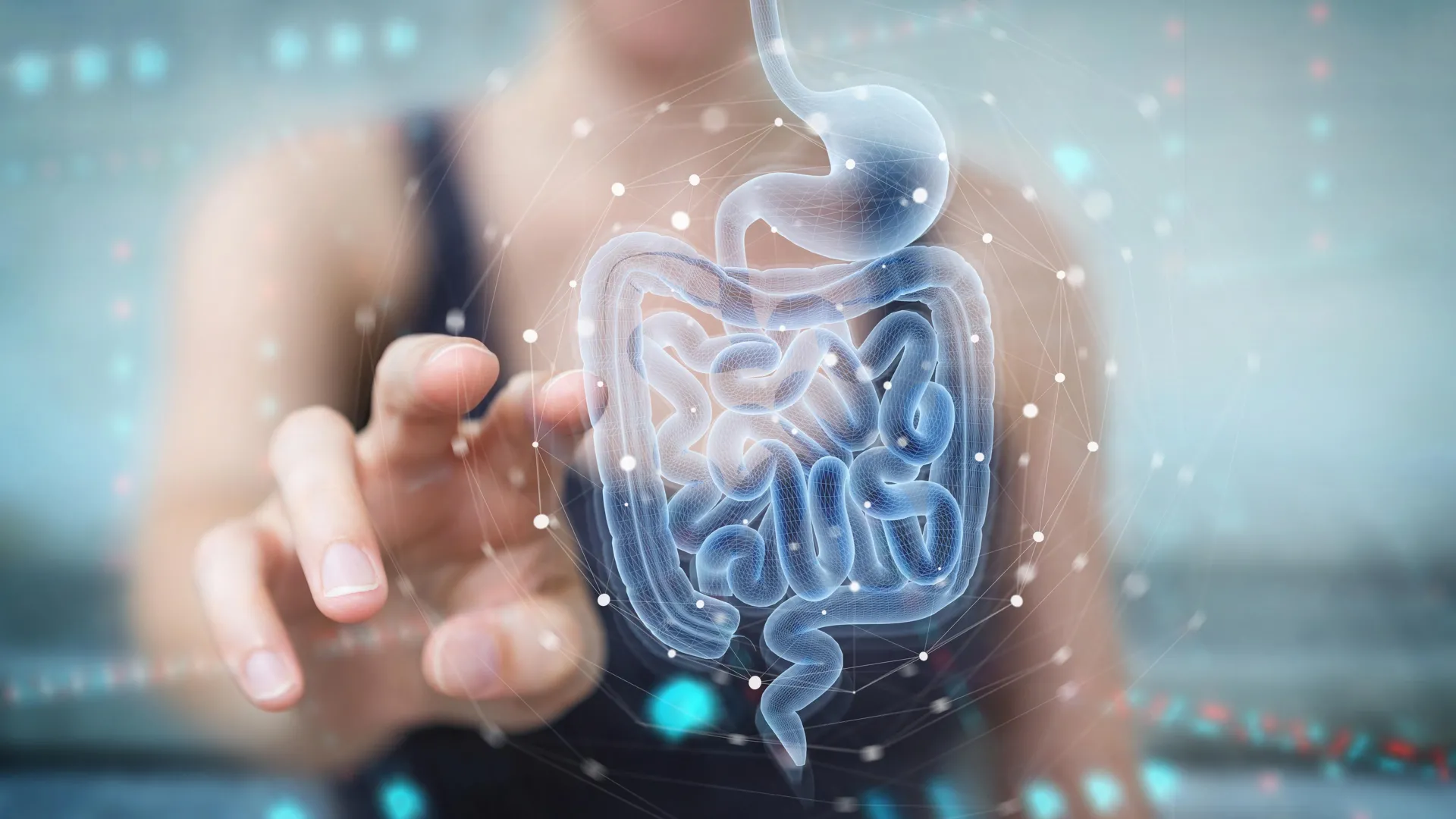
The human gut replaces its cells faster than any other tissue in the body. Every few days, fresh cells are produced by specialized stem cells that keep the intestinal lining healthy. Over time, however, these stem cells begin to accumulate epigenetic changes. These are chemical tags attached to DNA that work like on and off switches, controlling which genes stay active and which are turned down.
A new study published in Nature Aging shows that these changes follow a clear pattern rather than appearing at random. The international research team was led by Prof. Francesco Neri of the University of Turin in Italy. The scientists identified a process they call ACCA (Aging- and Colon Cancer-Associated) drift, a gradual shift in epigenetic markers that becomes stronger as people age. “We observe an epigenetic pattern that becomes increasingly apparent with age,” says Prof. Neri, formerly a group leader at the Leibniz Institute on Aging — Fritz Lipmann Institute in Jena.
Aging Patterns Linked to Cancer Risk
The genes most affected by this drift are those that help maintain normal tissue balance. Many of them are involved in renewing the intestinal lining through the Wnt signaling pathway. When these genes are altered, the gut’s ability to repair itself begins to weaken.
Researchers found that the same drifting pattern appears not only in aging intestinal tissue but also in nearly all colon cancer samples they analyzed. This overlap suggests that aging stem cells may create conditions that make cancer more likely to develop.
A Patchwork of Aging Inside the Gut
One striking finding is that aging does not affect the intestine evenly. The gut is made up of tiny structures called crypts, each formed from a single stem cell. If that stem cell develops epigenetic changes, every cell within the crypt inherits them.
Dr. Anna Krepelova explains how this process unfolds. “Over time, more and more areas with an older epigenetic profile develop in the tissue. Through the natural process of crypt division, these regions continuously enlarge and can continue to grow over many years.”
As a result, the intestines of older adults become a mix of younger and much older crypts. Some regions remain relatively healthy, while others are more likely to produce damaged cells, increasing the chances of cancer growth.
Iron Loss Disrupts DNA Repair
The researchers also uncovered why this epigenetic drift happens. As intestinal cells age, they take in less iron while releasing more of it. This reduces the amount of iron (II) available in the cell nucleus. Iron (II) is essential for the proper function of TET (ten-eleven translocation) enzymes, which normally help remove excess DNA methylations.
When iron levels drop, these enzymes no longer work efficiently. As a result, excess DNA methylations remain in place instead of being broken down.
“When there’s not enough iron in the cells, faulty markings remain on the DNA. And the cells lose their ability to remove these markings,” says Dr. Anna Krepelova. As TET activity declines, DNA methylations build up, key genes are switched off, and they “fall silent.” This chain reaction further speeds up epigenetic drift.
Inflammation Speeds Up the Aging Process
Age-related inflammation in the gut makes the problem worse. The team showed that even mild inflammatory signals can disrupt iron balance inside cells and place additional stress on metabolism. At the same time, Wnt signaling weakens, reducing the ability of stem cells to stay active and healthy.
Together, iron imbalance, inflammation, and reduced Wnt signaling act as an accelerator for epigenetic drift. Because of this, aging in the intestine may begin earlier and progress faster than scientists previously believed.
Can Gut Aging Be Slowed?
Despite the complexity of these processes, the findings offer some hope. In laboratory experiments using organoid cultures, miniature intestinal models grown from stem cells, researchers were able to slow or partly reverse epigenetic drift. They achieved this by restoring iron uptake or by directly boosting Wnt signaling.
Both approaches reactivated TET enzymes and allowed cells to start clearing excess DNA methylations again. “This means that epigenetic aging does not have to be a fixed, final state,” Dr. Anna Krepelova says. “For the first time, we are seeing that it is possible to tweak the parameters of aging that lie deep within the molecular core of the cell.”

