
University of Pittsburgh School of Medicine researchers have developed an early-stage, experimental “living eye drop” that uses naturally occurring eye bacteria to support corneal wound healing. The proof-of-concept study, published in Cell Reports, demonstrates that the harmless eye-dwelling microbe Corynebacterium mastitidis can be genetically modified to secrete an anti-inflammatory therapeutic that promotes healing following corneal injury in a mouse model.
Source link
Scientists engineer 'living eye drop' to support corneal healing
March 5, 2026
0 Comments
Explore More
New eye sensors use special material that generates electricity when it bends
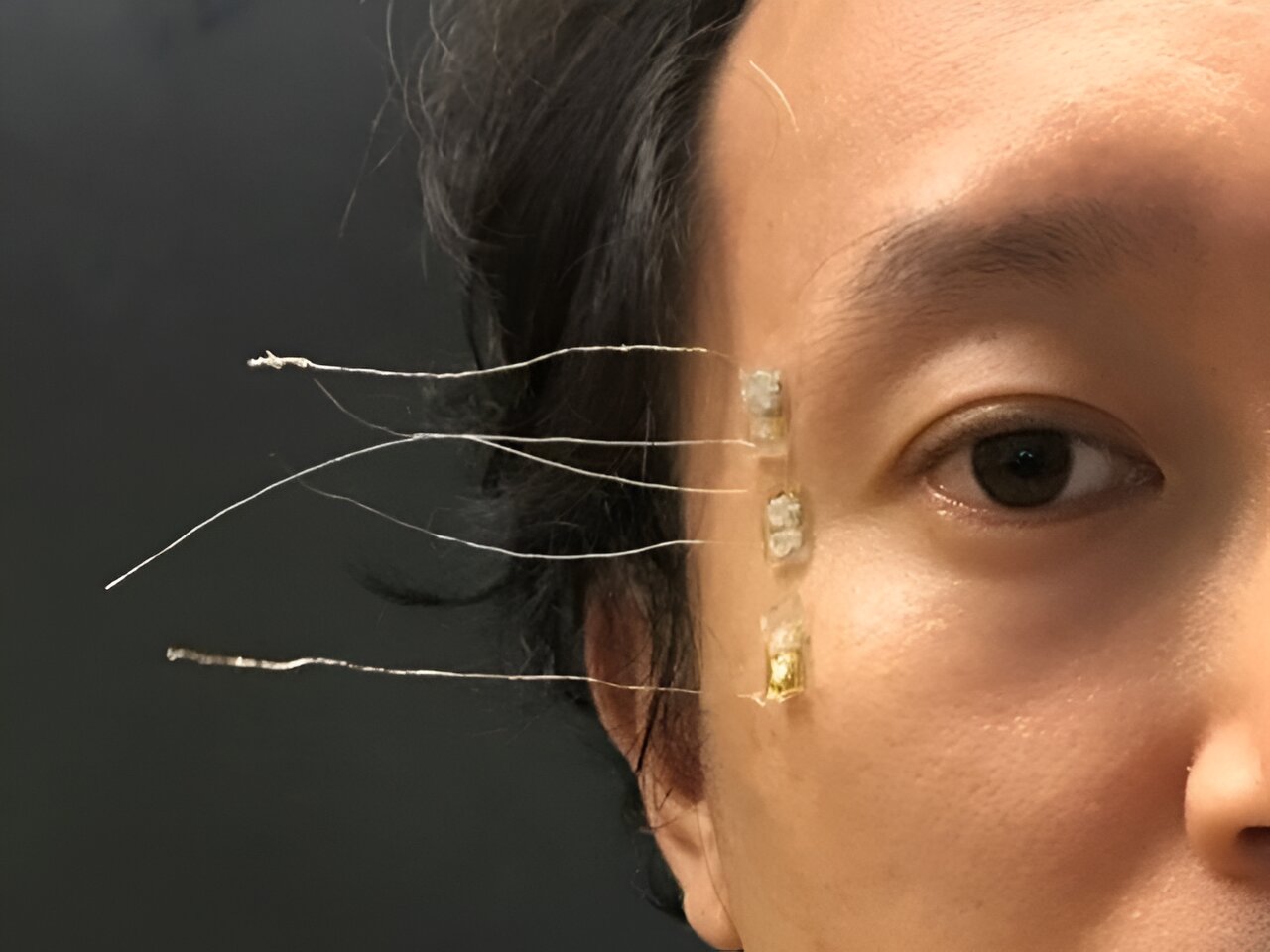
New wearable sensors, developed by UH engineers, examine eye movement to assess brain disorders or damage to the brain. Credit: University of Houston A University of Houston engineering team has
Underlying mechanisms of age-related dysfunction in glands crucial to eye function identified
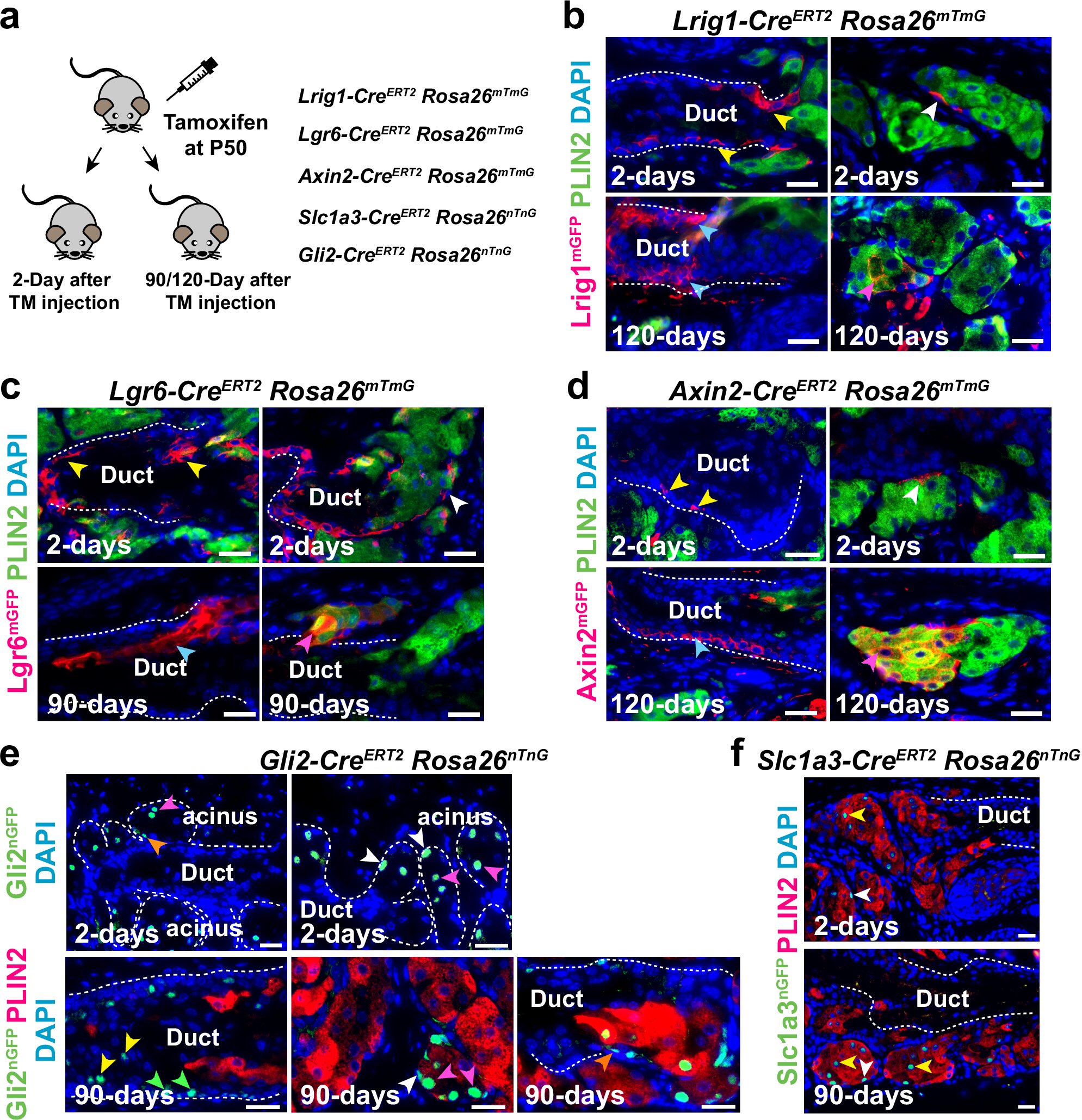
Identification of distinct MG stem cell populations. Credit: Nature Communications (2025). DOI: 10.1038/s41467-025-56907-6 A team led by Mount Sinai researchers has identified stem cell populations and mechanisms underlying age-related degeneration
Pickleball popularity surge serves up spike in serious eye injuries

Credit: Anh Lee from Pexels Rutgers New Jersey Medical School-led researchers have identified a striking rise in pickleball-related eye injuries among players visiting emergency departments across the United States. Using