A team of researchers from Aarhus University has made a remarkable discovery that could improve cancer treatment and the treatment of a number of other illnesses.
The key lies in regulating cholesterol levels, which can help make existing treatments more effective.
“We’ve identified a new mechanism that can regulate a crucial immune pathway in the fight against cancer, and this gives us a deeper understanding of how we can activate the body’s own defence against the disease,” explains Professor Martin Roelsgaard Jakobsen from the Department of Biomedicine and one of the last three authors of the study.
Special focus on an essential protein
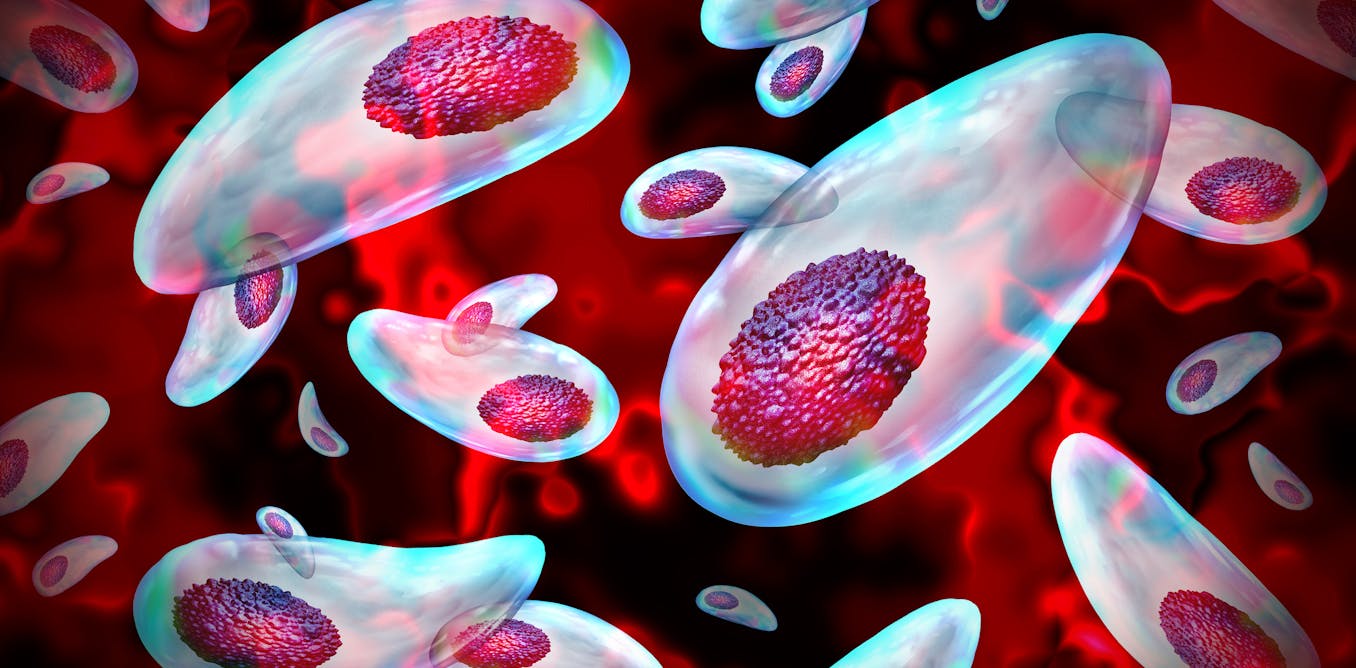
The researchers have focused on the so-called STING protein, an important element of the immune system’s defence against cancer cells.
By manipulating cholesterol levels, the researchers were able to improve the function of the STING protein, thereby opening up new ways of bolstering the body’s natural defences against cancer.
Effective cancer treatment depends on the strength of the patient’s immune system and how well it can be boosted to kill cancer cells.
According to Martin Roelsgaard Jakobsen, cancer treatment requires a combination of treatment strategies that trigger local immune activation in the tumour, attract cytotoxic T cells, and stimulate broader activation of immune cells.
And this is where the new mechanism presents new opportunities.
“The STING protein has already shown promise in cancer treatment, but we haven’t yet discovered how to activate it in a clinical context. Our research provides a new approach to boosting the activity of the STING protein, giving us another way of harnessing the body’s natural defences against cancer,” he explains.
Result of cross-disciplinary collaboration
The study is the result of an interdisciplinary collaboration between researchers at Aarhus University and Aalborg University, including Martin Roelsgaard Jakobsen and Emil Kofod-Olsen, who are specialists in STING signalling and cancer immunology, and Baocun Zhang and Søren Riis Paludan, who have in-depth knowledge of the molecular biology of the STING protein and its role in a number of illnesses.
The combination of different disciplines has been crucial in linking cholesterol levels with immune responses to cancer.
“Our discovery is a direct result of bringing together experts from different fields. The collaboration has created a unique understanding of how we can fight back against cancer more effectively,” says Martin Roelsgaard Jakobsen.
Could pave the way for several drugs
The discovery of how cholesterol affects the STING protein not only opens new doors to cancer treatment. Researchers also expect the mechanism to play a role in the fight against a number of other illnesses.
“Thanks to increased knowledge about both the mechanism of action in the STING protein and how the protein contributes to a number of illnesses, it is now more likely that a number of new drugs against those illnesses can be developed,” says Professor Søren Riis Paludan.
This would include autoimmune diseases and neurodegenerative diseases, in which the immune system also plays a crucial role.