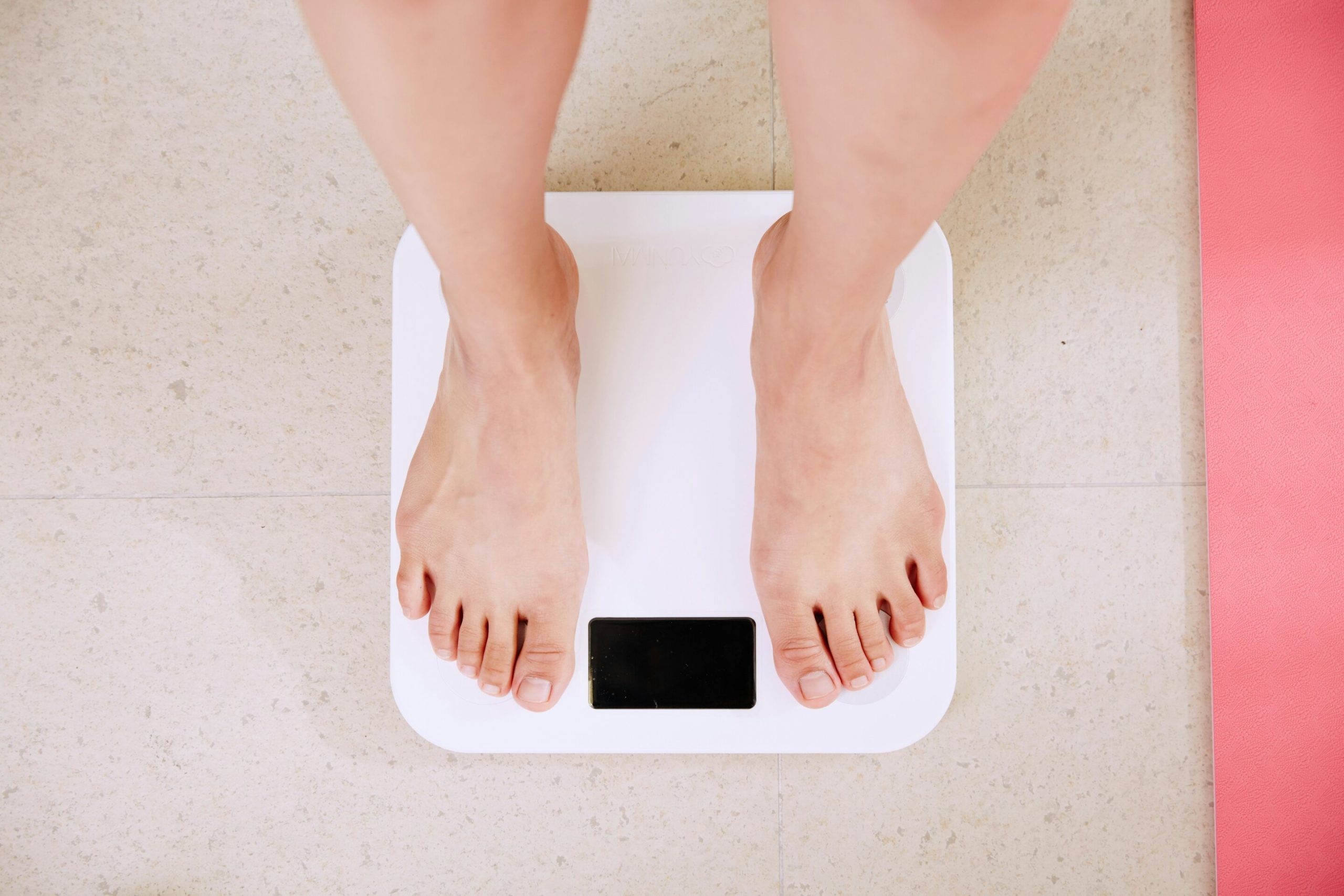
New research from the University of Sydney reveals that obesity, having a knee injury and occupational risks such as shift work and lifting heavy loads are primary causes of knee osteoarthritis.
New research from the University of Sydney reveals that obesity, having a knee injury and occupational risks such as shift work and lifting heavy loads are primary causes of knee osteoarthritis.
The study also found that following a mediterranean diet, drinking green tea and eating dark bread could reduce the risk of developing knee osteoarthritis.
Published in Osteoarthritis and Cartilage, the study was led by Associate Professor Christina Abdel Shaheed and Dr Vicky Duong from the Faculty of Medicine and Health’s Sydney Musculoskeletal Health, a joint initiative between the University of Sydney, Sydney Local Health District and Northern Sydney Local Health District.
Using data from 131 studies conducted between 1988 to 2024, the researchers examined over 150 risk factors in participants ranging from 20 to 80 years old to determine which were associated with an increased risk of developing knee osteoarthritis.
“Knee osteoarthritis is a debilitating condition that affects over 500 million people around the world and is a leading cause of disability. Our research found that while factors such as eating ultra-processed foods and being overweight increase the risk, addressing lifestyle factors — such as losing weight or adopting a better diet — could significantly improve people’s health,” Associate Professor Abdel Shaheed said.
Co-author Professor David Hunter, a researcher at the Kolling Institute and Professor of Medicine at the University of Sydney, said: “Women were twice as likely to develop the condition than men, and older age was only mildly associated with increased risk.”
Reducing the risk of knee osteoarthritis
Dr Duong, lead author and post-doctoral researcher at the Kolling Institute said: “Eliminating obesity and knee injuries combined could potentially reduce the risk of developing knee osteoarthritis by 14 percent across the population.
“We urge governments and the healthcare sector to take this seriously and to implement policy reforms that address occupational risks, subsidise knee injury prevention programs, and promote healthy eating and physical activity to reduce obesity.”