When we accidentally touch something familiar, like a warm pan, our brains already know what feeling to expect and how much it might hurt. But if you were blindfolded and had no idea you were touching a warm pan, you’d feel more intense pain — even if the pan wasn’t warm enough to harm you. A new study from the Department of Clinical Medicine at Aarhus University shows that not knowing what to expect changes how the brain interprets pain, making it hurt worse even when there’s no real danger.
In the study, the researchers designed an experiment where participants predicted whether they would feel a warm or cold sensation on their forearm. But sometimes they would be exposed to both warm and cold stimuli simultaneously, which triggered a sensation of burning pain — a puzzling phenomenon known as the thermal grill illusion — explains Associate Professor Francesca Fardo from Aarhus University.
“Previous research has shown that our expectations shape how we experience pain. In this study, we wanted to find out whether uncertainty in those expectations, or when the brain doesn’t have a clear prediction, could also increase the pain. By taking advantage of the curious case of the thermal grill illusion, we could show that even when nothing harmful is happening, not knowing what to expect somehow makes us feel a fairly high level of pain.”
May change how we manage pain
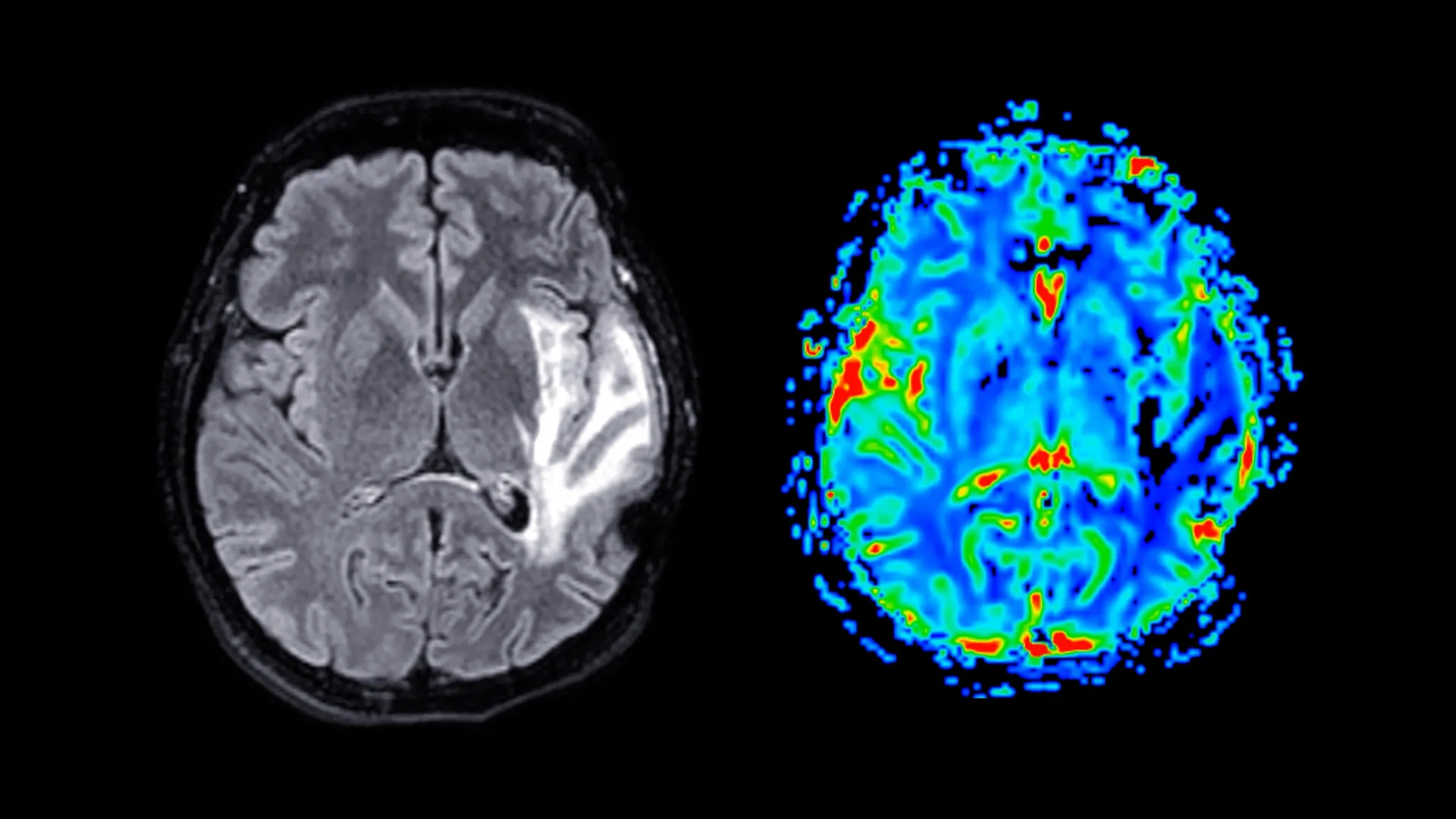
In the study, the researchers combined sophisticated brain imaging with computer modeling in 300 participants. This allowed them to see how the uncertainty responses are linked to specific parts of our brain.
“Our results show that uncertainty, not just expectation, plays an important role in pain. Previous research on placebo and nocebo effects has shown that expecting relief can reduce pain, while expecting harm can make pain worse. Our findings add a new layer: when the brain is unsure about what to expect and encounters ambiguous signals, it errs on the side of caution, intensifying pain beyond what’s necessary,” Francesca Fardo explains.
And that may influence how we treat pain and anxious patients.
“In the short term, these findings might help pain scientists better understand how these processes work, and they may also help to guide health professionals in better tailoring pain management strategies, such as by giving clearer information or setting precise expectations, so patients feel less uncertain about what’s coming,” she says.
Francesca Fardo now aims to repeat the study in people with chronic pain and investigate whether psychological factors such as depression and anxiety also play a role in how we perceive pain.