
The human eye functions like an exceptionally precise, high-end camera, one with a resolution of around 576 megapixels. What makes it intriguing is that although our eyes can focus on light at only one wavelength at a time, the result isn’t fragmented or blurry. What we see feels seamlessly sharp and rich in details. This raises the question of which color it chooses to focus on when the scene we are looking at has multiple colors. A recent study published in Science Advances presents a mechanism that guides the choice.
Source link
New study finds eye focuses using color signals, not just sharpness
April 7, 2026
0 Comments
Explore More
Genetic therapy gives infants life-changing improvements in sight

Credit: CC0 Public Domain Four young children have gained life-changing improvements in sight following treatment with a pioneering new genetic medicine through UCL Institute of Ophthalmology and Moorfields Eye Hospital,
Retinal implant restores central vision in patients with advanced AMD, study shows

José-Alain Sahel, M.D., holding the PRIMA implant. Credit: UPMC A wireless retinal implant can restore central vision in patients with advanced age-related macular degeneration (AMD), according to clinical trial results
Nerve cells in the eye work together to recognize contrast and movements
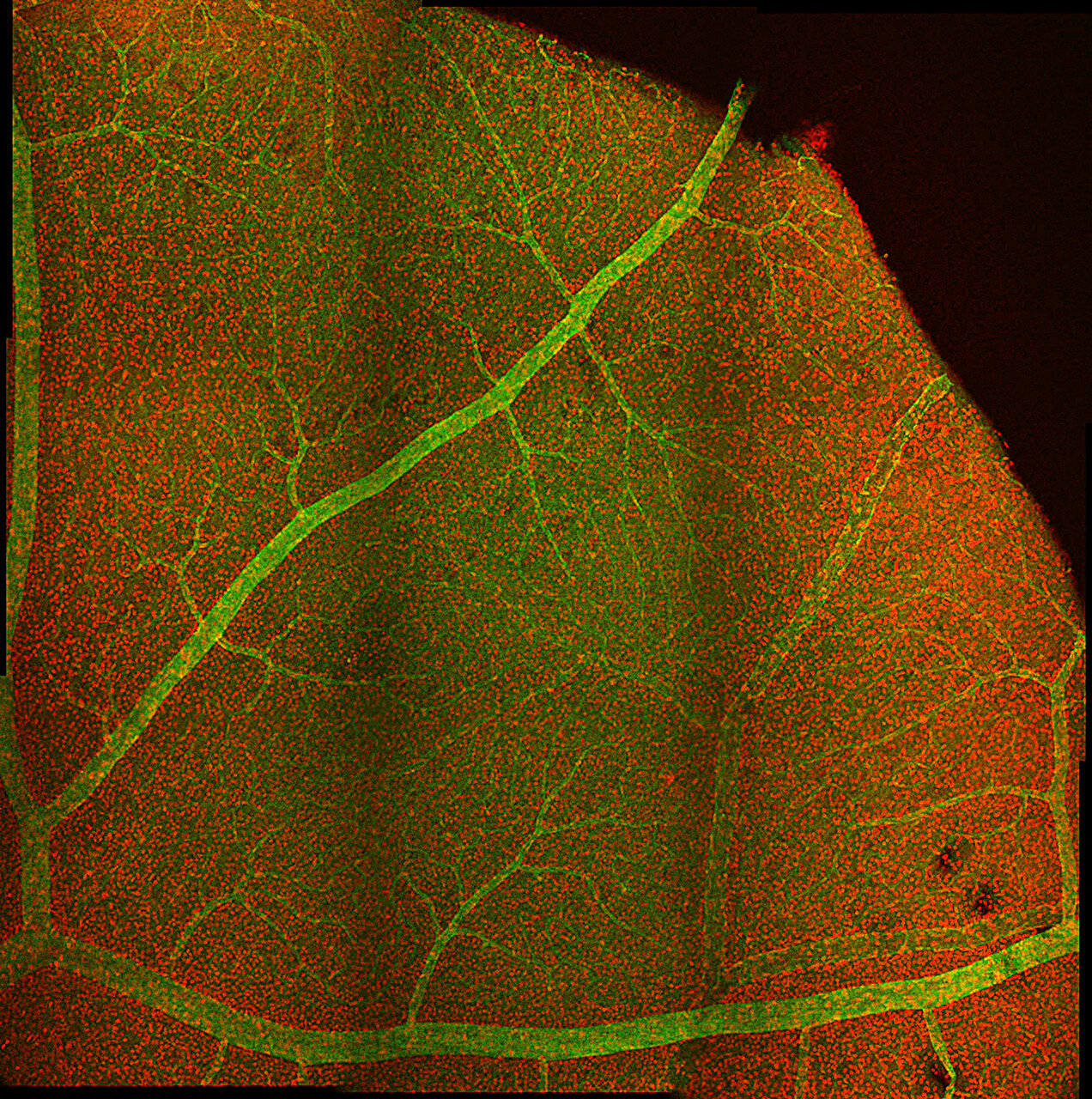
Microscopy image with nerve cells (red) and blood vessels (green) in a retinal preparation. Credit: Helene Schreyer and Mohammad Khani The processing of optical information in the retina of the