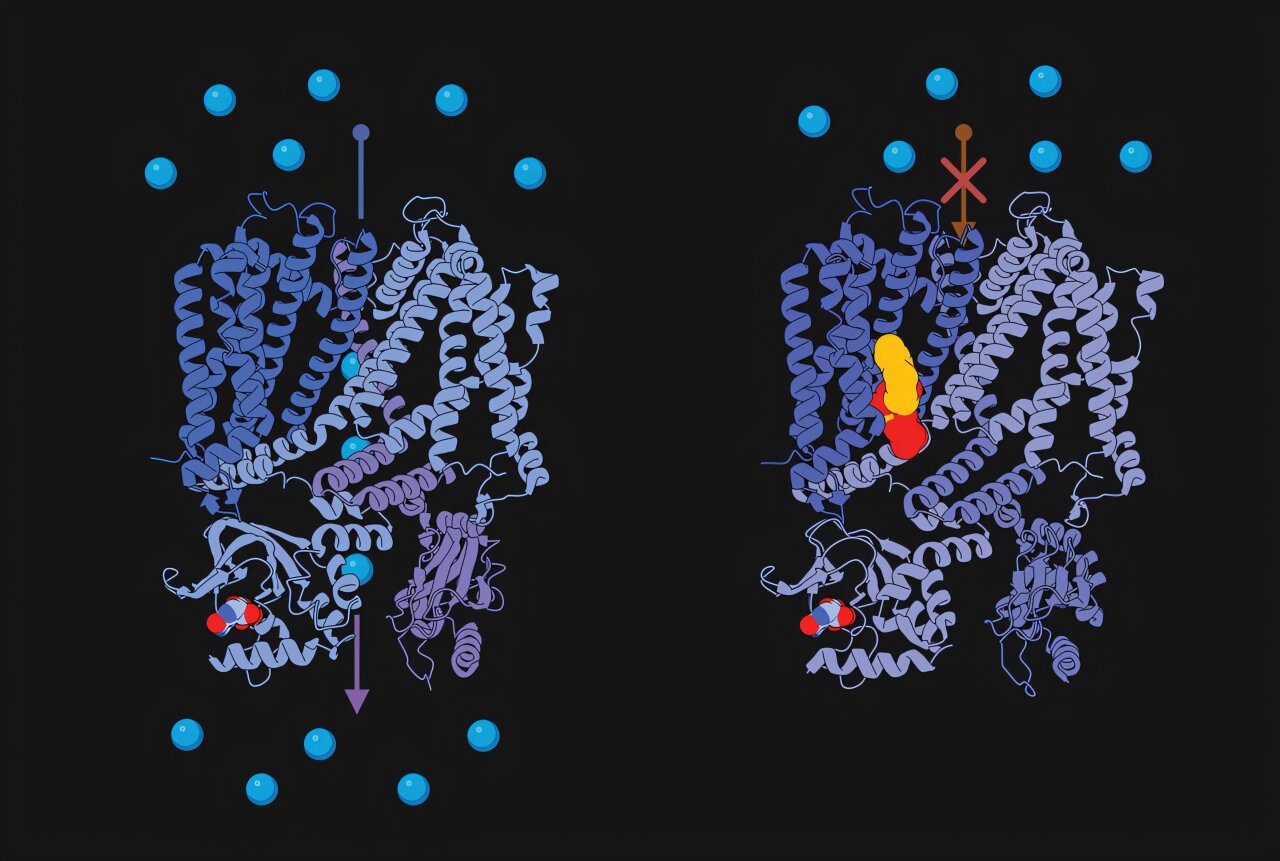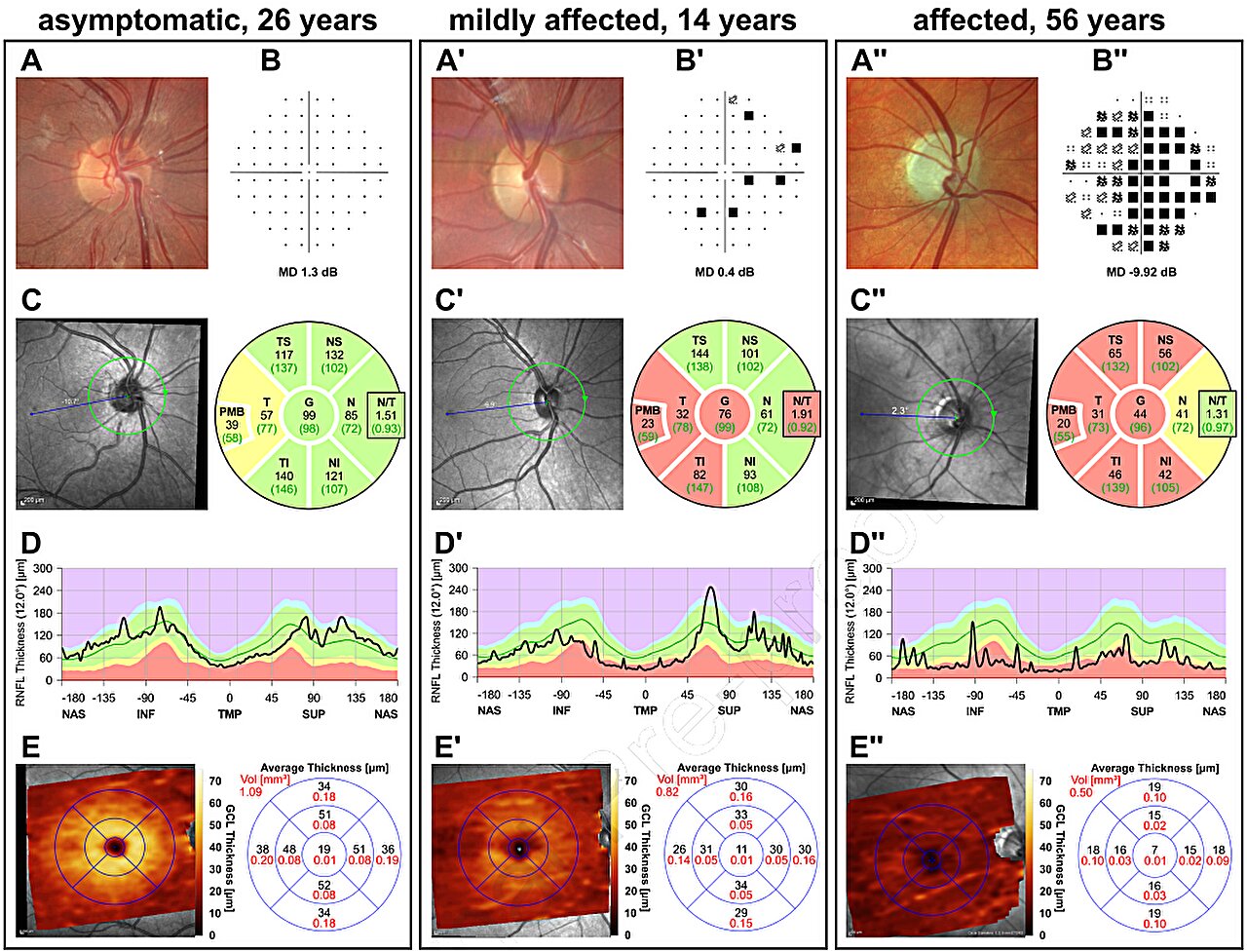

A research team from the Medical University of Vienna and the Medical University of Graz has discovered a previously unknown genetic cause of hereditary optic atrophy, a degenerative disease of the optic nerve associated with gradual loss of vision.
The results, published in the journal Genetics in Medicine, open up new possibilities for the genetic diagnosis of this disease and provide important approaches for future research into the underlying disease mechanisms.
The starting point for the research was the genetic examination of a large Austrian family in which seven individuals across three generations suffered from optic atrophy. Genome-wide sequencing revealed a previously undescribed variant in the PPIB gene (peptidylprolyl isomerase B). This gene contains the blueprint for an enzyme that helps proteins in the body to adopt their correct structure and breaks down proteins with faulty structures.
In cultured cells from affected individuals, the research team showed that this gene variant impairs the function of mitochondria—the “power plants” of cells. Impaired mitochondrial function is detectable in most known forms of hereditary optic atrophy. By analyzing archived genome data, a total of 12 additional affected individuals carrying the same genetic mutation were identified in eight other families.
“We have thus succeeded in describing the PPIB gene as a new optic atrophy gene,” says study leader Wolfgang M. Schmidt from the Center for Anatomy and Cell Biology at MedUni Vienna.
“The identification of this genetic variant creates the possibility of a genetic diagnosis, which has been lacking in many cases,” adds co-study leader Thomas P. Georgi from the Department of Ophthalmology at Med Uni Graz. This is important in order to be able to provide targeted advice to affected families and tailor medical care to the individual needs of those affected.
60% of those affected without a genetic diagnosis
Optic atrophy is a degenerative disease of the optic nerve that leads to gradual damage to the retinal ganglion cells—the nerve cells that transmit visual signals from the retina to the brain. The first symptoms are usually reduced visual acuity, impaired color perception or central visual field defects. The disease can be inherited; about 20 forms of optic atrophy are currently known. Most variants involve a disturbance of mitochondrial function. Despite advances in genetic diagnostics, the exact genetic cause remains unclear in around 60% of those affected.
This study—a collaboration between the Center for Anatomy and Cell Biology at MedUni Vienna, the Department of Ophthalmology and Optometry at MedUni Vienna, the Center for Cancer Research at MedUni Vienna and the University Eye Clinic at MedUni Graz—has now filled this gap with regard to the PPIB gene. Future studies will clarify how exactly the PPIB variant influences cell metabolism and whether further genetic changes in this gene are associated with optic atrophy.
More information:
Katharina Valentin et al, A recurrent missense variant in the PPIB gene encoding peptidylprolyl isomerase B underlies adult-onset autosomal dominant optic atrophy, Genetics in Medicine (2025). DOI: 10.1016/j.gim.2025.101595
Citation:
New genetic variant linked to hereditary optic atrophy and vision loss (2025, October 16)
retrieved 16 October 2025
from https://medicalxpress.com/news/2025-10-genetic-variant-linked-hereditary-optic.html
This document is subject to copyright. Apart from any fair dealing for the purpose of private study or research, no
part may be reproduced without the written permission. The content is provided for information purposes only.