
Groundbreaking research from the University of Houston shows that a single low-dose atropine eye drop can produce daylong effects in managing myopia, or nearsightedness, which affects roughly one-third of U.S. adults. Professor of Optometry Lisa Ostrin and postdoctoral researcher Barsha Lal are reporting that even one drop in the eye of low-dose atropine (0.01%–0.1%) produces clear changes in pupil size and focusing ability that persist for at least 24 hours. Importantly, they also found that the drop shows no short-term structural effects on the eye, with only temporary changes in blood flow inside the retina.
Source link
Low-dose eye drops can manage adult myopia for 24 hours
May 5, 2026
0 Comments
Explore More
AI tool shown to reduce eye care disparities for African American adults with diabetes
In a study exploring how an AI-assisted diagnostic tool shaped care for underserved populations at multiple community-based primary care sites, investigators at the Wilmer Eye Institute, Johns Hopkins Medicine, found
Rare variant reveals new hereditary retinal disease that can first impair night vision
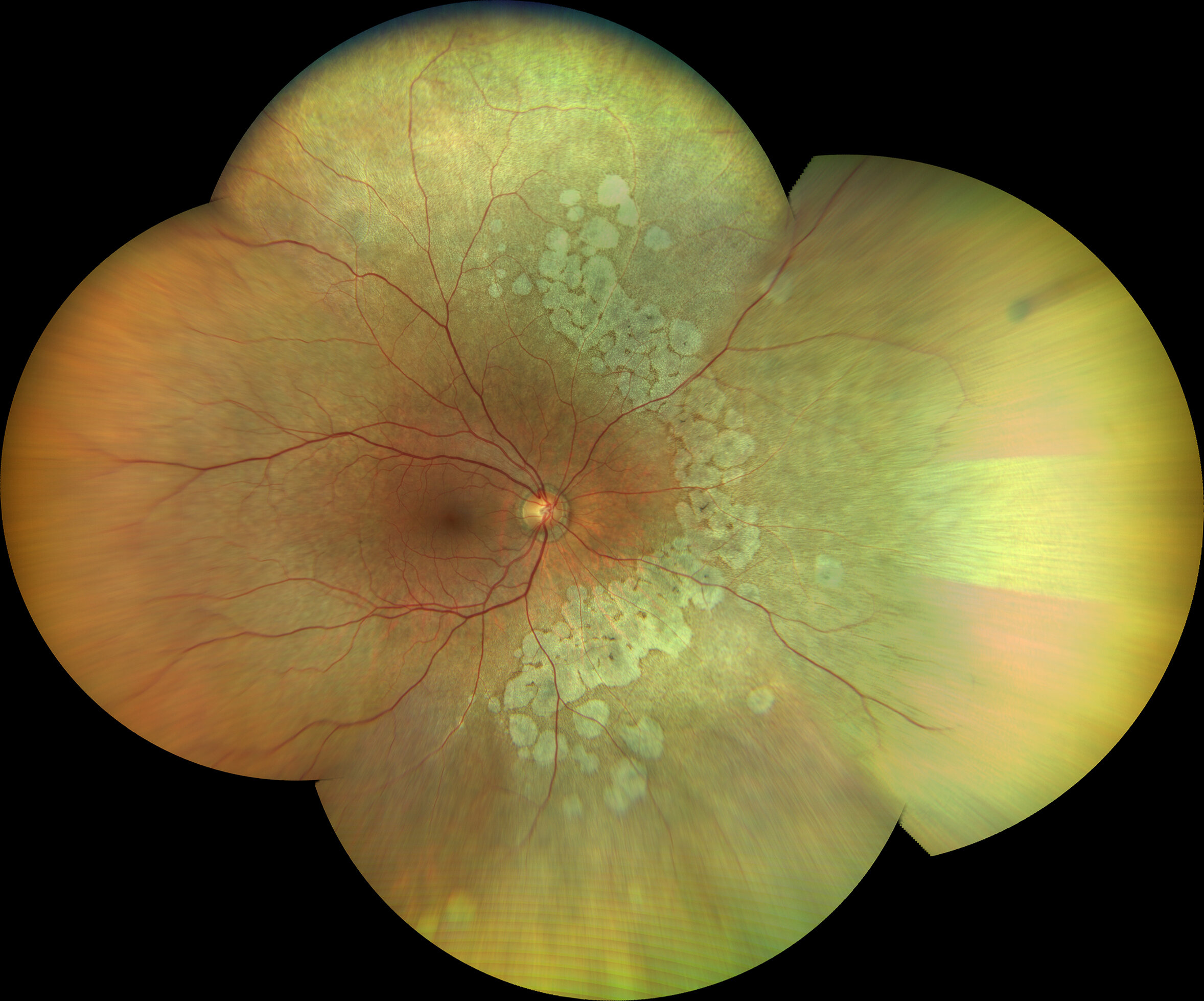
The Color fundus photograph shows the retina of a patient carrying the EFEMP1 p.Arg140Trp variant. The areas on the right correspond to regions of outer retinal degeneration. In contrast, the
Diet rich in omega-3 fatty acids may help ward off shortsightedness in children

Credit: Unsplash/CC0 Public Domain A diet rich in omega-3 fatty acids, found predominantly in fish oils, may help ward off the development of shortsightedness (myopia) in children, while a high