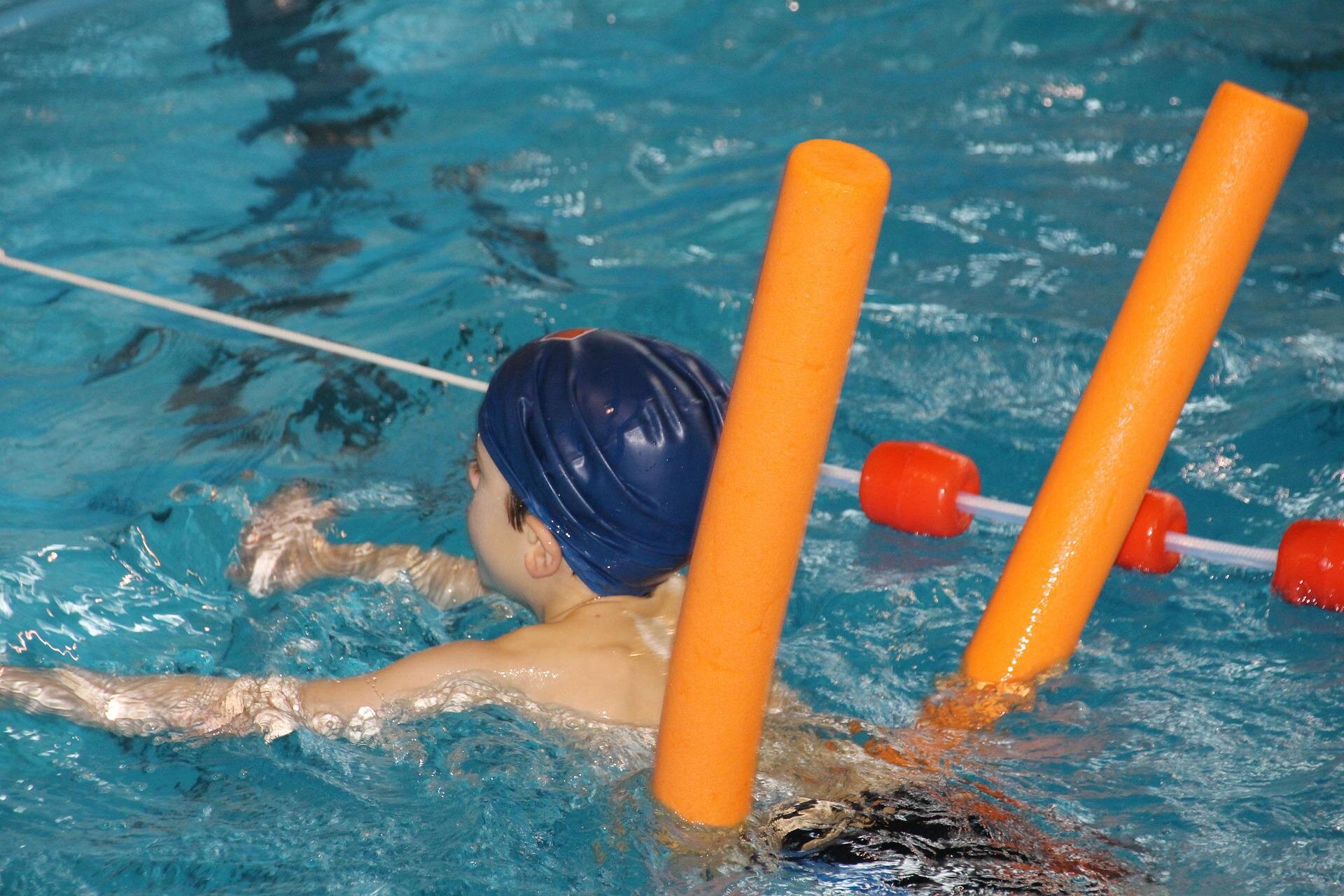
Nearly three out of four kids in Chicago had no swimming lessons in the summer of 2022, with significant racial and ethnic differences, according to a parent survey from Ann & Robert H. Lurie Children’s Hospital of Chicago published in Pediatrics. Black and Hispanic/Latine kids were disproportionately affected (85% and 82%, respectively), compared to white kids (64%).
The most common reasons for not getting swimming lessons also differed among racial and ethnic groups. Parents of white kids reported they already knew how to swim, however Black and Hispanic/Latine parents reported being not comfortable with swimming themselves as a reason their kids did not take swimming lessons. All groups cited cost as a barrier to swimming lessons.
Racial and ethnic differences in learning to swim have been documented among adults. According to the report from the Centers for Disease Control and Prevention (CDC) released in May 2024, two out of three Black adults (63%) and three out of four Hispanic/Latine adults (72%) never had a swimming lesson, compared to less than half of white adults (48%). The CDC report stresses the importance of accessible basic swimming and water safety skills training, a proven and effective way to prevent drowning.
Tragically, 40 people drowned in Lake Michigan this summer, including adults and children.
“It is important to recognize that over the pandemic, a group of kids missed out on learning to swim, which typically occurs when kids are pre-school and early elementary school age,” said lead author Michelle Macy, MD, MS, Director of Smith Child Health Outcomes, Research and Evaluation Center at Stanley Manne Children’s Research Institute at Lurie Children’s, and Professor of Pediatrics (Emergency Medicine) at Northwestern University Feinberg School of Medicine.
“We need new approaches to fill this gap, such as targeted outreach and expanded programming that offers beginning swimming lessons to older elementary and middle school age kids, so they don’t feel out of place having to take lessons with little kids.”
Dr. Macy and colleagues analyzed data from 1,042 parents with children 3 years of age or older across all 77 Chicago neighborhoods. Data were collected in October and November 2022 through the Voices of Child Health in Chicago Parent Panel Survey.
“We were particularly disheartened by the stark differences in the swimming skills of Black, Hispanic/Latine and white parents, which we know is the result of a long history of racial and economic segregation. We need to acknowledge the unique challenges minority communities face and work in a multidisciplinary way to address those challenges,” said study co-author Sadiqa Kendi, MD, MPH, Chief Medical Officer of Safe Kids Worldwide and Associate Division Chief of Academic Affairs and Research at Children’s National Hospital.
In another approach to help prevent drownings, at the start of the summer, Lurie Children’s digital health program launched a MyChart Water Safety Care Plan in partnership with Goldfish Swim Schools Chicago. Families of children from infancy to 18 years of age with a Lurie Children’s MyChart account and a Lurie Children’s primary care provider are automatically enrolled to receive seasonal, age-appropriate water safety messages with links to additional resources.
“Our goal is to teach families how to stay safe around water at home, at the pool and in nature,” said Dr. Macy. “Water safety education and swimming lessons are critical to prevent more drownings and are especially important with Lake Michigan in Chicago’s backyard.”
More information:
Pediatrics (2024)
Citation:
Kids missed out on learning to swim during pandemic, widening racial and ethnic disparities (2024, October 4)
retrieved 5 October 2024
from https://medicalxpress.com/news/2024-10-kids-pandemic-widening-racial-ethnic.html
This document is subject to copyright. Apart from any fair dealing for the purpose of private study or research, no
part may be reproduced without the written permission. The content is provided for information purposes only.