
Pain, tingling and cramps in your legs and feet may be giving you a warning.
They could be signs of poor blood circulation, which can lead to serious heart and health problems if left untreated, according to a doctor at Baylor College of Medicine in Houston.
“Blood delivers oxygen and other important nutrients to the rest of the body and then carries away waste, so anything that gets in the way of the flow of blood will impact this function,” said Dr. Veenadhari Wang, an assistant professor of family and community medicine.
Because the body tries to make sure blood flow to vital organs is not affected, symptoms of poor circulation are usually first noted in the extremities, she added.
Left unchecked, circulation issues can affect vital organs like the heart and liver.
But early signs of trouble may be hard to spot.
They include burning pain in the forefoot or toes when a person is sedentary or pain in calves, thighs or buttocks after walking that eases after a rest period. Skin that discolors and wounds that are slow to heal are other warning signs.
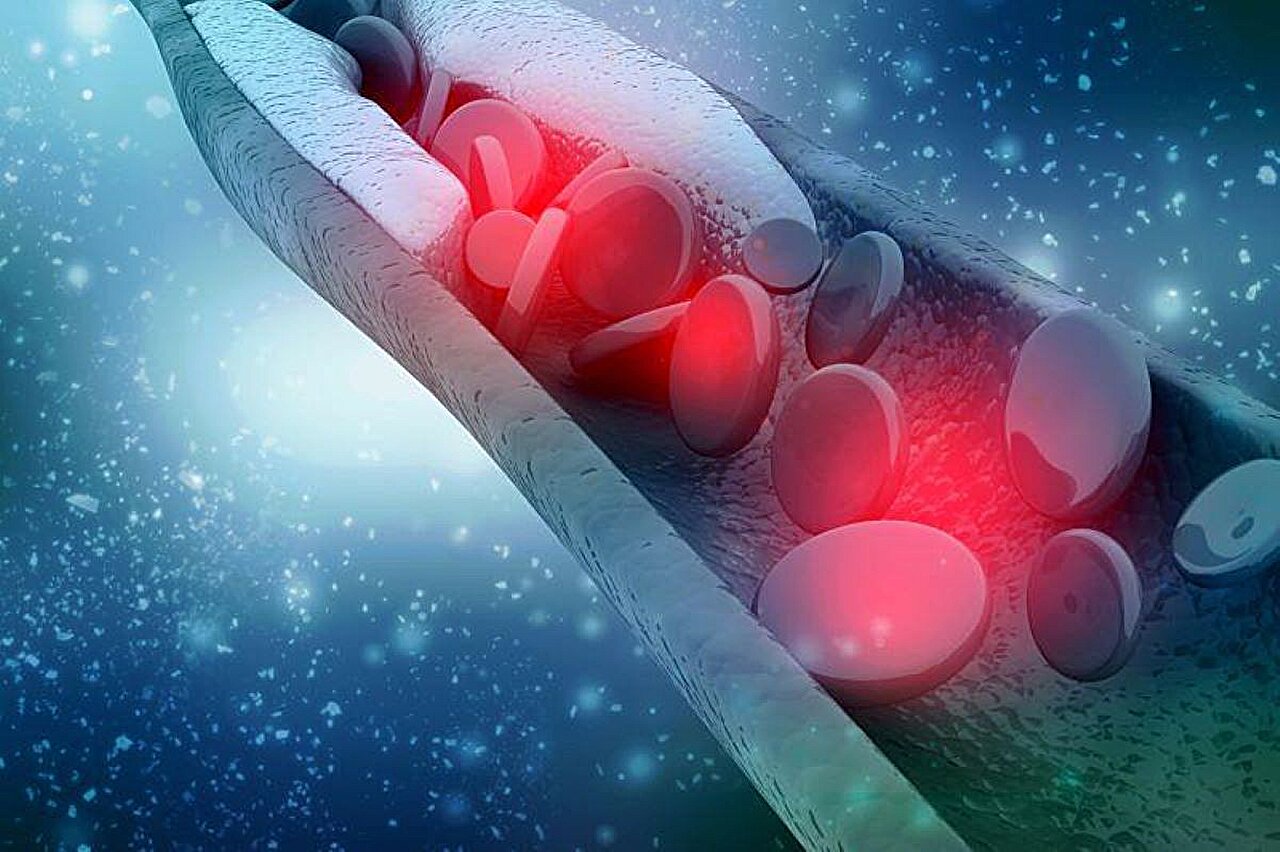
Poor circulation may have several causes. One is a buildup of fat and cholesterol in blood vessel walls called atherosclerosis. It’s common among people who smoke and those with diabetes.
High blood pressure, inflammation and blood clots can also hamper blood flow.
Genetic factors may also come into play. The risk of poor blood circulation is higher for people with a family history of atherosclerosis, diabetes or high blood pressure.
Older adults, men and Black people are also more likely to be affected.
“The best way to treat poor circulation is to prevent it in the first place by reducing risk factors like smoking, while maintaining plenty of physical activity to keep your heart and blood vessels at their healthiest,” Wang said in a Baylor news release.
Lifestyle changes that may help prevent circulation problems include losing weight and exercising regularly, giving up tobacco and taking cholesterol medicine like statins if prescribed.
When symptoms persist after such steps, doctors may recommend balloon angioplasty to open a narrowed blood vessel or a bypass to direct blood flow around a blockage.
Copyright © 2024 HealthDay. All rights reserved.
Citation:
Poor blood circulation: How to prevent it, how to spot it (2024, October 7)
retrieved 7 October 2024
from https://medicalxpress.com/news/2024-10-poor-blood-circulation.html
This document is subject to copyright. Apart from any fair dealing for the purpose of private study or research, no
part may be reproduced without the written permission. The content is provided for information purposes only.