
Researchers at the University of Geneva, together with colleagues in Switzerland, France, the United States and Israel, describe how optogenetic control of brain cells and circuits is already steering both indirect neuromodulatory therapies and first-in-human retinal interventions for blindness, while sketching the practical and ethical conditions needed for wider clinical use.
Source link
From mind-controlling tech to clinical therapy: An optogenetics roadmap
January 12, 2026
0 Comments
Explore More
Fixing problems in cholesterol metabolism could stave off a leading cause of blindness
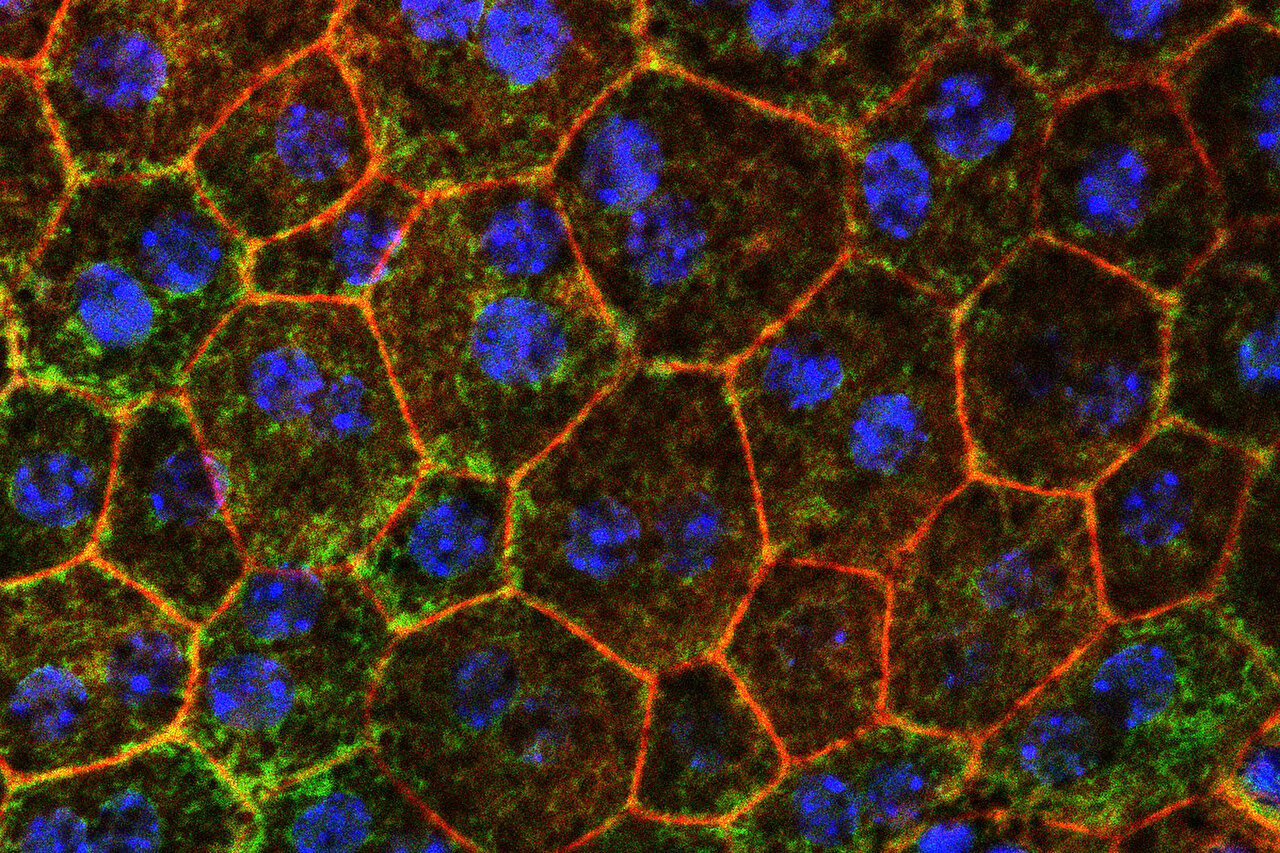
Fixing problems with cholesterol metabolism might help slow or prevent a common cause of age-related vision loss, a new WashU Medicine study in mice has shown. Pictured are color-stained retinal
Light impacts how the brain perceives and remembers threats, study suggests
Northwestern Medicine scientists have discovered that light plays a key role in how animals perceive environmental threats, findings that have the potential to improve the understanding of risk avoidance behaviors
Stem cell transplant clears clinical safety hurdle for treatment of wet age-related macular degeneration
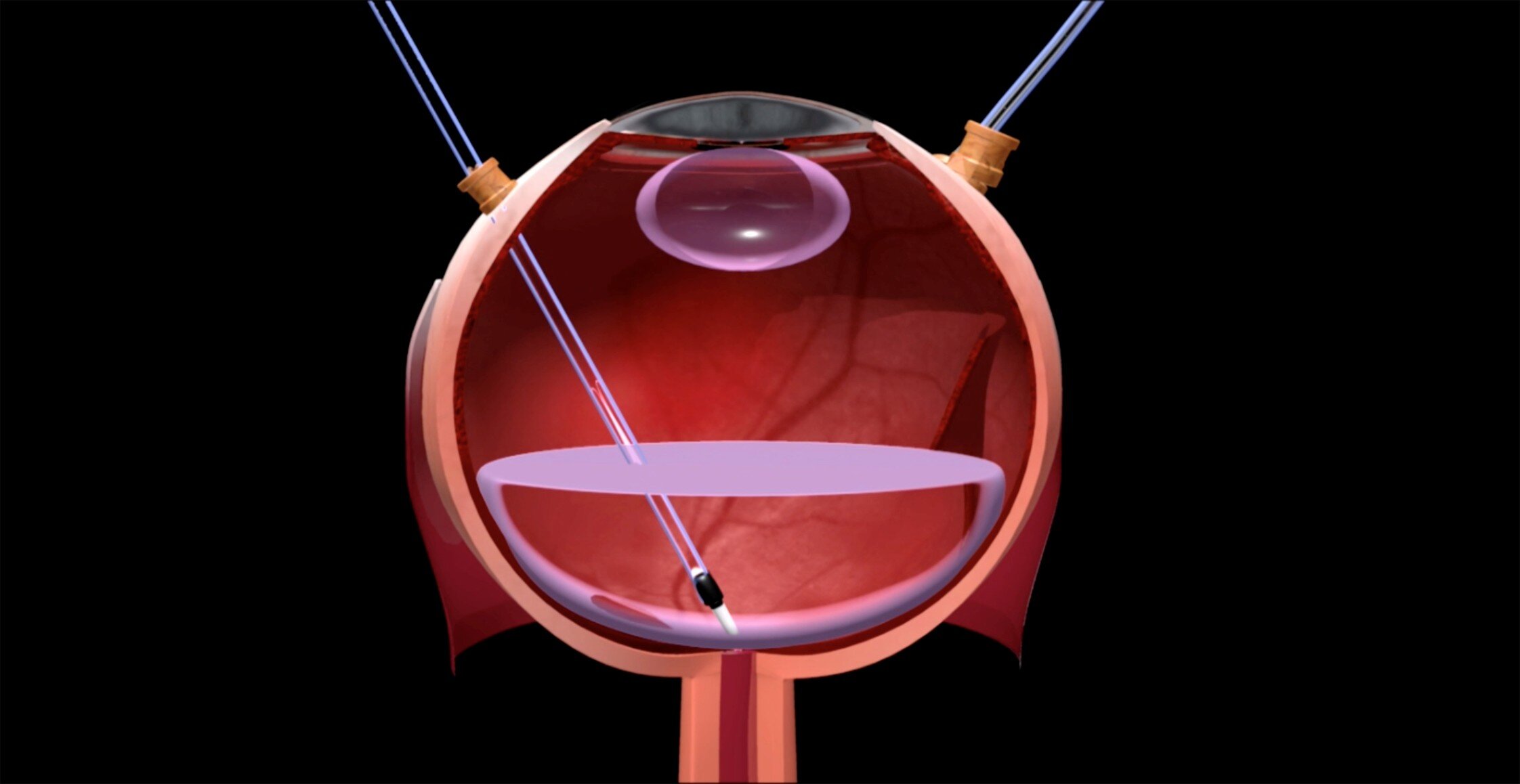
The vitreous cavity was filled with perfluoro decalin to reattach the retina. Credit: Southwest Hospital/Southwest Eye Hospital, Third Military Medical University (Army Medical University), Chongqing, China, Yong Liu Age-related macular