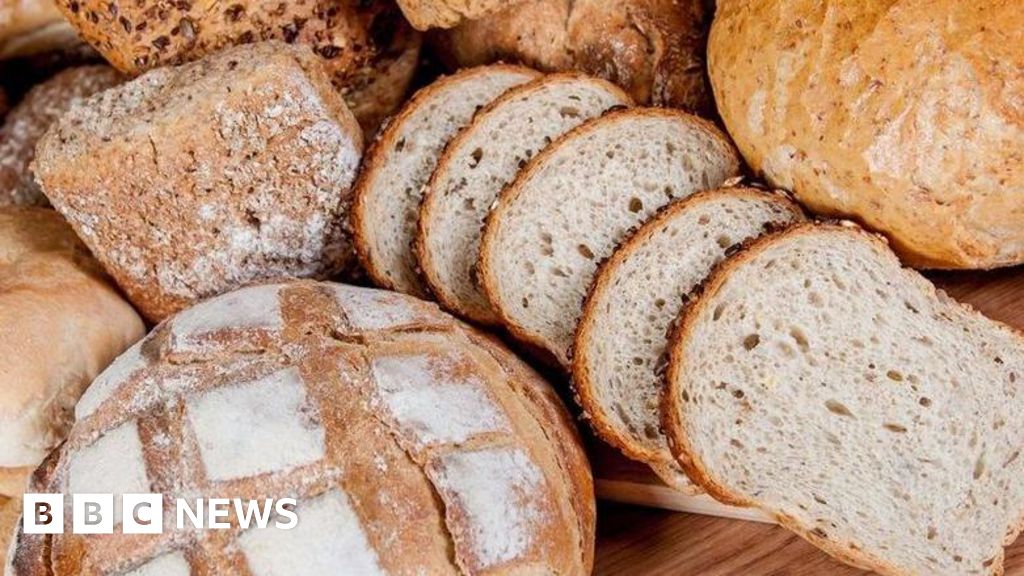
Folic acid is to be added to non-wholemeal wheat flour in the UK to help prevent birth defects.
Adding folic acid to flour could prevent around 200 cases of neural tube defects, such as spina bifida, every year, and improve the health of pregnant women, says the government, which is giving manufacturers until the end of 2026 to conform to the new legal requirement.
Expectant mothers and women trying to conceive should continue to take supplementary folic acid – the synthetic version of the vitamin folate – as currently advised by medical practioners.
Folic acid is particularly important in early pregnancy, aiding proper development of the baby’s brain, skull and spinal cord.
Experts, many of whom have called for the move for a number of years, have welcomed the government’s decision.
The announcement follows health improvements in other countries, such as Australia and Canada, where the practice is already carried out.
Some say the change doesn’t go far enough, however, and more foods should be included.
Prof Neena Modi, professor of neonatal medicine at Imperial College London, said: “This will disadvantage groups such as women who are sensitive to gluten, eat rice in preference to bread, and products made from wholemeal flour – excluding them and their babies from benefiting, and thus adding to the considerable health inequities that already exist in the UK.”
The vitamin folate, also known as vitamin B9, is found in everyday foods such as beans and some green vegetables, meaning most people receive a sufficient dose from eating a regular, healthy diet.
In addition, the NHS recommends women who are trying for a baby take folic acid supplements for approximately three months before getting pregnant, and for at least 12 weeks after becoming pregnant. This recommendation will remain in place.
It is estimated that half of all pregnancies in the UK are unplanned. The fortification of flour will therefore help boost intake of folic acid across the population, and, indirectly, better protect unborn babies.
The government’s independent advisory body has looked at all the evidence and is satisfied that fortification is the right course of action for society as a whole.
Small-scale millers (producing less than 500 metric tonnes of flour a year) will be exempt.
Flour is already fortified with calcium, niacin, thiamine and iron as a means of improving public health.