
An experimental study in mice shows that SARS-CoV-2 infection can damage the retinas, with long-term implications for vision. Post-acute sequelae of SARS-CoV-2 infection include various neurocognitive symptoms, suggesting the virus can affect the central nervous system. The eyes are also part of the central nervous system, but little is known about the virus’s effects on these organs.
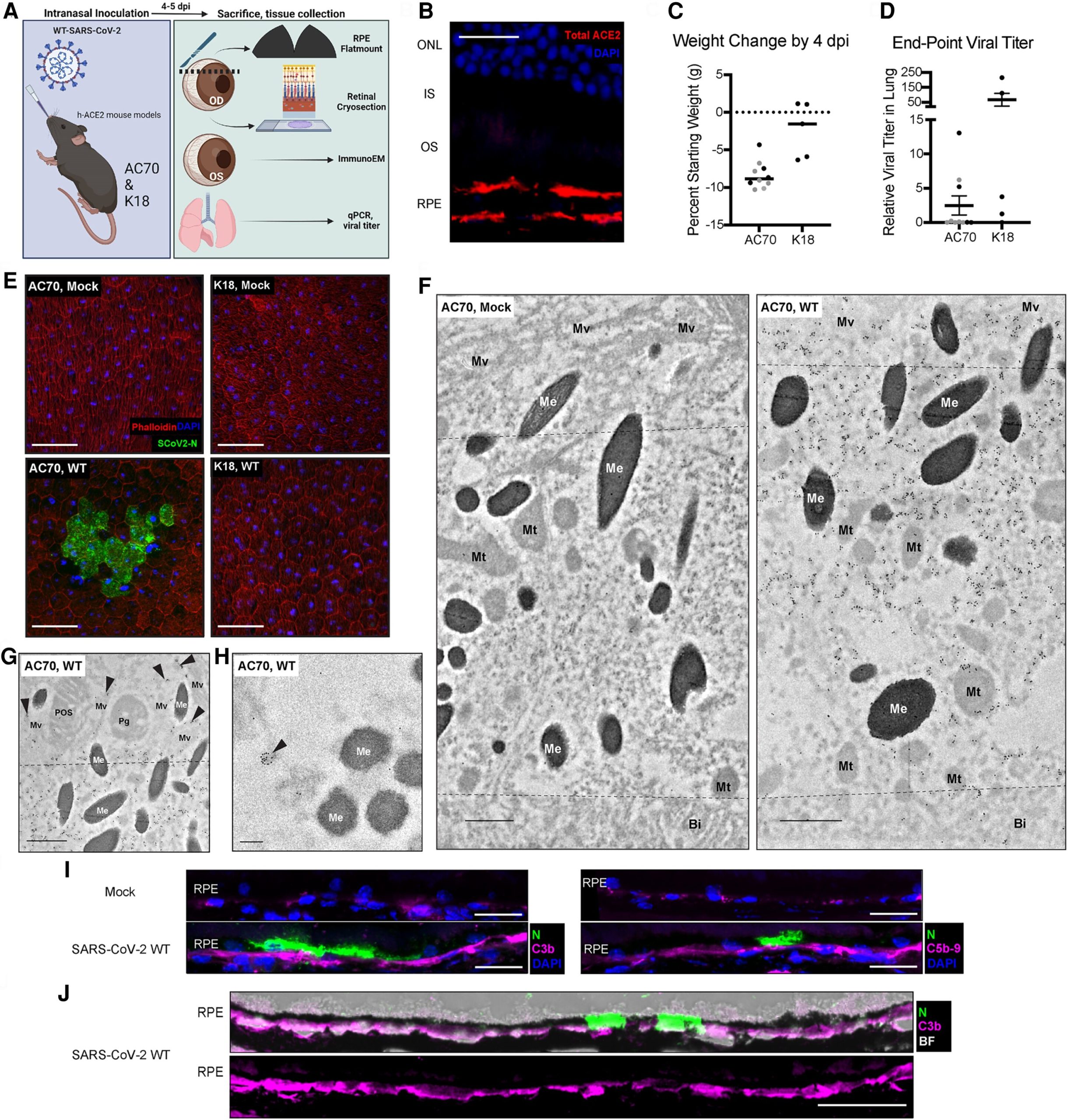
In their work published in PNAS Nexus, David Williams and Nan Hultgren led a study in which transgenic mice that express human SARS-CoV-2 receptor ACE2 were infected with the virus, and then their retinas and lungs were examined five days later.
SARS-CoV-2 was found in the retinal pigment epithelium. There was no relationship between the viral load in the eyes and the lungs, suggesting significant retinal infection can occur even in the absence of severe respiratory disease.
Experiments in cultured human retinal pigment epithelium cells confirmed the result. The presence of toxic viral proteins caused retinal pigment epithelium cells to change shape and made the cells more sensitive to oxidative stress. These changes reduced the ability of retinal epithelial cells to maintain the blood-retina barrier and to recycle photoreceptor components.
SARS-CoV-2 infection also caused widespread inflammation across the retinal pigment epithelium, including complement activation and increased production and secretion of inflammatory cytokines—responses that are major risk factors for age-related macular degeneration.
According to the authors, SARS-CoV-2 infection could thus accelerate the onset and progression of age-related blindness.
More information:
Nan W Hultgren et al. Productive infection of the retinal pigment epithelium by SARS-CoV-2: Initial effects and consideration of long-term consequences, PNAS Nexus (2024). DOI: 10.1093/pnasnexus/pgae500. academic.oup.com/pnasnexus/art … 93/pnasnexus/pgae500
Provided by
PNAS Nexus
Citation:
Experimental study shows connection between COVID infection and age-related blindness (2024, December 3)
retrieved 3 December 2024
from https://medicalxpress.com/news/2024-12-experimental-covid-infection-age.html
This document is subject to copyright. Apart from any fair dealing for the purpose of private study or research, no
part may be reproduced without the written permission. The content is provided for information purposes only.