
Studies have shown that even a few hours of monocular deprivation can markedly improve the visual function of the deprived eye in adults. However, the underlying neural mechanisms of this ocular dominance plasticity remain unclear.
Source link
Dual mechanisms drive rapid eye dominance plasticity in the adult brain, study reveals
November 26, 2025
0 Comments
Explore More
A look under the eyelids shows more is happening than previously assumed

The eye of the sleeping subject was kept open with a special fixation device to record the pupil movements for several hours. Credit: Neural Control of Movement Lab / ETH
Visual resistance training for athletes improves reaction times, study finds
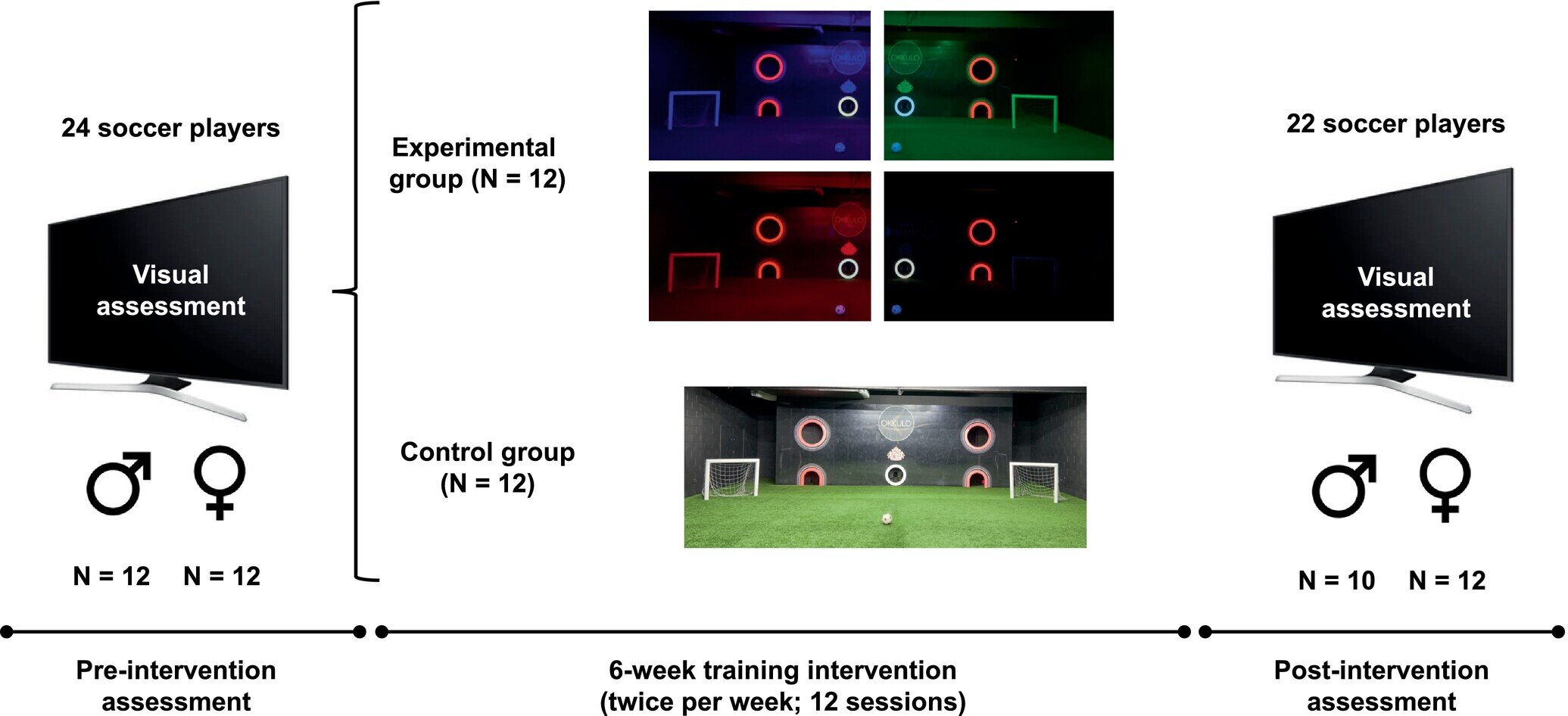
A schematic illustration of the experimental design. Credit: Ophthalmic and Physiological Optics (2024). DOI: 10.1111/opo.13423 Professional athletic sports require elite athletes to function at the very limit of their abilities.
Blinking less may mean brain is working harder, study shows
Blinking is a human reflex most often performed without thinking, like breathing. Although research on blinking is usually related to vision, a new Concordia study examines how blinking is connected