
National Institutes of Health (NIH) researchers have developed a digital replica of crucial eye cells, providing a new tool for studying how the cells organize themselves when they are healthy and affected by diseases. The platform opens a new door for therapeutic discovery for blinding diseases such as age-related macular degeneration (AMD), a leading cause of vision loss in people over 50. The study is published in the journal npj Artificial Intelligence.
Source link
Digital twin reveals how eye cells lose their organization in leading cause of vision loss
February 11, 2026
0 Comments
Explore More
Study finds two common surgeries equally effective for treating blinding condition of the eyelid
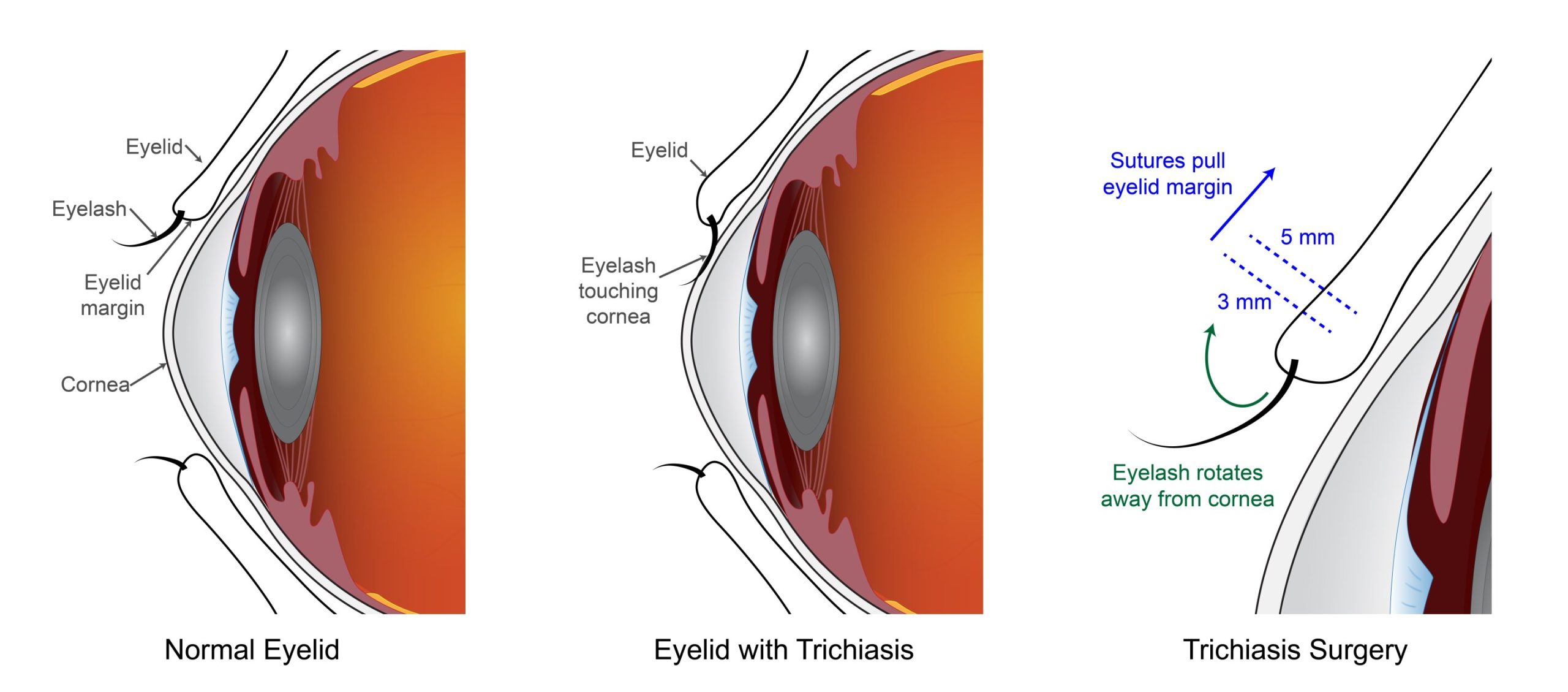
On a normal eyelid (left), eyelashes are turned outward away from the cornea. Eyelids affected by trichiasis (center) have eyelashes touching the eye. Surgery for eyelids affected by trichiasis (right),
Human study links reduced inflammation to later myopia onset
University of Oklahoma College of Medicine researcher Jody Summers, Ph.D., has long hypothesized that inflammation plays a role in the development of myopia, or nearsightedness, in which close-up vision is
What neuroscience reveals about our internal clock

Credit: Cell Reports (2025). DOI: 10.1016/j.celrep.2025.116464 It’s well-known that neural circuits help synchronize our biological clock with the day-night cycle. But just how exactly do those circuits develop, and can