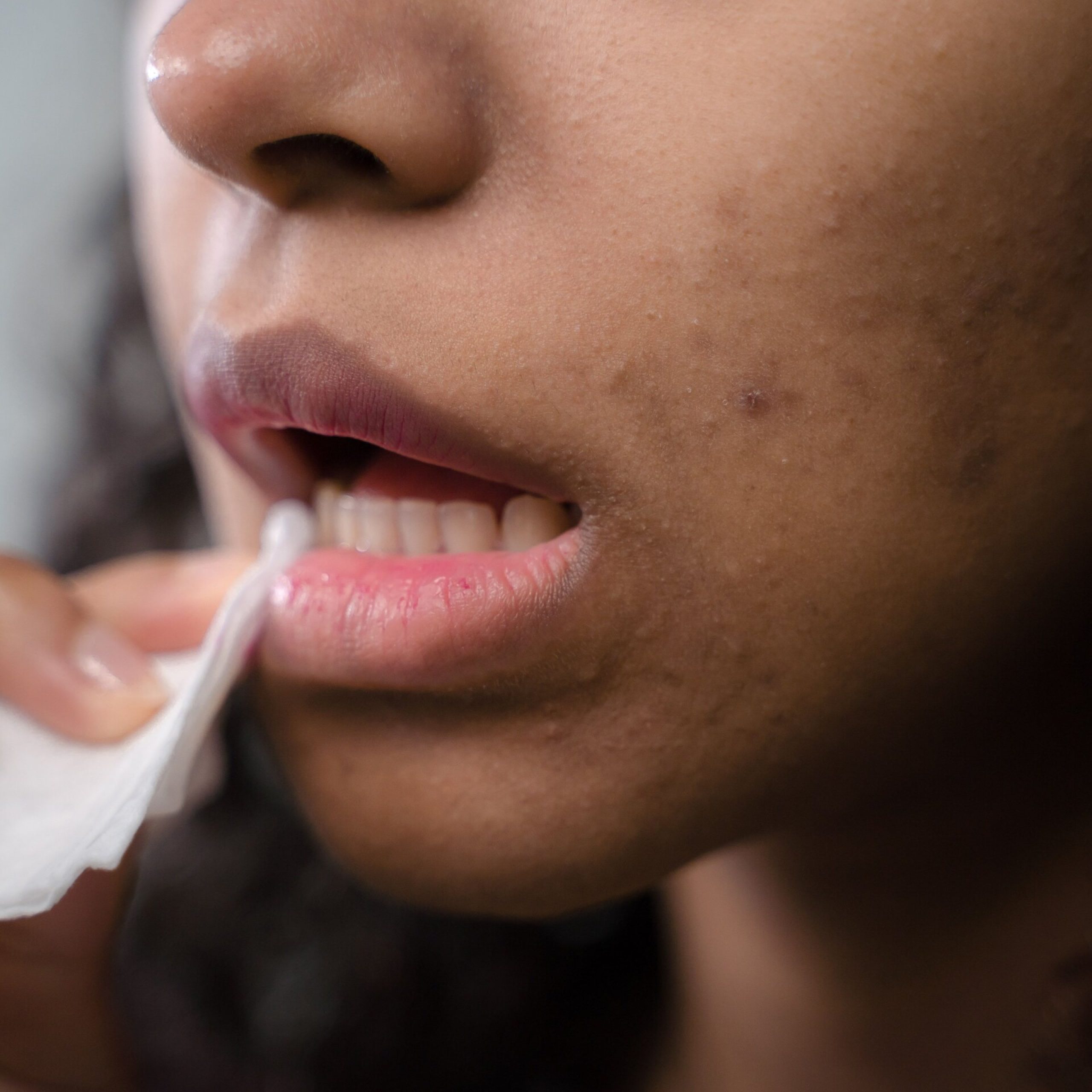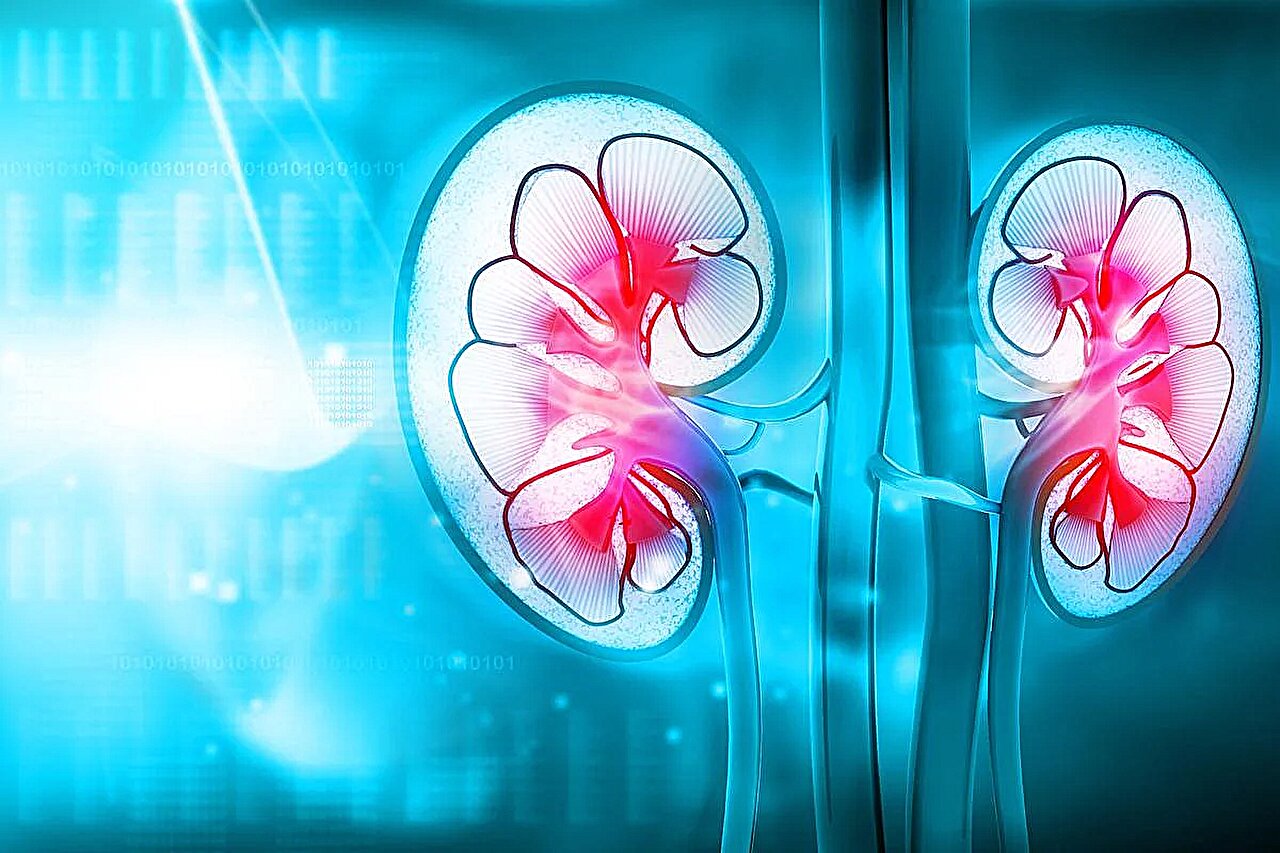

Chronic kidney disease (CKD) appears to be associated with a higher risk of tooth loss, with a higher prevalence of CKD seen among individuals with fewer than 20 teeth, according to a study published online July 20 in Renal Failure.
Na-Yeong Kim, from the Chonnam National University School of Dentistry, and Ki-Ho Chung, from the Chonnam National University, both in Gwangju, South Korea, used data from the Korea National Health and Nutrition Examination Survey (KNHANES) to confirm the association between CKD and number of teeth. Raw data was obtained from the sixth and seventh KNHANES, targeting 16,125 adults aged 40 years or older.
The researchers found that CKD prevalence was significantly higher among individuals with fewer than 20 teeth. After adjusting for age, sex, household income, education, alcohol consumption, smoking, body mass index, hypertension, diabetes mellitus, angina, myocardial infarction, stroke, dyslipidemia, and performance of an oral examination within one year, daily toothbrushing frequency, and hygiene product use, CKD was associated with having fewer than 20 teeth (odds ratio, 1.34).
“When establishing a comprehensive health prevention and management plan for individuals with CKD, it is thought that efforts to link programs to improve oral health will be necessary,” the authors write. “In the future, large-scale longitudinal studies adjusted for additional risk factors are needed to clarify the relationship between tooth loss and CKD.”
More information:
Na-Yeong Kim et al, Association between chronic kidney disease and tooth loss among Korean adults: results from the Korea National Health And Nutrition Examination Survey (KNHANES), 2013–2018, Renal Failure (2025). DOI: 10.1080/0886022X.2025.2531239
2025 HealthDay. All rights reserved.
Citation:
Chronic kidney disease may be tied to higher risk for tooth loss (2025, July 25)
retrieved 29 July 2025
from https://medicalxpress.com/news/2025-07-chronic-kidney-disease-higher-tooth.html
This document is subject to copyright. Apart from any fair dealing for the purpose of private study or research, no
part may be reproduced without the written permission. The content is provided for information purposes only.