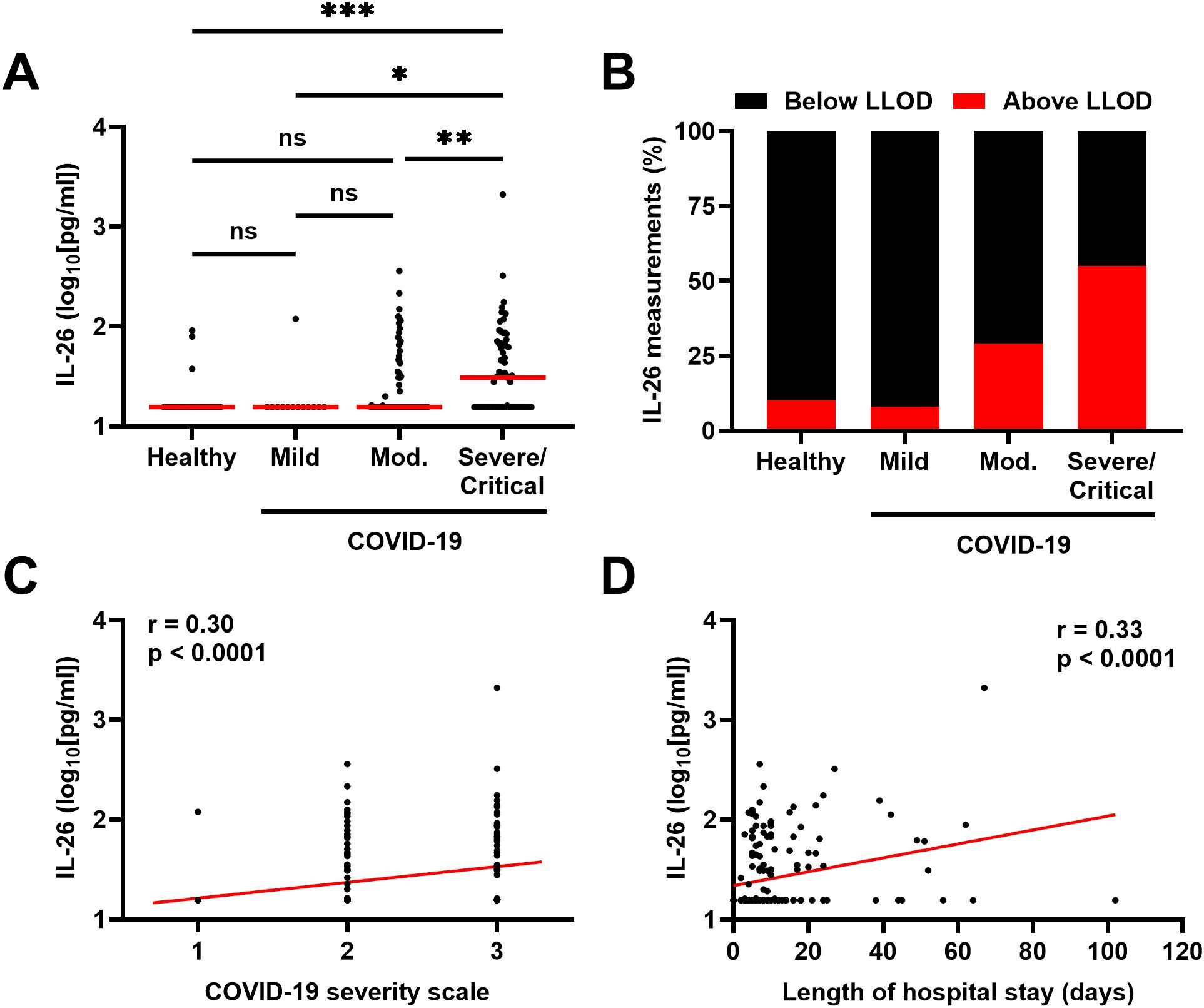

Researchers at Karolinska Institutet and the University of Gothenburg have identified a biomarker that could become an important tool for health care in assessing patients with acute COVID-19 infection. The researchers have studied interleukin (IL)-26, a signaling substance in the immune system, which has been shown to reflect the severity of the disease, viral load, and the need for hospital care.
The work is published in the journal Frontiers in Immunology.
“In our study, we have seen that immune signaling through IL-26 is closely linked to the severity of illness in COVID-19 patients,” says the lead author of the study, Dr. Eduardo Cárdenas, who was affiliated with the Institute of Environmental Medicine at Karolinska Institutet at the time of the study.
Professor Anders Lindén, at the same institute, leads the research group and is a senior physician at the Karolinska Severe COPD Center, Karolinska University Hospital.
“Our new study confirms the connection between acute COVID-19 and IL-26 that we previously demonstrated in a smaller group of patients. By now examining a large and well-characterized group of patients, we have been able to show that IL-26 has the potential to become an easily accessible biomarker for quickly assessing which patients are at risk of severe disease progression, especially patients with COPD and asthma,” says Lindén.
The researchers have analyzed samples from a large number of COVID-19 patients examined by Professor Magnus Gisslén’s research group at the Sahlgrenska Academy, University of Gothenburg.
The results show that IL-26 levels are higher in male than in female patients, which may reflect the fact that men are more vulnerable to the infection. The IL-26 levels were also higher in patients with COPD and asthma, two patient groups that have been suspected to be sensitive to COVID-19. Overall, the IL-26 level appears to provide important information on how the immune system responds under different health conditions.
This discovery opens new ways to monitor and manage patients with acute COVID-19 in emergency care, which can contribute to faster and more personalized interventions.
The new research could lead to IL-26 being established as a routine biomarker in health care and improve the ability to predict and treat severe disease progression at an early stage.
More information:
Eduardo I. Cardenas et al, Systemic increase in IL-26 is associated with severe COVID-19 and comorbid obstructive lung disease, Frontiers in Immunology (2024). DOI: 10.3389/fimmu.2024.1434186
Citation:
Biomarker can help health care assess severity of COVID-19 (2024, October 4)
retrieved 6 October 2024
from https://medicalxpress.com/news/2024-10-biomarker-health-severity-covid.html
This document is subject to copyright. Apart from any fair dealing for the purpose of private study or research, no
part may be reproduced without the written permission. The content is provided for information purposes only.