
AI in eye care is set to take a new leap with an AI-native rather than assisted approach. Researchers have developed a new tool that moves beyond the conventional model of deploying AI as isolated, standalone tools for individual tasks by bringing together a network of specialized AI software agents that can operate across every stage of a patient’s care pathway.
A recent Nature Medicine article offered an early look at AI-TEC (AI-Agent Augmented Tsinghua Eye Clinic), a new framework now being used at Beijing Tsinghua Changgung Hospital in China.
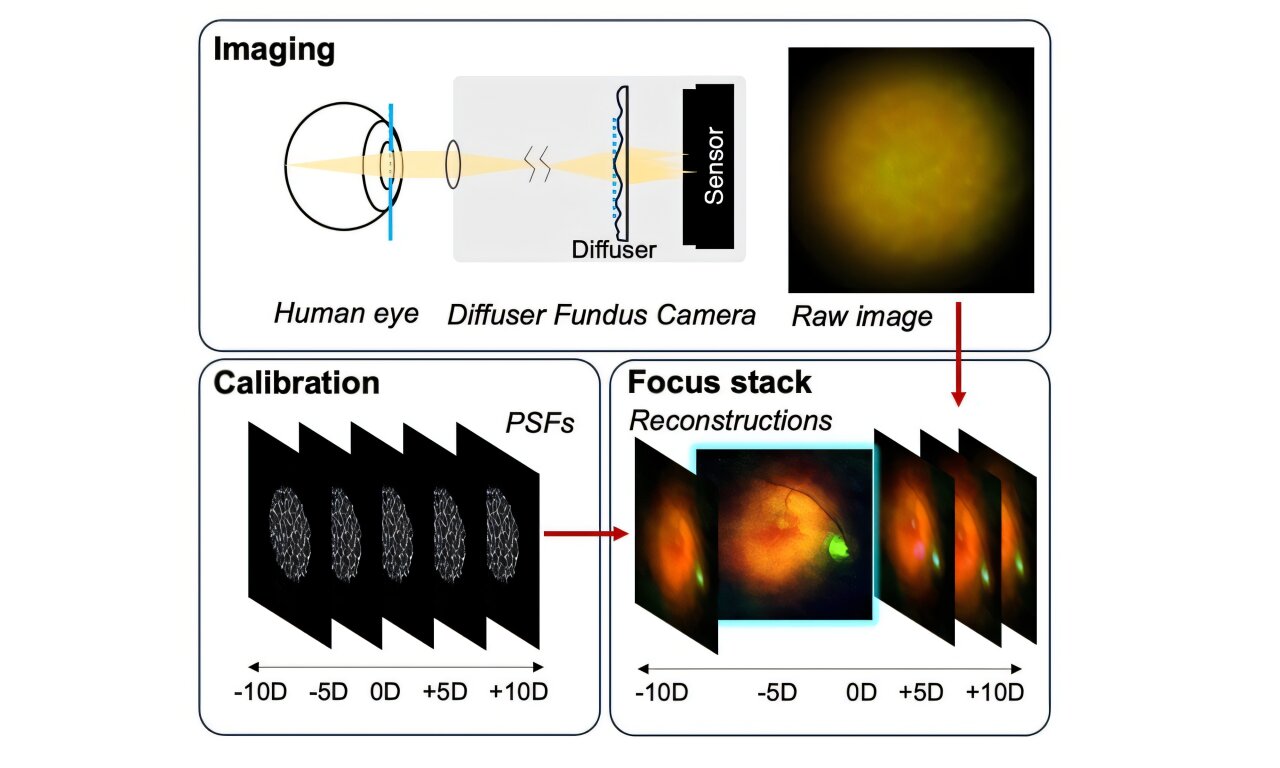
To power AI-TEC, the researchers combined two powerful AI engines that worked with different types of patient information. Qwen3.5-35B handled text, helping to understand patient histories and create structured summaries, while RETFound, a retinal foundation model, evaluated eye images, including fundus photographs that show the back of the eye.
To fit into busy clinical routines, the interface was built to load quickly, reduce typing and get doctors to the key AI summary in just three clicks. However, once the tool went live in real hospital practice, it didn’t perform as well as expected. The early model, trained on 26,839 raw, unverified hospital images, achieved a diagnostic accuracy score (AUROC) of 0.7996, which wasn’t strong enough for real-world use.
So, four eye specialists manually selected and verified 1,426 high-quality images and used them to fine-tune the AI, raising the accuracy score to 0.9383 and making it ready for clinical use.
With the system now able to provide doctors with consistent, evidence-based recommendations, it could help tailor care to each patient.

Assisted to native
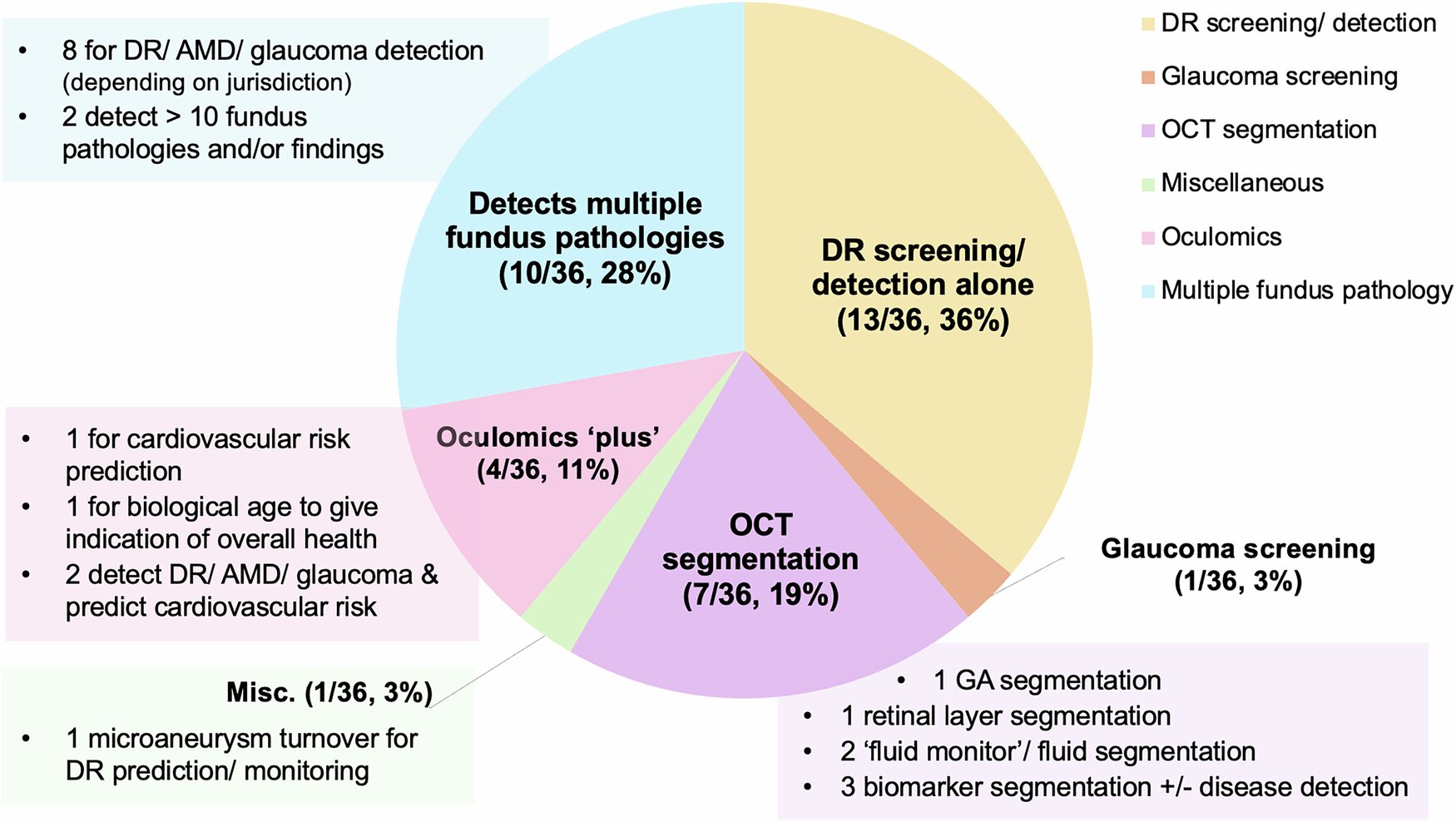
Medical AI is rapidly finding its foothold in health care practice, from analyzing medical images and predicting disease risk to generating clinical reports. However, most of these tools are still one-trick ponies, built to perform a single task rather than fit into the bigger picture of patient care.
In the real world, clinical care is not a series of isolated tasks but a complex system that must adapt its decisions based on the information provided while keeping the patient’s needs in mind. So, AI-assisted health care that takes care of only one step does not solve broader hospital overcrowding or long wait times.
A better approach is to build AI into the clinical workflow rather than add it as a separate tool. In the AI-native system designed by the researchers, specialized AI agents work together: One collects symptoms before the visit, another suggests tests, and others help the doctor during the consultation and handle follow-up.
The information gathered at each step is passed on to the next, so when the patient meets the doctor, much of the initial work has already been done.
After deploying AI-TEC at Beijing Tsinghua Changgung Hospital in November 2025, researchers saw a quick rise in doctor adoption, with the rate reaching 25.7% in December. The rate, however, plummeted to 3.8% by the following April as the tool felt slow and required too many clicks and manual entries. When they redesigned the system to load faster and require fewer clicks, usage increased to 23.0% within a month.

To ensure the AI model improved in real time, they created a process for gathering feedback from doctors during actual consultations rather than in delayed review meetings weeks later. The accuracy score climbed from 0.9383 to 0.9482 when tested on a second cohort of patients.
The fine-tuned AI got sharper at catching the conditions it was built for, including glaucoma, diabetic retinopathy, age-related macular degeneration and pathological myopia.
Based on their initial impressions, the researchers believe AI-TEC could ease administrative paperwork and reduce cognitive fatigue, saving clinicians time during consultations. They note that the true test of an AI-native health care system lies in its ability to transform clinical workflows and improve patient outcomes, not whether it tops AI benchmarks.
Further real-world trials are required to gauge whether this native-AI model can shorten patient wait times and diagnostic delays and maximize the use of limited hospital resources.
Written for you by our author Sanjukta Mondal, edited by Sadie Harley, and fact-checked and reviewed by Robert Egan—this article is the result of careful human work. We rely on readers like you to keep independent science journalism alive.
If this reporting matters to you, please consider a donation (especially monthly). You’ll get an ad-free account as a thank-you.
Publication details
Tao Yan et al, Initial lessons from real-world implementation of an AI-agent eye clinic in China, Nature Medicine (2026). DOI: 10.1038/s41591-026-04631-z
Journal information:
Nature Medicine
Clinical categories


© 2026 Science X Network
Citation:
Augmented eye clinic shows why AI-native systems work where standalone algorithms don’t (2026, September 16)
retrieved 17 October 2026
from https://medicalxpress.com/news/2026-09-augmented-eye-clinic-ai-native.html
This document is subject to copyright. Apart from any fair dealing for the purpose of private study or research, no
part may be reproduced without the written permission. The content is provided for information purposes only.