Over a third of the children were still waiting for treatment, with more than 60,000 waiting over two years for help – an increase from over 44,000 children the previous year.
Fewer than one in five with suspected autism or neurodevelopmental conditions went on to receive treatment in 2024-25. Those who did waited, on average, a year for support.
Dame Rachel called the figures “stark”, saying that while there had been some improvements, with more children receiving support last year, it was hard to ignore the “colossal challenge” facing mental health services, as demand outpaces system capacity and funding.
She said there needed to be a shift in approach, with greater focus on joined-up services “across health, education and social care to ensure children are getting the help they need in schools and the community”.
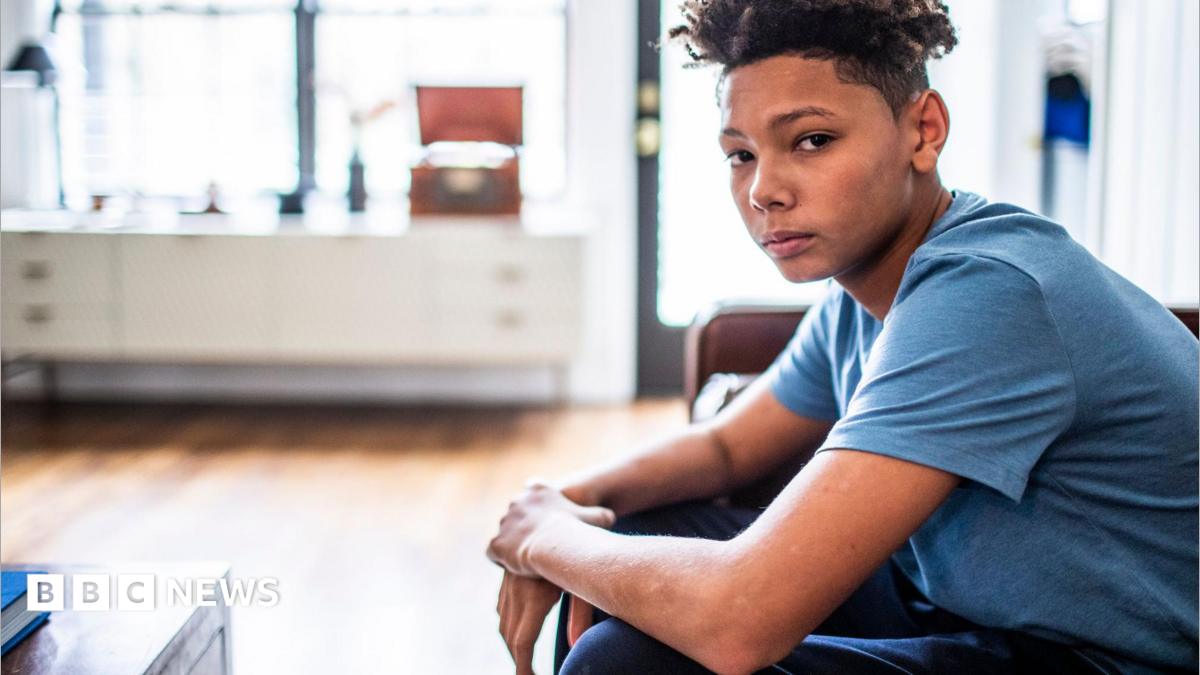
The charity YoungMinds said it was extremely concerned about the additional barriers and waiting times some were experiencing, particularly by black and racially minoritised children and young people, as well as those referred to services with suspected autism or neurodevelopmental conditions.
The figures show that black and Asian children are underrepresented in referrals and that when they are referred, they are much more likely to be in severe distress or crisis.
One in four black children directed to children and young people’s mental health services were referred for being in crisis, compared with 16% of Asian children and 7.4% of white children – raising questions over why some children from ethnic minority backgrounds are not receiving help earlier.
Children from the poorest 10% of areas in England made up 15% of referrals, compared to 7.6% from the least deprived areas.
If you are suffering distress or despair, details of help and support in the UK are available at BBC Action Line