
A study led by researchers at the University of Rochester Medical Center found that breast milk provides protection against rotavirus, a common gastrointestinal disease that causes diarrhea, vomiting and fever in infants.
Babies whose mothers had high levels of specific antibodies in their breast milk were able to fend off the infection for a longer period than infants whose mothers had lower levels. The findings are expected to drive future research to improve infant health through optimized breastfeeding practices.
Published in the Journal of Clinical Investigation, the study also found significant differences in antibody profiles in breast milk between mothers in high-income countries (HICs) and low- and middle-income countries (LMICs).
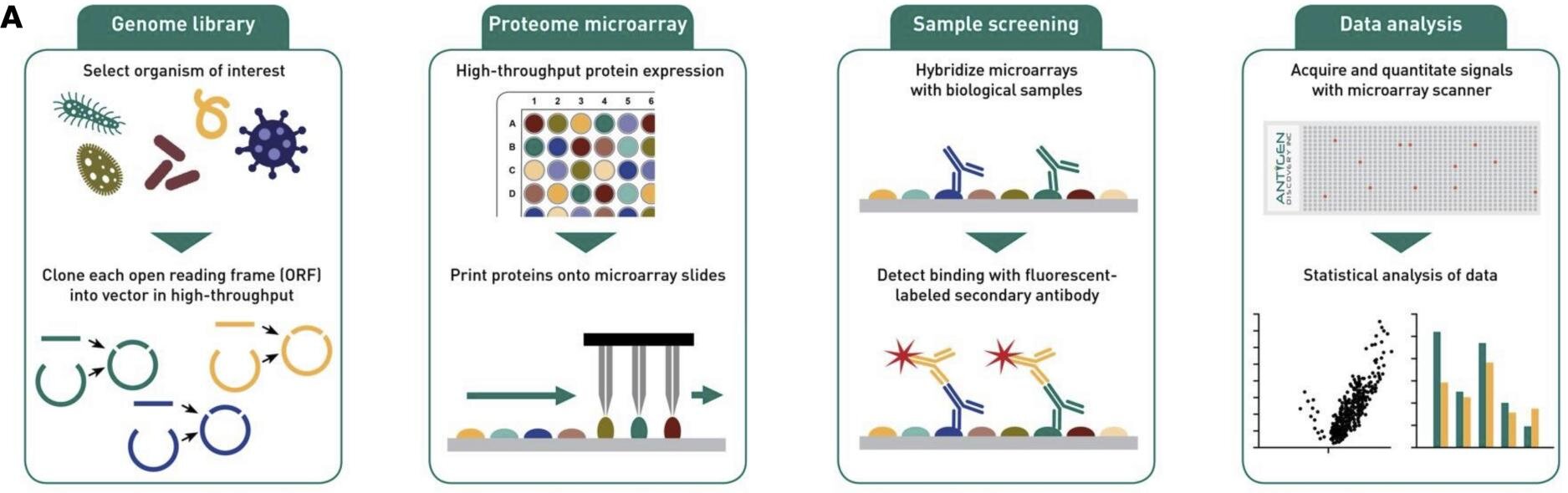
Researchers analyzed human milk samples from 695 women in Finland, the U.S., Pakistan, Peru, and Bangladesh, and measured specific IgA and IgG antibodies, which are common antibodies produced in breast milk, against 1,607 proteins from 30 pathogens.
The research, led by Dr. Kirsi Jarvinen-Seppo, MD, Ph.D., professor in the Division of Allergy and Immunology at UR Medicine Golisano Children’s Hospital (GCH), tracked antibody levels and kinetics over time to analyze antibody responses to a wide range of respiratory, diarrheal and sepsis pathogens in human milk.
The study’s primary aim was to understand the protective properties of these antibodies and how they vary across different geographic and economic regions.
“We would expect to find differences in antibody levels in different countries, due to different diseases circulating among areas of the world, but this is one of the first times that there’s been a head-to-head comparison for dozens of pathogens across several continents,” said Jarvinen-Seppo. “It was encouraging to see such a clear link between higher antibody levels and a delay to rotavirus infection, and this was consistently observed among an independent validation cohort.”
Another notable finding from the study, was that milk from women in LMICs had higher levels of IgA and IgG antibodies against various intestinal and respiratory pathogens compared to milk from HICs. This difference was particularly notable for pathogens such as Shigella and pneumococcus, which are major contributors to morbidity and mortality in young children.
“The variation in antibody profiles between regions highlights the impact of economic and environmental factors on maternal immunity,” said Jarvinen-Seppo.
In addition to rotavirus findings, the discovery that a higher BMI was associated with lower antibody counts in breast milk was also unexpected.
“We had anticipated that underweight mothers might have lower antibody levels due to poorer nutritional status,” said Jarvinen-Seppo. “Due to rising obesity rates worldwide, this could be a significant finding, but this is preliminary and additional research is needed since this is the first time this has been measured.”
“While the data on rotavirus protection is compelling, the geographical and BMI-related variations highlight areas where further research is essential. The study sets the stage for additional investigations that could lead to better understanding and interventions for improving infant health globally,” said Jarvinen-Seppo.
More information:
Joseph J. Campo et al, Human milk antibodies to global pathogens reveal geographic and interindividual variations in IgA and IgG, Journal of Clinical Investigation (2024). DOI: 10.1172/JCI168789
Citation:
Antibodies in breast milk provide protection against common GI virus (2024, September 12)
retrieved 13 September 2024
from https://medicalxpress.com/news/2024-09-antibodies-breast-common-gi-virus.html
This document is subject to copyright. Apart from any fair dealing for the purpose of private study or research, no
part may be reproduced without the written permission. The content is provided for information purposes only.