Researchers at Trinity College Dublin, in collaboration with Breye Therapeutics, have found that an oral medication (“Danegaptide”) can protect against vision-threatening damage in nonproliferative diabetic retinopathy (NPDR), a leading cause of blindness in working-age adults.
The study, published in the journal Science Translational Medicine, highlights a new therapeutic approach that could replace or complement frequent, invasive eye injections for millions of patients with diabetes.
Diabetic retinopathy affects nearly 30% of people living with diabetes, and the nonproliferative form (NPDR) represents the vast majority of cases.
Currently, standard treatments such as intravitreal anti-VEGF injections are reserved for advanced stages of the disease, after significant, often irreversible vision loss has already occurred. Because these injections require regular administration into the eye, early intervention has remained impractical.
Key findings
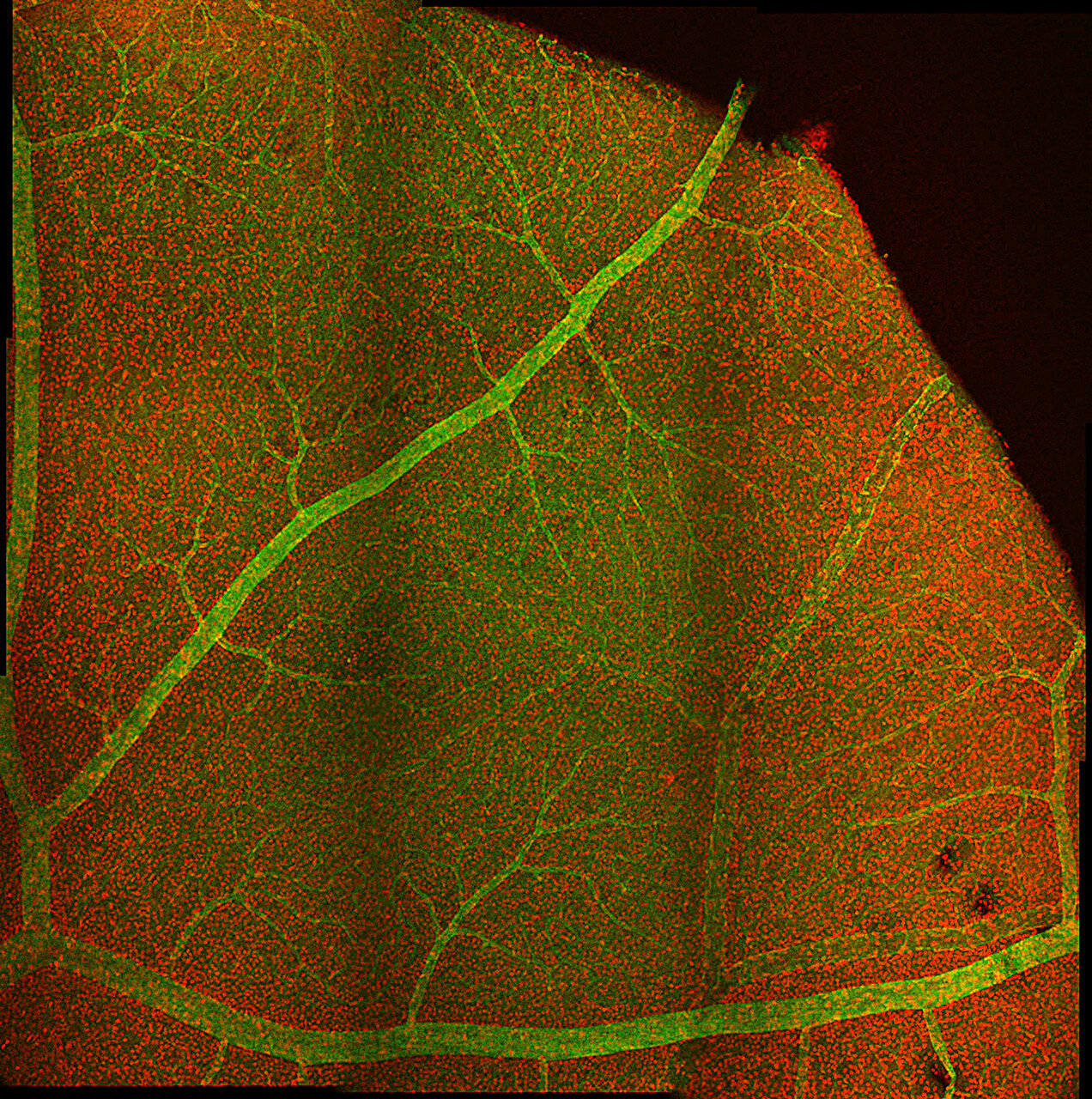
In preclinical models of the disease, administering Danegaptide rapidly reduced leakage from blood vessels in the retina, prevented inner blood-retina barrier (iBRB) breakdown and reversed retinal edema (swelling), with efficacy comparable to injectable therapies.
Additionally, in an early-stage clinical trial involving 24 patients with NPDR, oral Danegaptide was safe and well tolerated. Notably, 55% of participants demonstrated early signs of biological activity, including marked reductions in retinal leakage, decreased central subfield thickness and resolution of intraretinal fluid cysts.
What are the potential impacts of this research?
Global estimates suggest tens of millions of people are living with NPDR, with roughly one-third of adults with diabetes likely to develop this or another form of diabetic retinopathy in their lifetime.
Given how debilitating the condition can be and the urgent need for better, less invasive treatments, this research offers hope that a simple oral medication could improve management of the condition and enable affected people to live more normal lives.
The findings are promising, and the research team now underscores the need to progress with larger phase 2 clinical trials.
“Managing diabetic eye disease before irreversible damage occurs has long been constrained by the burden of invasive injections,” said Professor Matthew Campbell, chair of neurovascular genetics at Trinity College Dublin and senior author of the research paper.
“Our findings demonstrate that a simple oral pill can effectively target and repair the inner blood-retina barrier. This potentially offers a noninvasive, preventive path forward that could protect vision in both eyes simultaneously, long before severe sight loss takes hold.”
Dr. Pete Adamson, CSO at Breye Therapeutics, added, “The data from this study validate a major paradigm shift in retinal care. By proving that an oral therapy like Danegaptide can directly protect the inner blood-retina barrier, we are opening the door to early, noninvasive intervention for NPDR. The successful phase 1b results provide a strong foundation for larger phase 2 clinical trials to evaluate long-term efficacy.”
Publication details
Natalie Hudson et al, Preclinical and clinical evaluation of systemic danegaptide for the treatment of nonproliferative diabetic retinopathy, Science Translational Medicine (2026). DOI: 10.1126/scitranslmed.aed8692 www.science.org/doi/10.1126/scitranslmed.aed8692
Journal information:
Science Translational Medicine
Clinical categories


Citation:
A simple pill could prevent sight loss in diabetes-driven eye condition, early findings suggest (2026, September 23)
retrieved 17 October 2026
from https://medicalxpress.com/news/2026-09-simple-pill-sight-loss-diabetes.html
This document is subject to copyright. Apart from any fair dealing for the purpose of private study or research, no
part may be reproduced without the written permission. The content is provided for information purposes only.