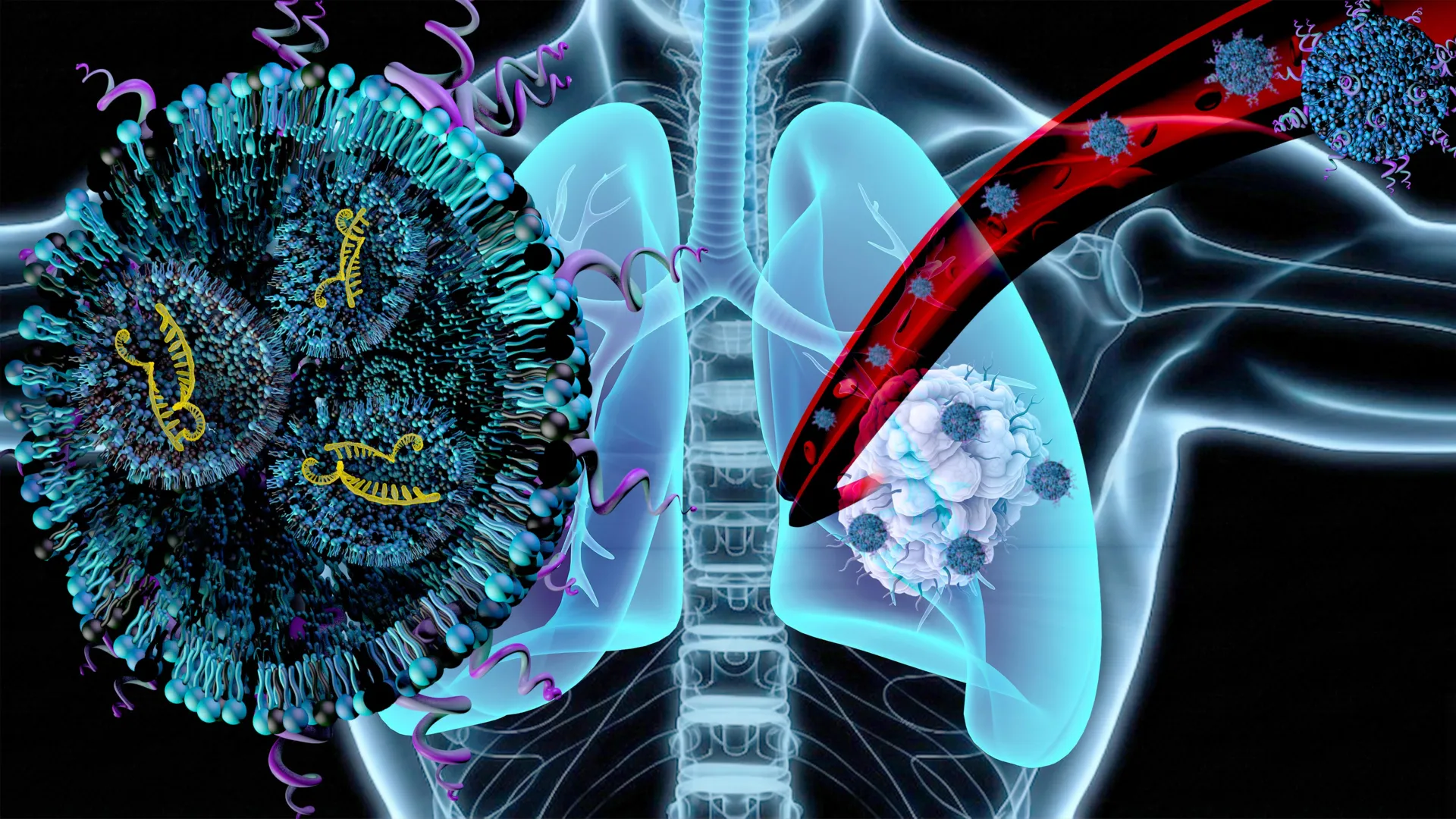
TALAPRO-2, a study led by Neeraj Agarwal, MD, FASCO demonstrated that using TALZENNA, in combination with XTANDI, may reduce the risk of disease progression or death by 37%.
Agarwal, Presidential Endowed Chair of Cancer Research at Huntsman Cancer Institute, presented the results of one of his many Phase III trials at the American Society of Clinical Oncology Genitourinary Cancers Symposium last month.
According to the National Cancer Institute, prostate cancer is the most common cancer and second leading cause of cancer death among men in the United States. Castration-resistant prostate cancer, or CRPC, is a late state of prostate cancer that continues to grow despite androgen blockade.
TALAPRO-2 combines two oral medications, TALZENNA and XTANDI, to treat metastatic prostate cancer. The trial looks at the effectiveness of adding TALZENNA to the standard treatment of XTANDI, an androgen receptor blocker that prevents male hormones from feeding the cancer. TALZENNA is a PARP inhibitor typically used to treat breast cancer.
During the global study, the treatment plan for each of the participants was randomly selected. Some received the combination of the two drugs, while others received the standard treatment of XTANDI and a placebo pill. Huntsman Cancer Institute’s clinical trials team played a critical role in the monitoring of participants enrolled at the institute. The comparison of side effects and results between the two groups is a key feature of all Phase III trials.
“As a physician, I want my patients to be able to enjoy life while being treated for cancer,” says Agarwal. “Clinical trials help us find better cancer treatments with fewer side effects. Those who are impacted by cancer can have hope that their treatment is constantly improving.”
Phase III trials are the last phase before the FDA can approve a new treatment. The FDA decision on this investigatory drug combination is expected in 2023.
Huntsman Cancer Institute is home to over 200 clinical trials. At any given time, 250 research teams are learning more about cancer, its origins, and how to prevent and treat cancer. To learn more about clinical trials, contact the Cancer Learning Center.