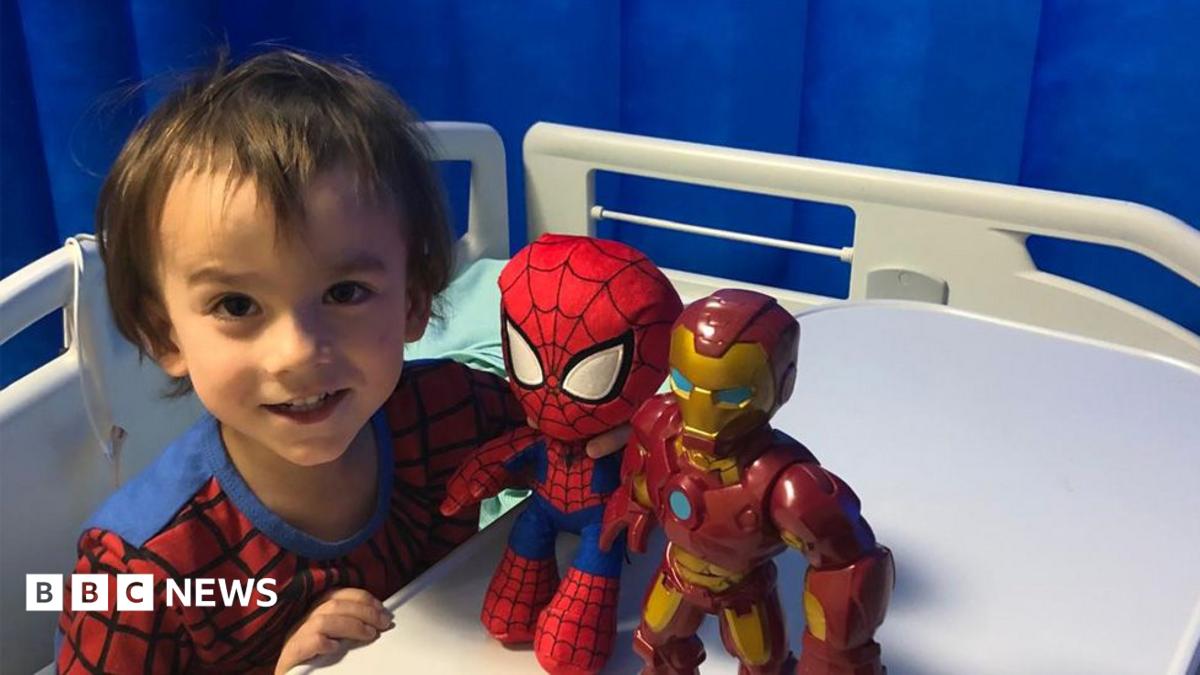
The first drug that can delay the onset of type 1 diabetes is being made available on the NHS in England and Wales.
Teplizumab is a form of immunotherapy that can give people three extra years before they develop symptoms and need lifelong insulin treatment.
The NHS medicines body described its decision as “genuinely exciting”, with hundreds of children and young people likely to benefit each year.
Type 1 diabetes can develop at any time, but the most common age of diagnosis is in early teenage years.
Groups representing patients describe the potential impact of the drug as “momentous”, after decades of work to bring it to this stage.
“If it were your child or someone you love, you would want to do everything possible to give them more years without the daily burden of managing this relentless condition,” says Karen Addington, the chief executive of the charity Breakthrough T1D.
“We now have a treatment that can help make that possible”.
Type 1 diabetes is caused when the body’s own immune system starts attacking the insulin-producing cells in the pancreas.
It is different from the type 2 form of the disease, which is often – but not always – associated with being overweight.
People with type 1 diabetes must monitor their blood glucose levels and administer insulin, either through injections or a pump, to replace the hormone their bodies can no longer produce enough of.