
Every sunrise and sunset sends the body a signal, keeping the circadian clock running on a roughly 24-hour cycle. This clock evolved so organisms could adapt to Earth’s daily rotation, syncing their biology to the pattern of day and night. Artificial lighting has freed human societies from relying on the sun to go about daily life, extending activity well into the night, but this convenience comes with a trade-off.
Source link
Exposure to bright evening light linked to higher risk of age-related eye disease
June 24, 2026
0 Comments
Explore More
Myopia is driven by how we use our eyes indoors, new research suggests
For years, rising rates of myopia—or nearsightedness—have been widely attributed to increased screen time, especially among children and young adults. But new research from scientists at the SUNY College of
Just a moment…
Just a moment… Enable JavaScript and cookies to continue This request seems a bit unusual, so we need to confirm that you’re human. Please press and hold the button until
Colder air temperatures may significantly increase fluid pressure inside the eye in people with glaucoma
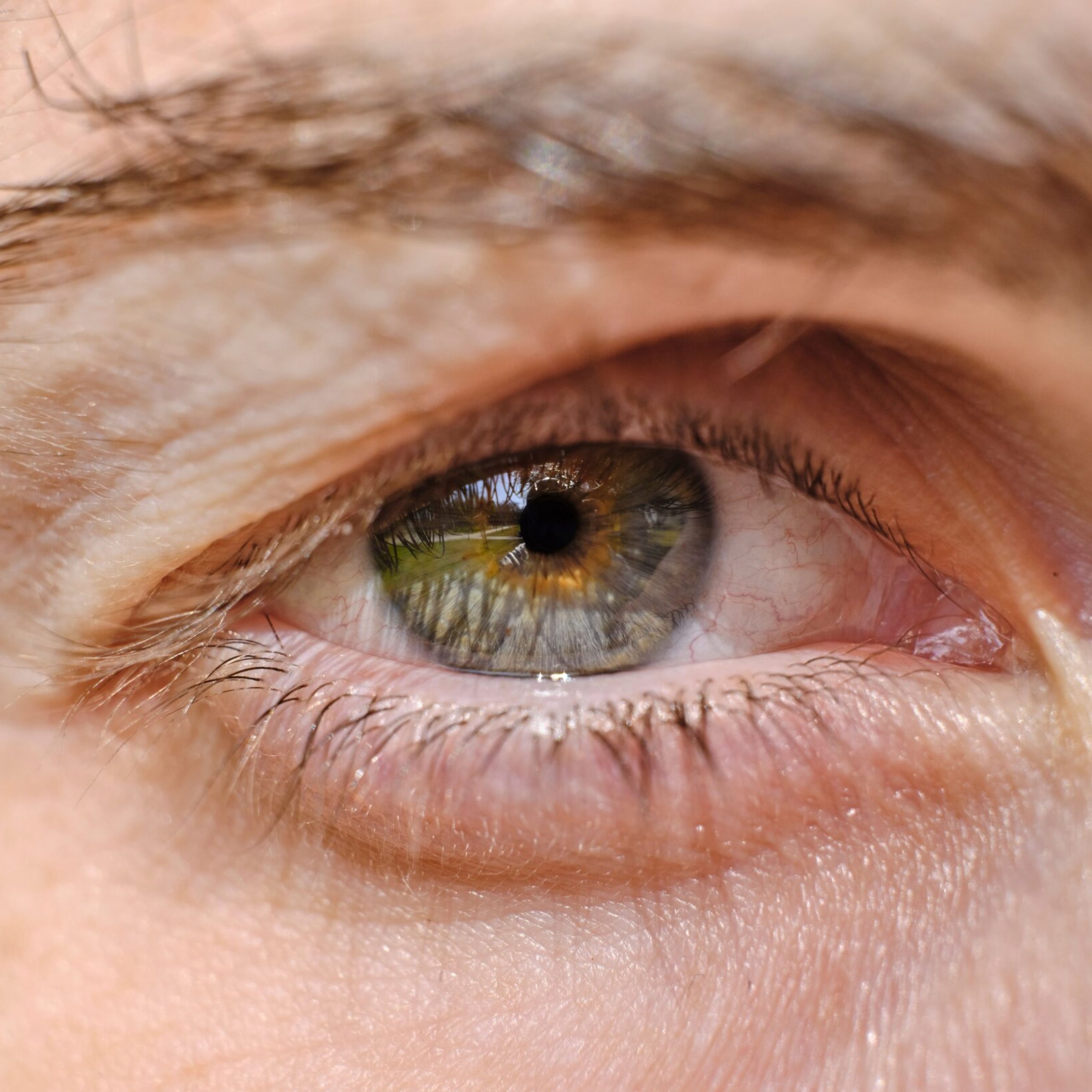
Credit: Engin Akyurt from Pexels Lower air temperatures may be associated with an increase in the fluid pressure inside the eye—a major cause of glaucoma—and should be considered when treating