
A new understanding of retinal cell development may help pave the way for future retina transplants, which could restore sight to people whose conditions currently have no effective treatments, according to researchers at the Perelman School of Medicine at the University of Pennsylvania. Their findings were published today in Frontiers in Cell and Developmental Biology.
Source link
Retinal cell subgroups may unlock more effective transplants for blindness
June 12, 2026
0 Comments
Explore More
Use of semaglutide linked to doubled risk of neovascular macular degeneration
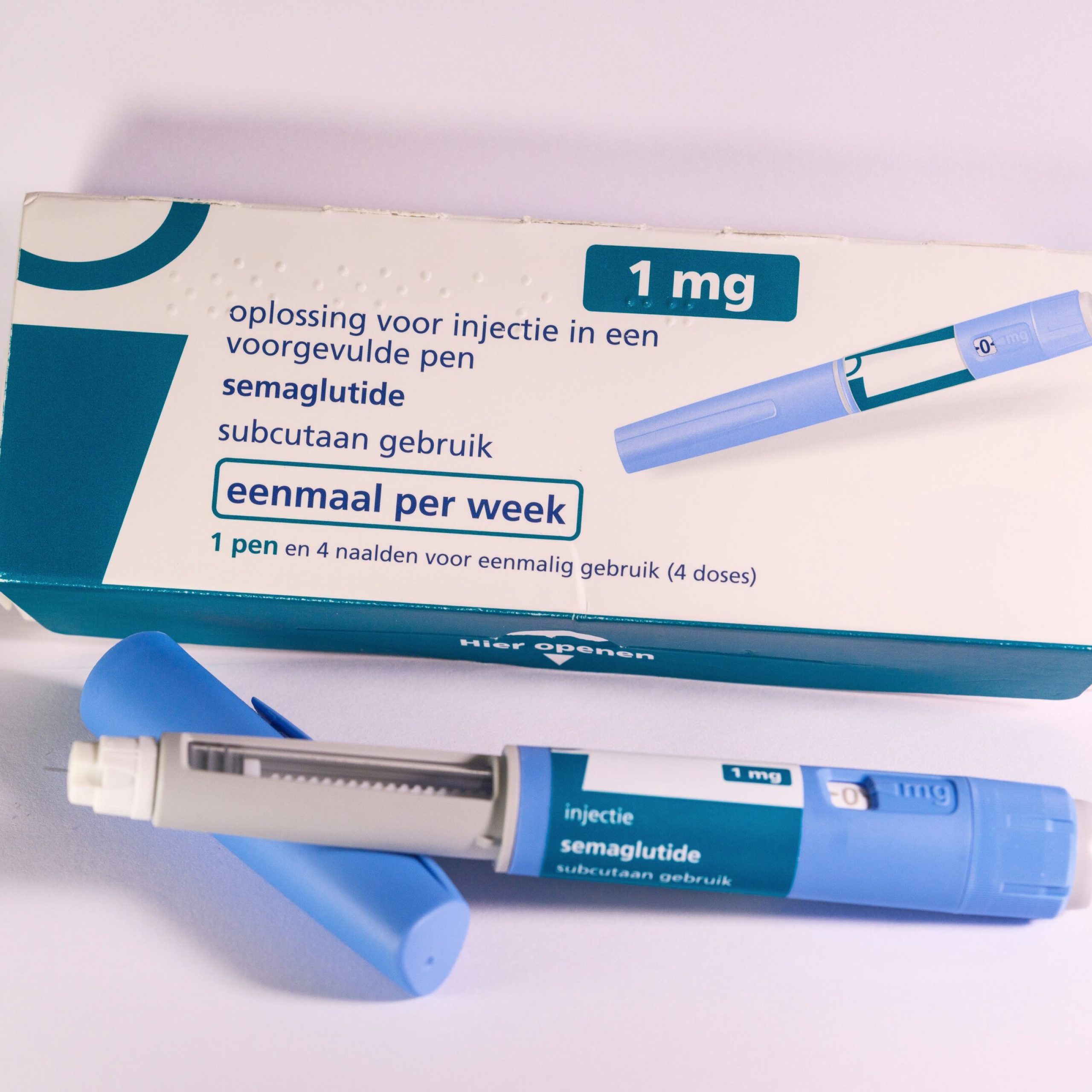
Credit: Unsplash/CC0 Public Domain Semaglutide, widely used to treat diabetes and obesity, was associated with more than double the risk of developing neovascular age-related macular degeneration (nAMD) in older patients
Peripheral vision helps readers process skipped words in 250 milliseconds
Reading seems like a straightforward process. The eyes scan the words, and the brain turns them into meaning. But it’s not always that simple. Readers regularly skip words, sometimes without
Eye movements predict speed limits in perception

Much like chipmunks dart around in rapid bursts, our eyes swiftly dart from one place to the next. These eye movements create high-speed motion that increases with the distance they