
Groundbreaking research from the University of Houston shows that a single low-dose atropine eye drop can produce daylong effects in managing myopia, or nearsightedness, which affects roughly one-third of U.S. adults. Professor of Optometry Lisa Ostrin and postdoctoral researcher Barsha Lal are reporting that even one drop in the eye of low-dose atropine (0.01%–0.1%) produces clear changes in pupil size and focusing ability that persist for at least 24 hours. Importantly, they also found that the drop shows no short-term structural effects on the eye, with only temporary changes in blood flow inside the retina.
Source link
Low-dose eye drops can manage adult myopia for 24 hours
May 5, 2026
0 Comments
Explore More
Early-stage trial finds stem cell therapy for retinitis pigmentosa is safe

Credit: Unsplash/CC0 Public Domain A team of UC Davis Health researchers has shown that CD34+ stem cells can be safely administered into retinitis pigmentosa (RP) patients’ eyes and may offer
Mixed reality glasses can give ‘the whole world back’ to people with partial vision loss
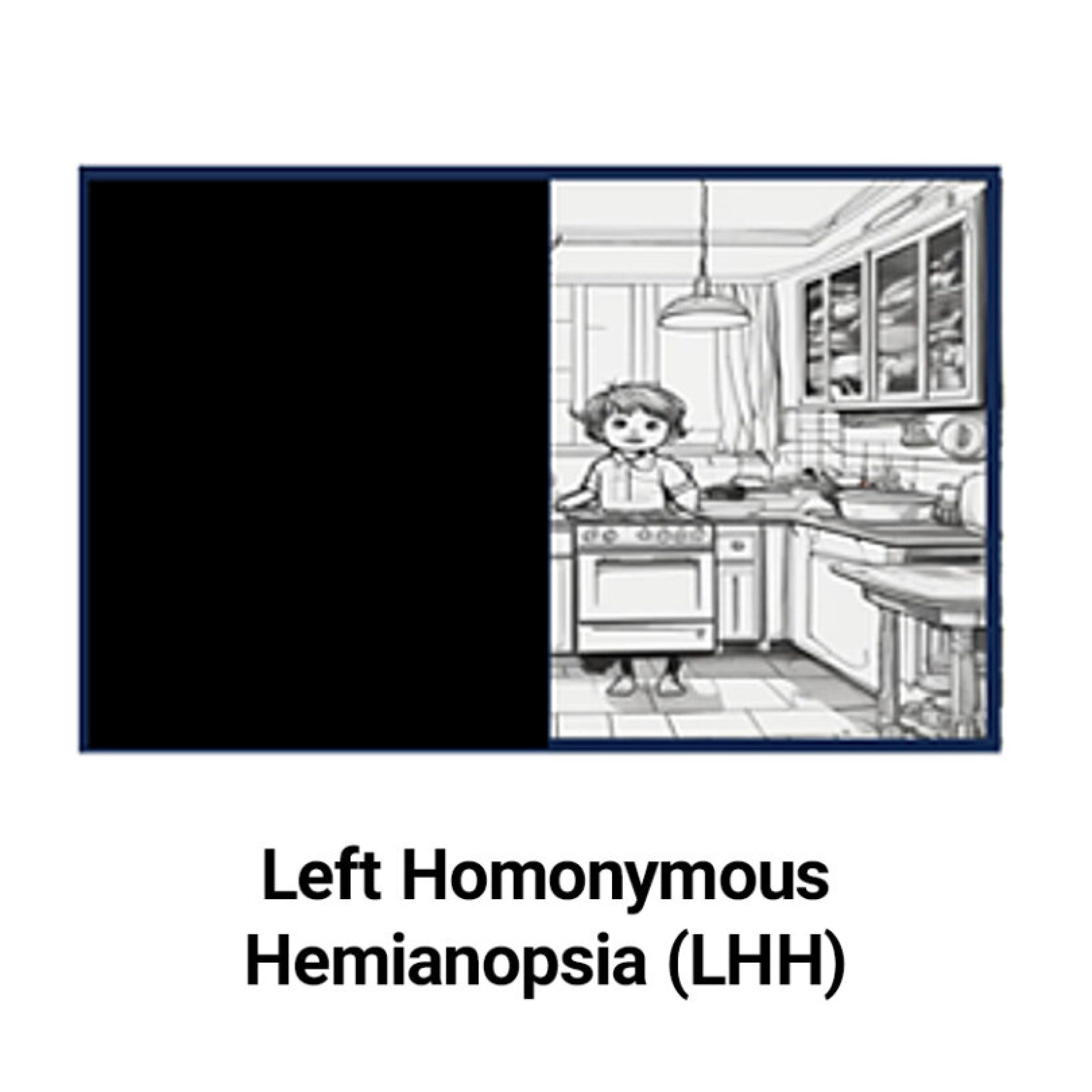
The research team’s software allows a head-mounted computer camera to process real-time video of the surroundings and compress the visual environment into the unaffected field of vision. Credit: Edsel Ing
Learning to see after being born blind: Brain imaging study highlights infant adaptability
Some babies are born with early blindness due to dense bilateral congenital cataracts, requiring surgery to restore their sight. This period of several months without vision can leave a lasting