
A new Yale School of Medicine (YSM) study has uncovered surprising new details about how our eyes process what we see. When we look at something, our visual system breaks down different aspects of the scene—such as color, contrast, and motion—and processes those components separately. It’s called parallel visual processing and it’s what allows our brains to work out what we’re seeing so quickly.
Source link
Surprising finding in the eye may explain how we see in low light
April 9, 2026
0 Comments
Explore More
Augmented eye clinic shows why AI-native systems work where standalone algorithms don’t
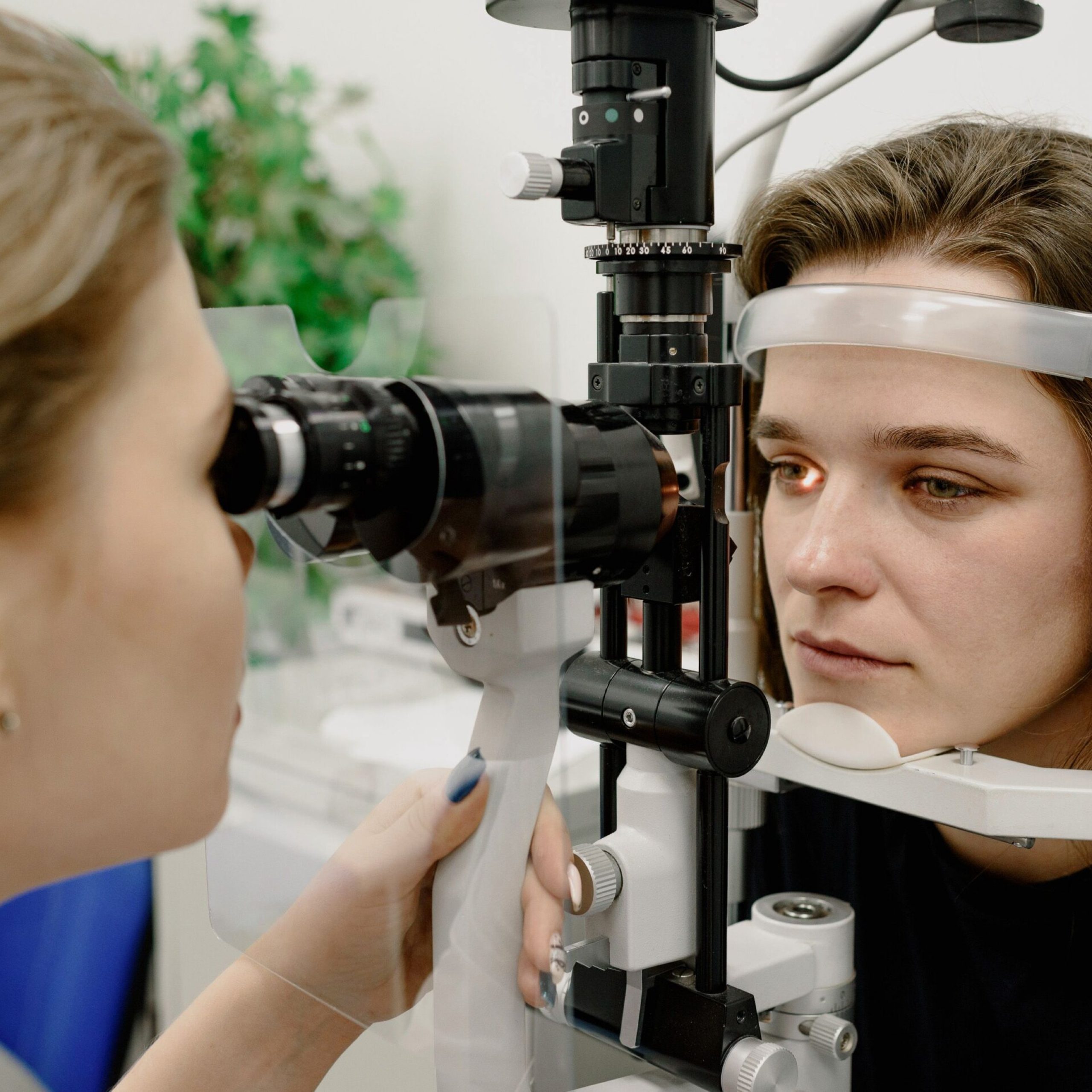
Researchers deployed an early AI-agent eye-clinic system at Beijing Tsinghua Changgung Hospital in late 2025. Credit: Pexels. AI in eye care is set to take a new leap with an
Experimental eyedrop formula delivers protective compounds for serious vision problems

Dr. Dao Nguyen examines a vial of lutein formulation developed for potential use in eyedrop treatments. Credit: Will Wright, RMIT University A new eyedrop has shown early success in delivering
Certain migraine prevention drugs associated with reduced risk of glaucoma
A type of drug used to prevent migraine may be associated with a reduced risk of glaucoma, according to a study published in Neurology. The study compared 36,822 people who