
Cells from cancerous tumors can spread, or metastasize, throughout the body. Researchers have long sought to understand what determines where those cells will go and thrive in order to more effectively treat the cancer and prevent metastasis. Researchers at Yale School of Medicine (YSM) have now identified biological markers for a rare, aggressive eye cancer that predict the likelihood of secondary tumors forming in the liver.
Source link
Eye cancer genes predetermine liver metastasis, study finds
February 9, 2026
0 Comments
Explore More
Drug combination study reveals new clues to treatment resistance in deadly melanoma
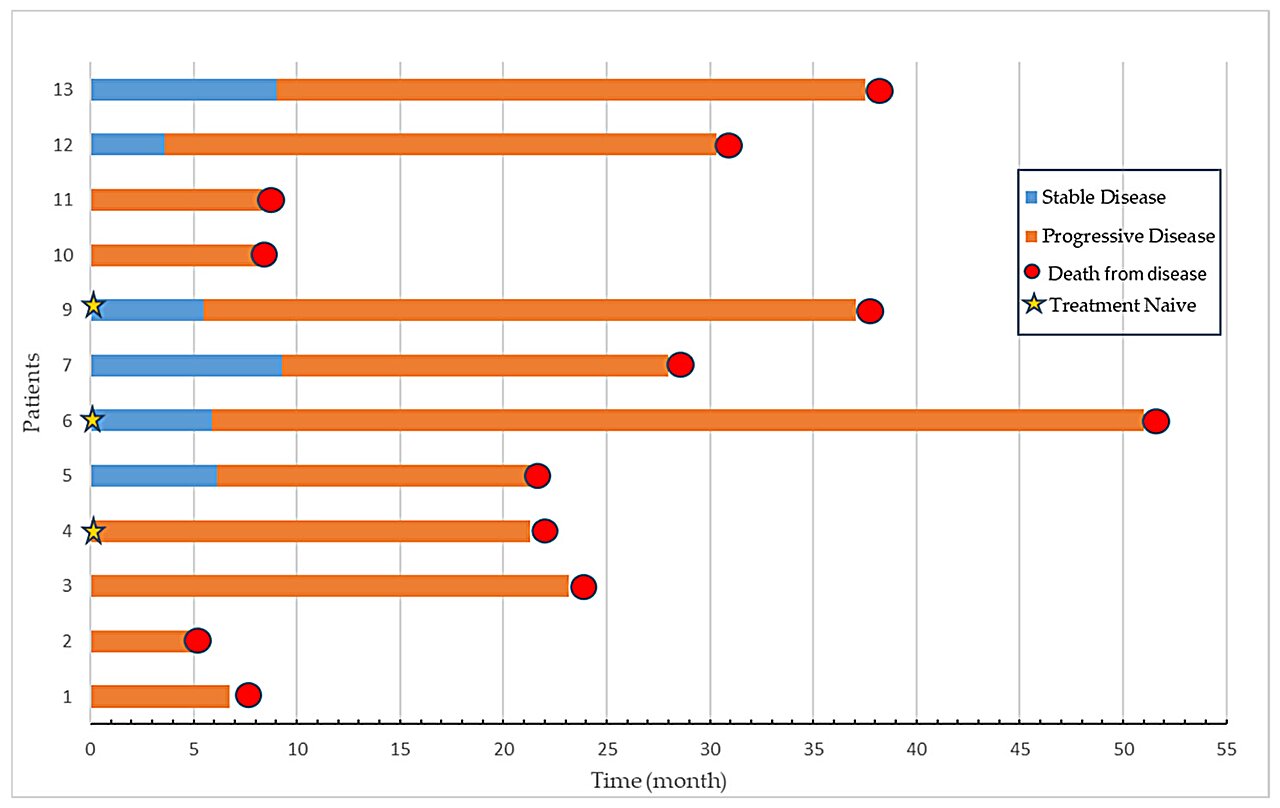
Swimmers plot (n=12). Credit: Cancers (2026). DOI: 10.3390/cancers18142232 Uveal melanoma is a rare, aggressive cancer that starts inside the eye and often spreads to the liver. Few treatment options exist,
First global medical AI foundation model drives 100-country research collaboration
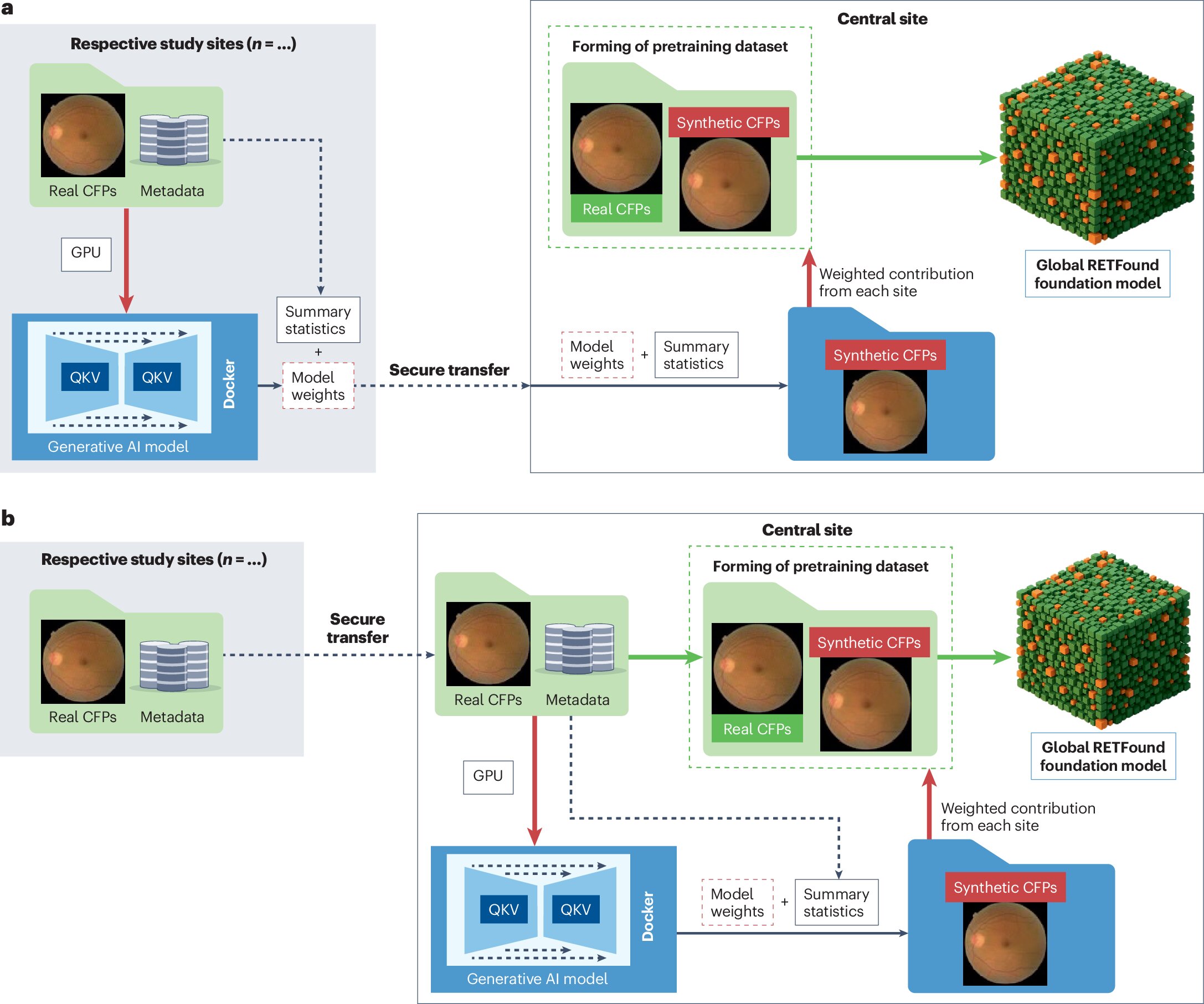
Two-pronged data contribution framework. Credit: Nature Medicine (2025). DOI: 10.1038/s41591-025-03859-5 A global research consortium of over 100 study groups in more than 65 countries has launched the Global RETFound initiative,
Color blindness may reduce early bladder cancer detection and survival
People who are colorblind may be missing a life-saving warning sign of bladder cancer. Analysis of the electronic health records of hundreds of people found that those with color vision