
Congenital stationary night blindness (CSNB) is caused by mutations in a specific calcium channel. A comprehensive proteomic study by researchers at the University of Innsbruck now reveals how these mutations trigger complex, mutation-specific molecular changes. For the first time, this work provides a solid foundation for the development of personalized therapeutic approaches.
Source link
Decoding the molecular signatures of night blindness
February 7, 2026
0 Comments
Explore More
New hope for sufferers of inherited retinal diseases
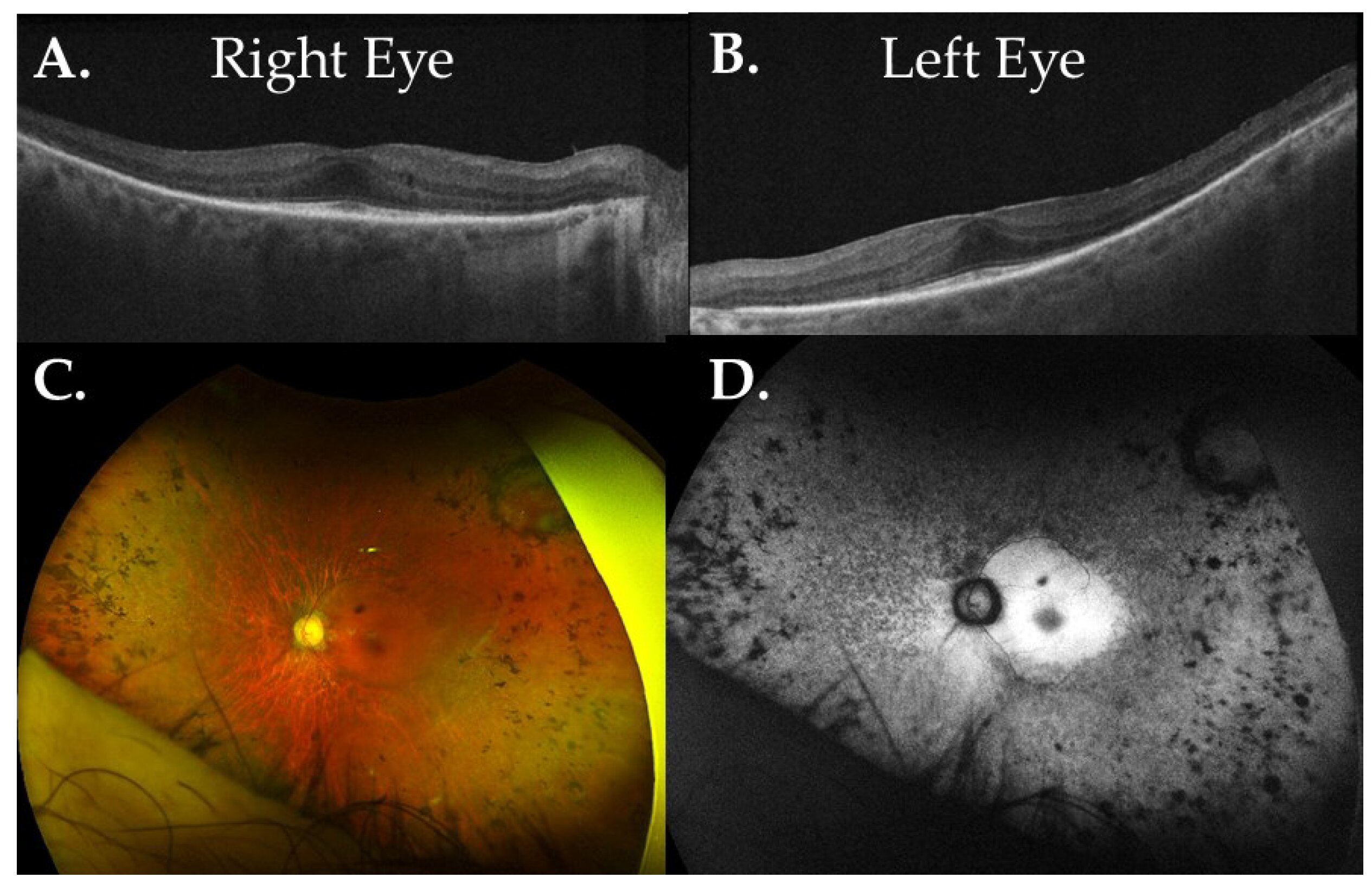
A patient with autosomal recessive RP had novel homozygous variant in GNAT1. (A,B) GP2-27 images revealed preservation of the fovea, including the outer nuclear layer and ellipsoid zone, with adjacent
Nerve cells in the eye work together to recognize contrast and movements
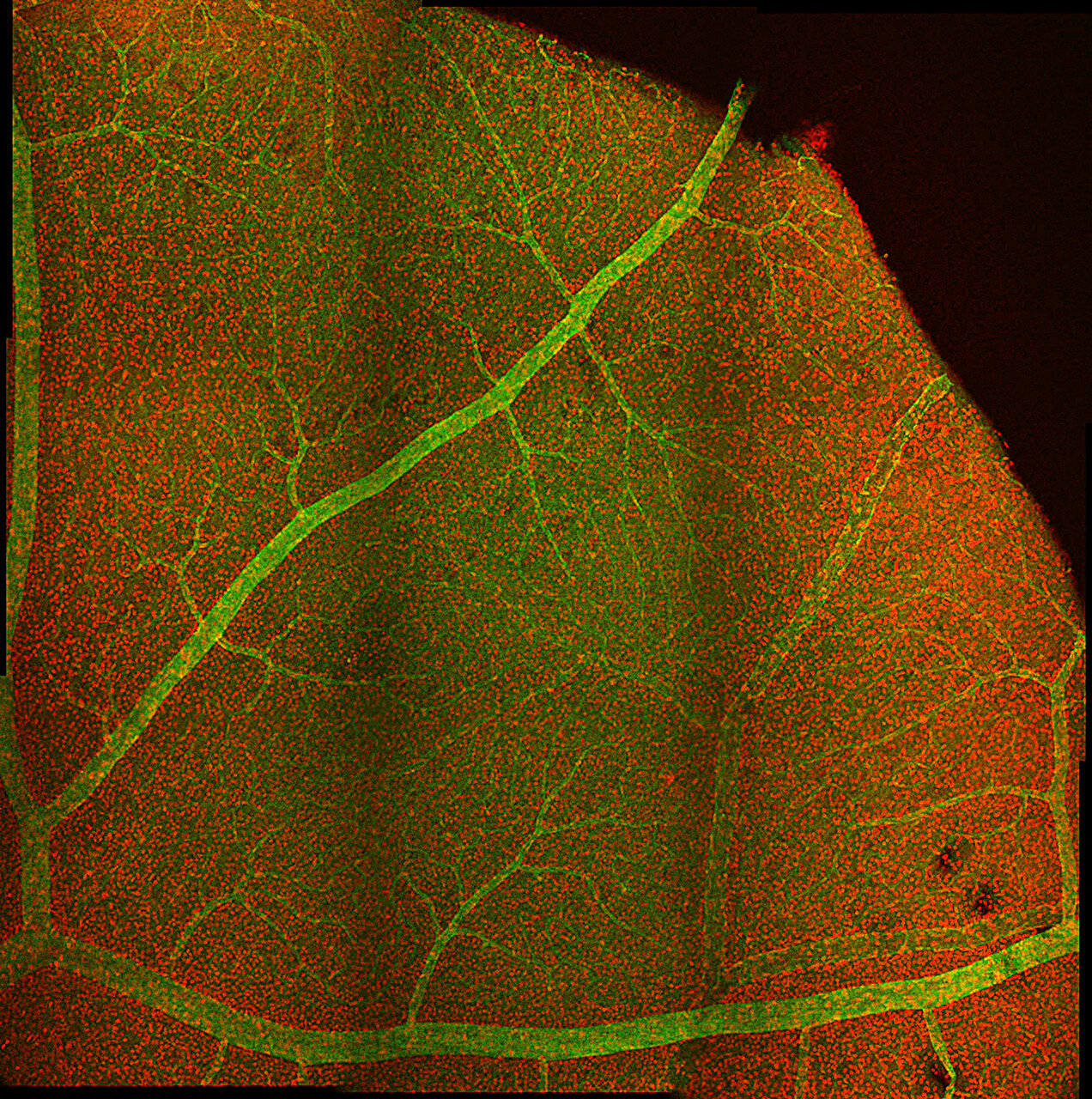
Microscopy image with nerve cells (red) and blood vessels (green) in a retinal preparation. Credit: Helene Schreyer and Mohammad Khani The processing of optical information in the retina of the
Scientists engineer 'living eye drop' to support corneal healing
University of Pittsburgh School of Medicine researchers have developed an early-stage, experimental “living eye drop” that uses naturally occurring eye bacteria to support corneal wound healing. The proof-of-concept study, published