Heat and humidity contributed to kidney damage and disease in the San Luis Valley in Colorado between 1984 and 1998, according to our recently published work in the peer-reviewed journal Weather, Climate, and Society.
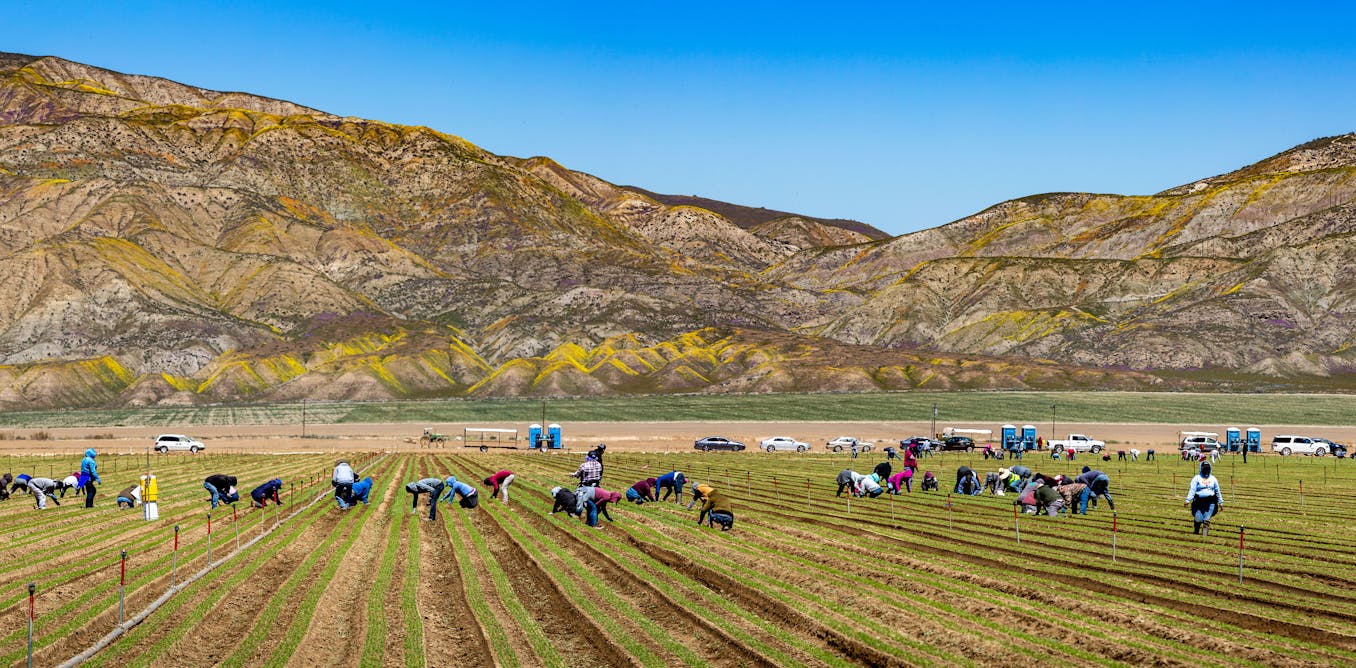
The San Luis Valley is the largest high valley desert in North America. Many of its residents work in agriculture and are exposed to worsening air quality. That decline is due to increased wildfires, dust and temperatures, in combination with low humidity. This change was in part caused by the region’s climate becoming more arid due to a 23-year drought.
I’m an environmental epidemiologist with an engineering background. For nearly two decades, I have partnered with the San Luis Valley community to investigate how water systems affect human health. Over the past eight years, my team’s research has focused on the far-reaching human health effects of the drought in the area.
In this study, we used data from a cohort of people in the San Luis Valley who were originally recruited for research on the risk factors for Type 2 diabetes. Researchers often look to established datasets to evaluate new hypotheses because it avoids the need to recruit new study participants. This dataset includes 15 years of clinical, behavioral, demographic, genetic and environmental exposure data. Using it in our recent study allowed us to evaluate the impacts of drought conditions on kidney health.
Our study suggests that a 10% decline in humidity is associated with a 2% increase in risk for acute kidney injury, while accounting for known risk factors for kidney disease. Those risk factors include age, sex, diabetes and hypertension.
These findings are supported by our previous study that examined the effects of drought and heat on emergency and urgent care visits for kidney-related issues between 2003 and 2017 in the San Luis Valley.
The two studies align with growing evidence that climate-related changes, particularly heat and humidity, are contributing to kidney injury. Over time, this means that more people are developing chronic kidney disease.
Why it matters
Globally, 10% of the population has kidney disease. In 2021, kidney diseases were the ninth leading cause of death worldwide, according to the World Health Organization. People experiencing poverty or limited access to health care are disproportionately affected.
In the U.S., more than 1 in 7 adults has chronic kidney disease. That does not account for those with undiagnosed kidney disease.
Extended exposure to drought conditions coupled with inadequate water intake has been linked to kidney stones, acute kidney injury and chronic kidney disease.
Dehydration, especially in outdoor workers who labor in hot or dry conditions, is a known contributor to both acute kidney injury and chronic kidney disease.
Acute kidney injury is characterized by a reduction in kidney function that is reversible.
Chronic kidney disease is kidney damage that is progressive and may not be reversible.
Studies in Florida and California have shown declining kidney health in agriculture workers as working conditions are becoming hotter and drier.
Outdoor workers in agriculture, forestry, mining, ranching and construction are susceptible to the effects of changing outdoor conditions coupled with physical labor. This combination exacerbates dehydration and leads to acute and chronic kidney disease.
What other research is being done
In addition to these studies, our research team is involved in other projects aimed at addressing the health impacts of a changing climate.
One such initiative is the Mountain West Climate-Health Engagement Hub, which focuses on reducing exposure to decreased air quality. This includes the deployment of do-it-yourself air filters and development of low-cost, point-of-use water filters to mitigate exposure to the secondary effects of drought.

The Washington Post/Getty Images
In the Centers for Health, Work & Environment, where I am affiliated, multiple national and international studies are focused on agriculture workers, farm owners and ranchers.
These studies examine how heat, air quality and drought affect kidney, cardiovascular and mental health. These broader studies aim to inform policy and interventions to safeguard the health of workers globally and particularly in regions most vulnerable to climate change.
The Research Brief is a short take on interesting academic work.