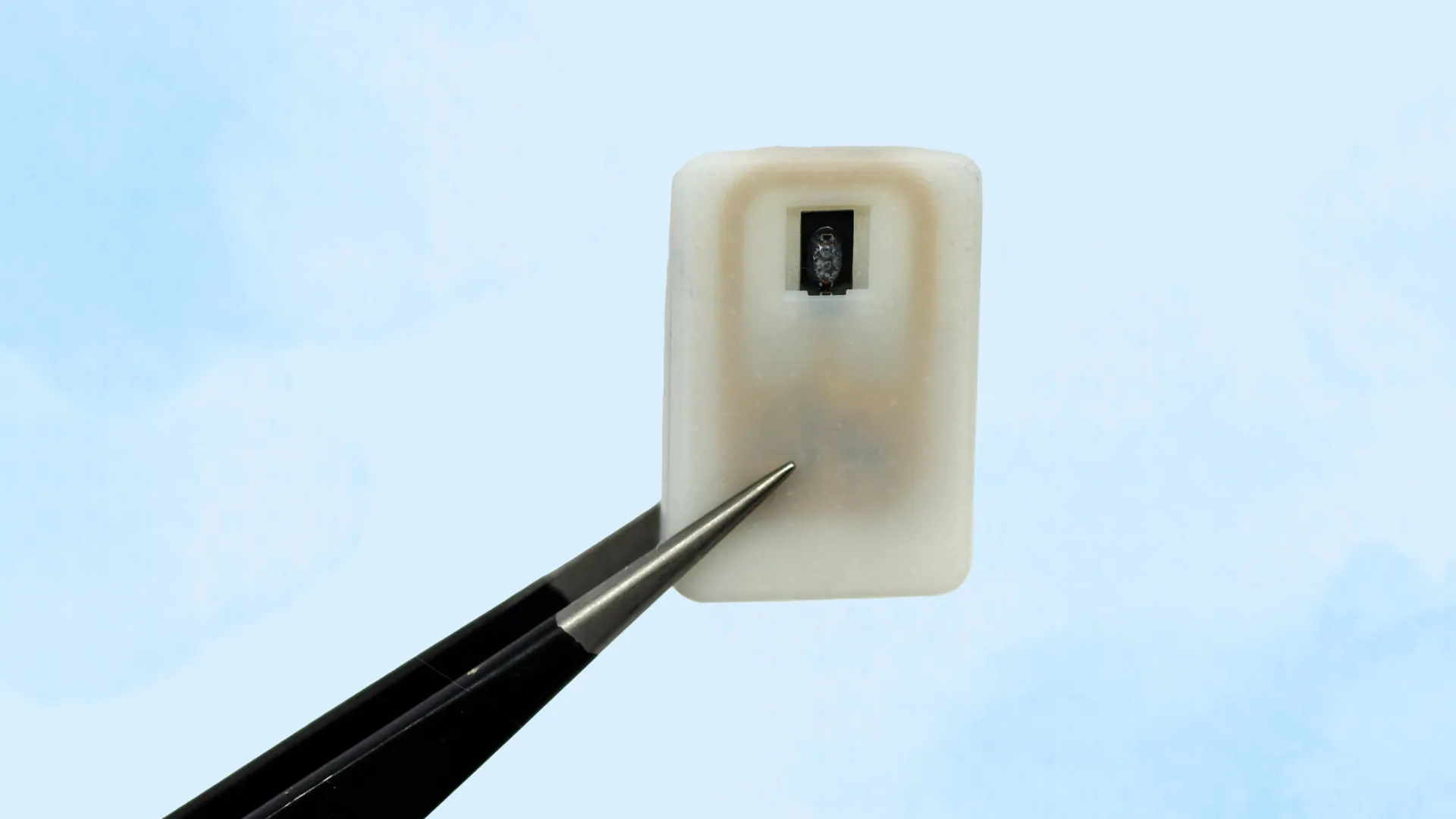
A Japanese study conducted by a team from Nagoya University Graduate School of Medicine found that the use of continuous glucose monitoring (CGM) devices, equipped with sensors that alert diabetics when their blood sugar levels drop, can potentially make diabetic drivers safer on the road. Those who used such devices had a lower incidence of low blood sugar and reported increased confidence in driving. The findings were published in Diabetes Research and Clinical Practice.
Patients treated for diabetes sometimes experience periods of low blood sugar, known as hypoglycemia. While managing hypoglycemia in a controlled environment, such as in the patient’s home, is relatively straightforward, it may occur when doing complex tasks like driving. At its worst, hypoglycemia causes impaired judgment, leading to traffic accidents.
To help diabetic people manage their glucose levels, CGM devices are used. CGM are equipped with sensors placed on the skin that monitor glucose levels and emit sound and vibration cues to alert diabetics when their glucose levels fall below a threshold level.
The study led by Doctors Takeshi Onoue and Hiroshi Arima aimed to evaluate the effectiveness of CGM equipped with low-glucose alerts for preventing hypoglycemia in insulin-treated drivers with diabetes. The participants underwent two 4-week periods: an ‘alert period’ where they used a CGM with the low-glucose alert active, and a ‘no-alert period’ where the CGM was used without the low-glucose alert function.
They found that the incidence of hypoglycemia while driving was markedly lower during the alert period than during the no-alert period, suggesting that the use of a CGM reduced the risk of hypoglycemic incidents, potentially making driving safer. Moreover, almost two-thirds of the participants (63%) said that the low-glucose alerts increased their confidence while driving.
“CGM with low-glucose alerts can potentially reduce the risk of hypoglycemia for insulin-treated drivers,” Arima said. “By monitoring glucose levels by CGM, most hypoglycemic attacks could be avoided even when driving. Such systems are expected to make driving safer for people with diabetes.”