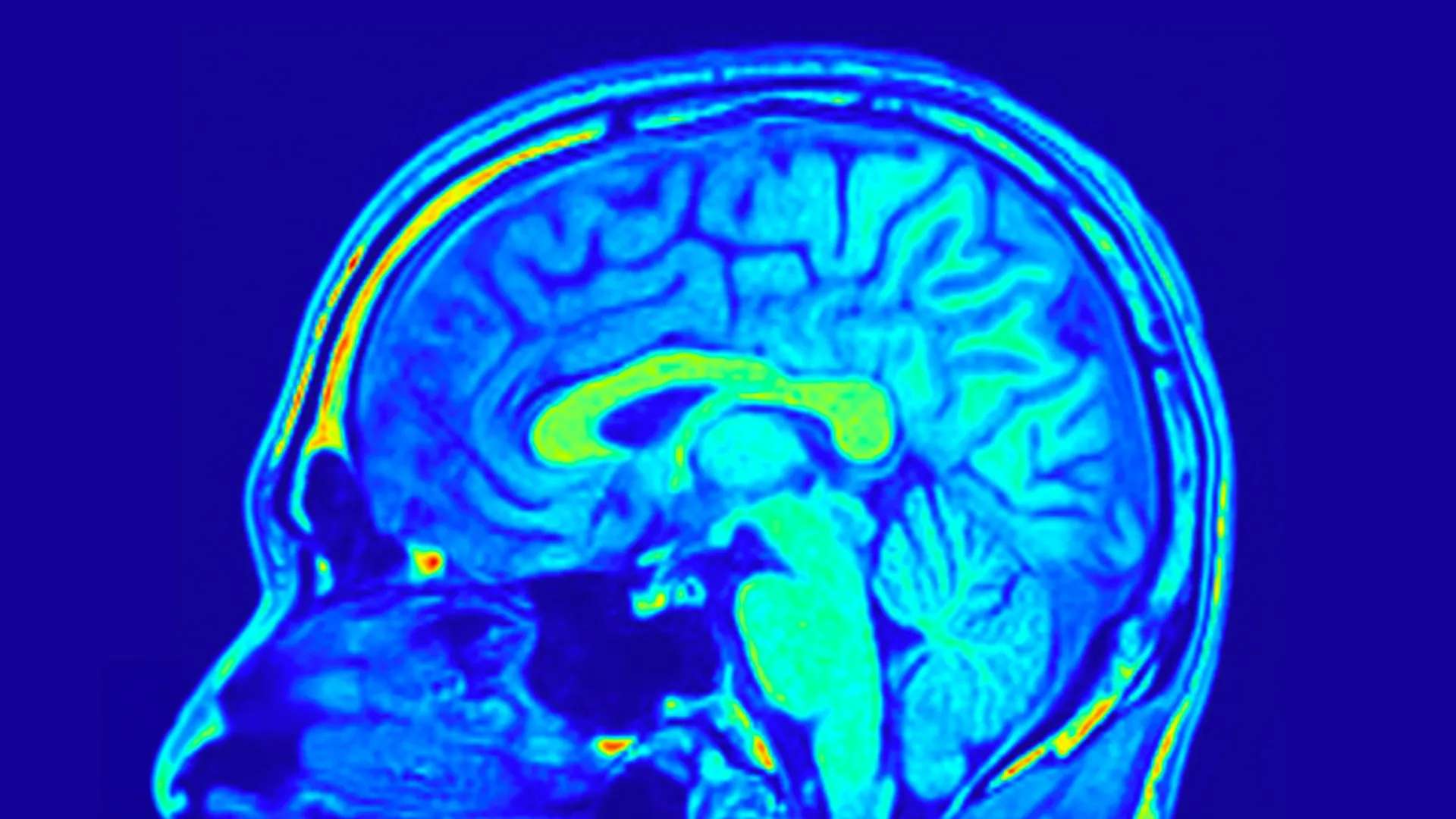
A study conducted at Turku PET Centre in Finland showed that changes in the functioning of opioid neurotransmitters in the brain may underlie anorexia.
Anorexia nervosa is a serious psychiatric disorder characterised by restricted eating, fear of gaining weight, and body image disturbances, which may lead to severe malnutrition, depression and anxiety. New study from Turku PET Centre shows how changes in neurotransmitter function in the brain may underlie anorexia.
“Opioid neurotransmission regulates appetite and pleasure in the brain. In patients with anorexia nervosa, the brain’s opioidergic tone was elevated in comparison with healthy control subjects. Previously we have shown that in obese patients the activity of the tone of this system is lowered. It is likely that the actions of these molecules regulate both the loss and increase in appetite,” says Professor Pirjo Nuutila from the University of Turku, Finland.
In addition, the researchers measured the brain’s glucose uptake. The brain accounts for about 20% of the body’s total energy consumption, so the researchers were interested in how a reduction in the energy intake affects the brain’s energy balance in anorexia.
“The brains of patients with anorexia nervosa used a similar amount of glucose as the brains of the healthy control subjects. Although being underweight burdens physiology in many ways, the brain tries to protect itself and maintain its ability to function for as long as possible,” says Professor Lauri Nummenmaa from Turku PET Centre and continues:
“The brain regulates appetite and feeding, and changes in brain function are associated with both obesity and low body weight. Since changes in opioid activity in the brain are also connected to anxiety and depression, our findings may explain the emotional symptoms and mood changes associated with anorexia nervosa.”
The study was carried out in collaboration with the Turku University Hospital and Pusan National University in South Korea. The brains of patients with anorexia nervosa and the healthy control subjects were imaged using positron emission tomography at Turku PET Centre.