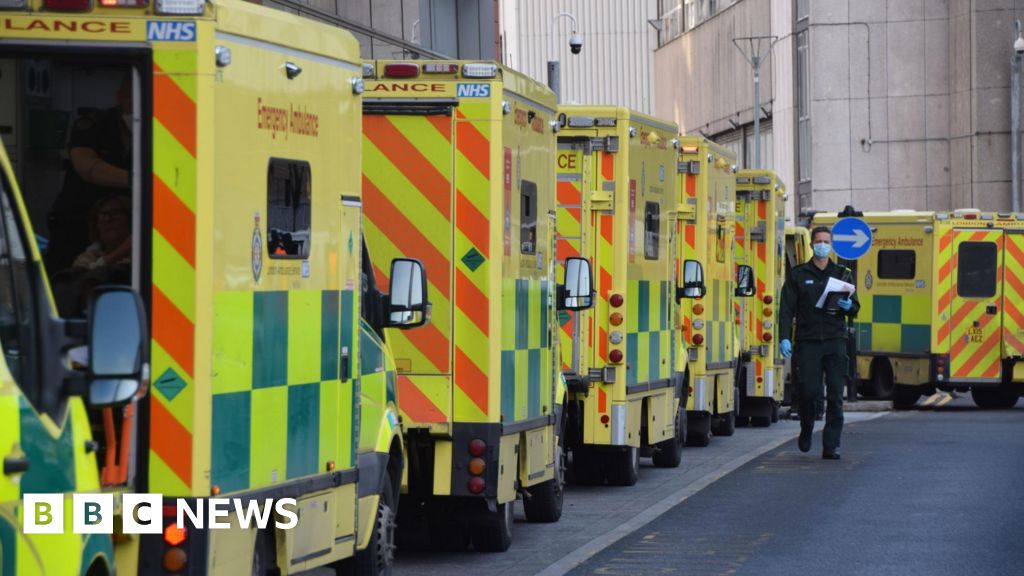
Emergency service teams, local councils and government officials will take part in a full, multi-day pandemic preparedness exercise, to help the UK prepare for potential future threats.
The test, which is likely to take place in the autumn, will involve thousands of people across different parts of the UK, minister Pat McFadden has announced.
The plans come in response to the first set of recommendations made by the Covid-19 Inquiry – the ongoing public inquiry into the handling of the pandemic.
The chair of the inquiry, Baroness Hallett, found the UK was “ill-prepared” for the coronavirus pandemic, and “failed” its citizens.
The national pandemic response exercise will be the first of its kind in nearly a decade, designed to test capabilities, plans and procedures in the face of new threats, the government says.
The findings and lessons will be made public, as requested by Baroness Hallett, who made a series of recommendations in a 217-page report published in July 2023.
Another measure will be a full test of the emergency alert system – which sounds an alarm through mobile phones – later this year.
The alert has been used four times since its launch in 2023, including in areas hit hardest by recent storms.
The government has also committed to training 4,000 people a year to be better prepared for crises such as pandemics, through a UK resilience academy, planned to open in April.
The Covid-19 inquiry report found the pandemic had a disproportionate impact on vulnerable groups.
A new national “vulnerability map” will be produced, Mr McFadden says, to highlight populations who may be vulnerable in a crisis, using data on age, disability, ethnicity and whether someone is receiving care.
It is designed to help people get more targeted local support.
Mr McFadden said: “We must learn lessons from the Covid pandemic, as we cannot afford to make the same mistakes again.
“But we will plan in a way that recognises the next crisis may not be the same as the last.”
Pandemic planning and resilience are also about making sure the underlying fundamentals of our country are strong, he added.
Baroness Hallett’s first report called for a major overhaul of the systems involved in preparing the country for civil emergencies.
it also pointed out the UK lacked resilience, with high rates of ill-health and public services running close to – if not beyond – capacity.