
 Getty Images
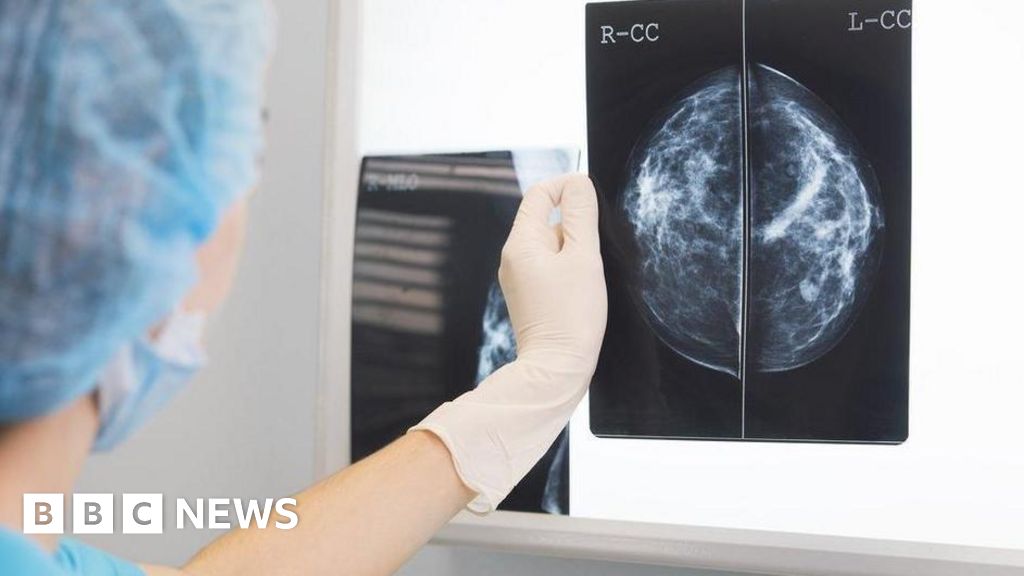
The proportion of patients diagnosed with cancer at an early stage has risen to its highest level on record, NHS figures in England show.
Data for the 13 most common cancers show 58.7% of those diagnosed between September 2023 and August 2024 were identified at stages one and two, which increases the chances of survival.
That is 2.7 percentage points up since before the pandemic – and the highest since records began more than 10 years ago.
NHS England said a combination of public awareness campaigns and new screening approaches has made a big difference.
But despite the progress England is still struggling to achieve its ambition of diagnosing 75% of cancer at stages one and two by 2028.
And the NHS is also failing to hit its target for starting treatment quickly – nearly one in three people diagnosed with cancer wait longer than 62 days from an urgent referral.
According to a Nuffield Trust report last year these are all factors in why cancer survival rates in the UK lag behind many other comparable countries.
‘More to do’
Dame Cally Palmer, NHS England’s national cancer director, acknowledged there was still “much more to do”.
But she added: “Lives are saved when cancers are caught early – and following a major drive on early detection in recent years, it’s really encouraging to see more people than ever are now being diagnosed at an earlier stage.”
She said initiatives such as the mobile screening programmes that have been used for lung and liver cancers had made a major difference.
 Family handout
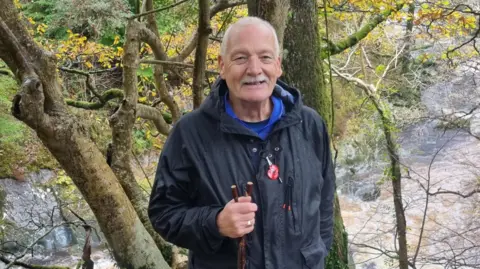
One person who has benefitted is Paul Nelson who is 72.
He had no symptoms when he went for a lung health check last summer and was diagnosed with cancer.
He said he was devastated, but the fact it was caught early means he is able to get treatment.
“I’ve never had any problems with my chest, but I was given the check and then offered the scan, so I thought why not. I am so glad I went.
“If things had been left for a few more months it could have been very different.”
Cancer Research UK chief executive Michelle Mitchell praised the NHS for the progress made on early cancer detection.
But added: “Despite this, people across the country still face unacceptable delays for vital care.”
She said there needed to be a fully-funded national cancer plan, adding increasing investment in staff and equipment, alongside reform, would help to transform cancer services for the better.