
Biomedical engineers at Duke University have used induced pluripotent stem cells (iPSCs) to grow specialized blood vessel cells critical to retinal health for the first time. When injected into mouse models of retinal disease, these “retinal endothelial cells” integrated into the damaged tissue to regenerate blood vessels and restore retinal function. Researchers also demonstrated the cells’ ability to form functional retinal vascular tissue in a lab-grown environment, providing a pathway to model and research various eye diseases.
Source link
Lab-grown retinal cells show promise for new eye therapies
June 30, 2026
0 Comments
Explore More
AI screening helps more people with diabetes access sight-saving eye care
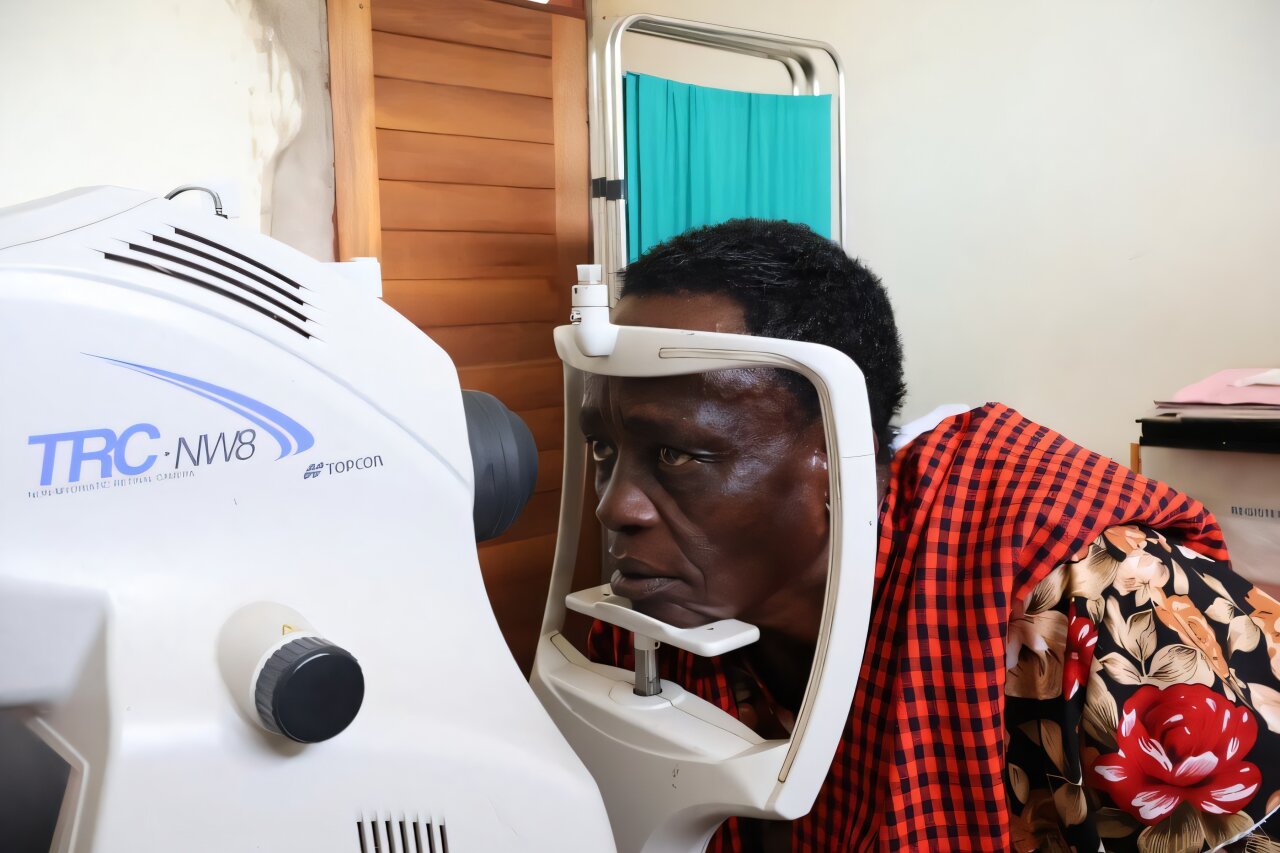
Person receiving a retinal eye examination with a retinal camera in a healthcare clinic. Credit: London School of Hygiene & Tropical Medicine People receiving AI-supported screening for diabetic retinopathy, a
100-fold improvement in sight seen after gene therapy trial

Credit: Unsplash/CC0 Public Domain The vision of people with a rare inherited condition that causes them to lose much of their sight early in childhood was 100 times better after
Few patients receive AI-assisted screening for diabetic retinopathy despite its promise, study finds

Credit: VICTOR REGA from Pexels A team of ophthalmology researchers at Stanford University, working with a colleague from New York University School of Medicine, has found that despite promise for