
The retina of the human eye contains 6–7 million cone cells. These cells contain light-sensitive proteins known as cone opsins. They enable us to perceive our surroundings in detail in daylight. They allow us to see the world in thousands of colors: red strawberries, green leaves, the blue sky. They also enable us to see all the objects around us clearly. And they allow us to perceive fast movements, such as the rush of a train or the flight of a dragonfly.
Source link
First 3D views of human cone opsins reveal how daylight vision reacts so fast
June 25, 2026
0 Comments
Explore More
How the brain splits up vision without you even noticing

When an object crosses the visual field, the brain’s hemispheres hand off information about the object like relay runners handing off a baton: For a a moment boht sides are
Amino acid glutamine is important for eye health, research finds
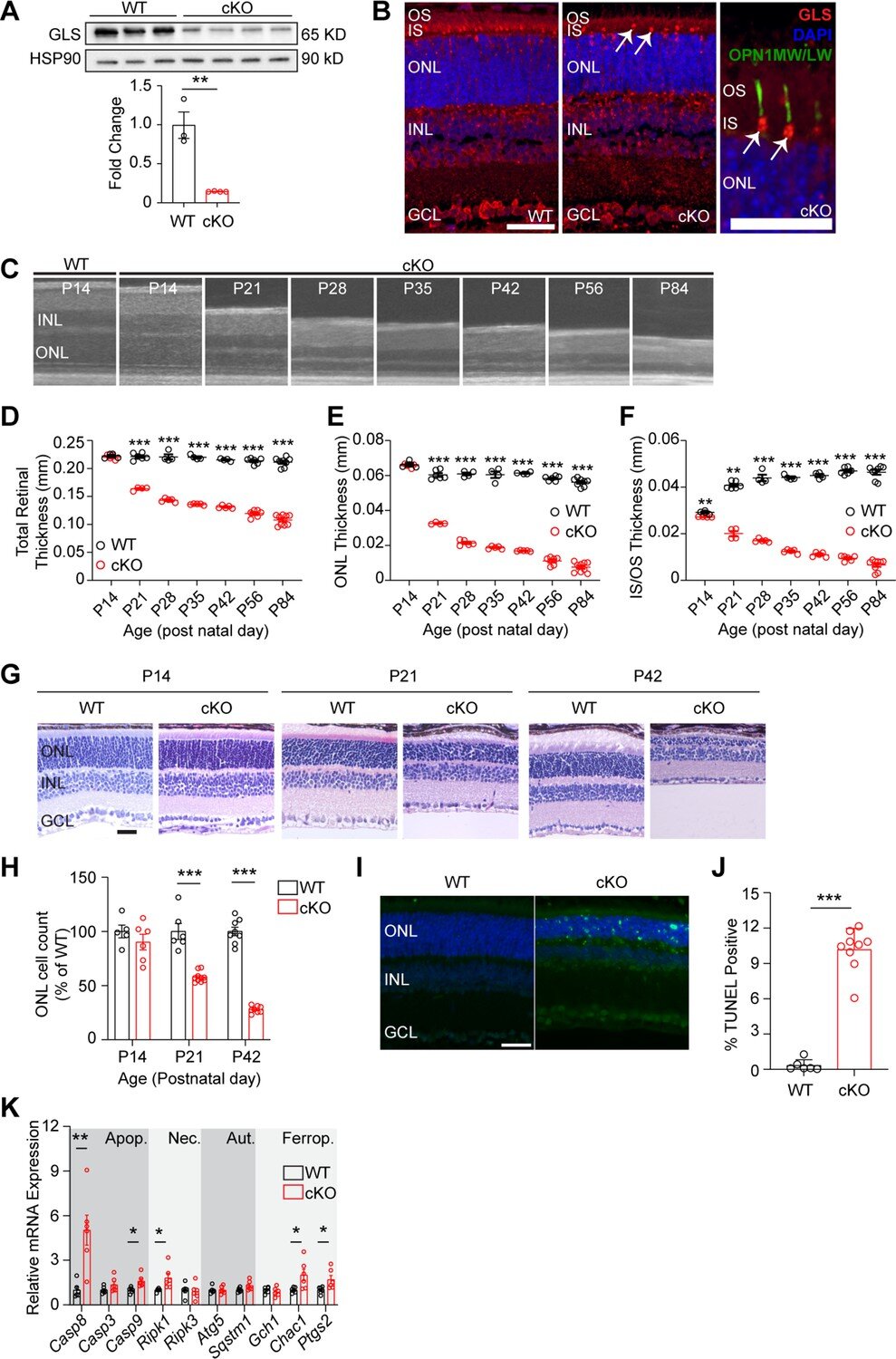
Rod photoreceptor-specific knockout of glutaminase (GLS) displays rapid retinal degeneration and increased markers of cell death. Credit: eLife (2025). DOI: 10.7554/eLife.100747.3 The retina places a large energy demand on the
Patient-specific 3D-printed contact lenses in just 20 minutes
A breakthrough combination of new silicone materials and advanced 3D printing technology developed by University of Waterloo researchers could transform how contact lenses are manufactured. The study, “Patient-specific hard contact