
Available for over a year

**Warning: this episode includes discussions of sexual abuse, suicide and upsetting scenes**

In just the last few years, AI chatbots have become routine aspects of many people’s everyday lives. They are being used as search engines, agony aunts, and sources of companionship.

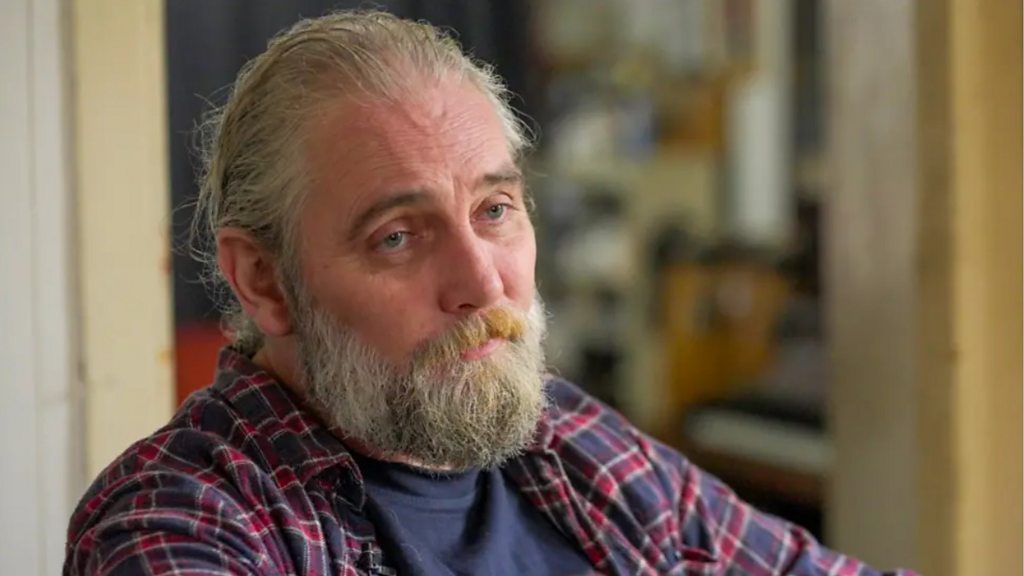
In rare cases though, AI chatbots have sent users down a dark path. In a new BBC investigation, population correspondent Stephanie Hegarty speaks to people who have experienced delusions after talking to chatbots – including one man who grabbed a hammer and prepared for war after his chatbot told him it was sentient.

Producers: Valerio Esposito, Viv Jones and Xandra Ellin

Executive producer: James Shield

Mix: Travis Evans

Studio manager: Jonathan Greer

Senior news editor: China Collins

Photo: Adam Hourican. Credit: BBC.

Programme Website


Source link

Leave a Reply

Your email address will not be published. Required fields are marked *

Explore More

Butterfly wings inspire new imaging technique for cancer diagnosis

Researchers at the University of California San Diego have found an unusual ally in the quest to make cancer diagnosis faster, more accurate and more accessible worldwide: the Morpho butterfly.

A new way to predict cancer’s spread? Scientists look at ‘stickiness’ of tumor cells

By assessing how “sticky” tumor cells are, researchers at the University of California San Diego have found a potential way to predict whether a patient’s early-stage breast cancer is likely

How Golgi stress affects T-cells’ tumor-fighting ability

The Golgi apparatus modifies, sorts and packages proteins to be sent to their final destinations, whether that’s within or outside of the cell. It’s a core function, but little studied