
Researchers at Liverpool School of Tropical Medicine (LSTM) have identified a bacterium strongly associated with noma disease, marking a major step toward earlier diagnosis and more effective treatment. In a new study published in PLOS Neglected Tropical Diseases, a research team from LSTM, working with partners at the University of Liverpool, Médecins Sans Frontières and the Noma Children’s Hospital, Sokoto, Nigeria, used metagenomic sequencing and machine learning algorithms to analyze saliva samples from children with acute noma. They uncovered a previously undescribed species of Treponema bacteria, which may be responsible for the disease.
Source link
Discovery of noma-linked bacteria opens path to early diagnosis and prevention
March 30, 2026
0 Comments
Explore More
‘Smart’ dental implants developed that feel and function like natural teeth
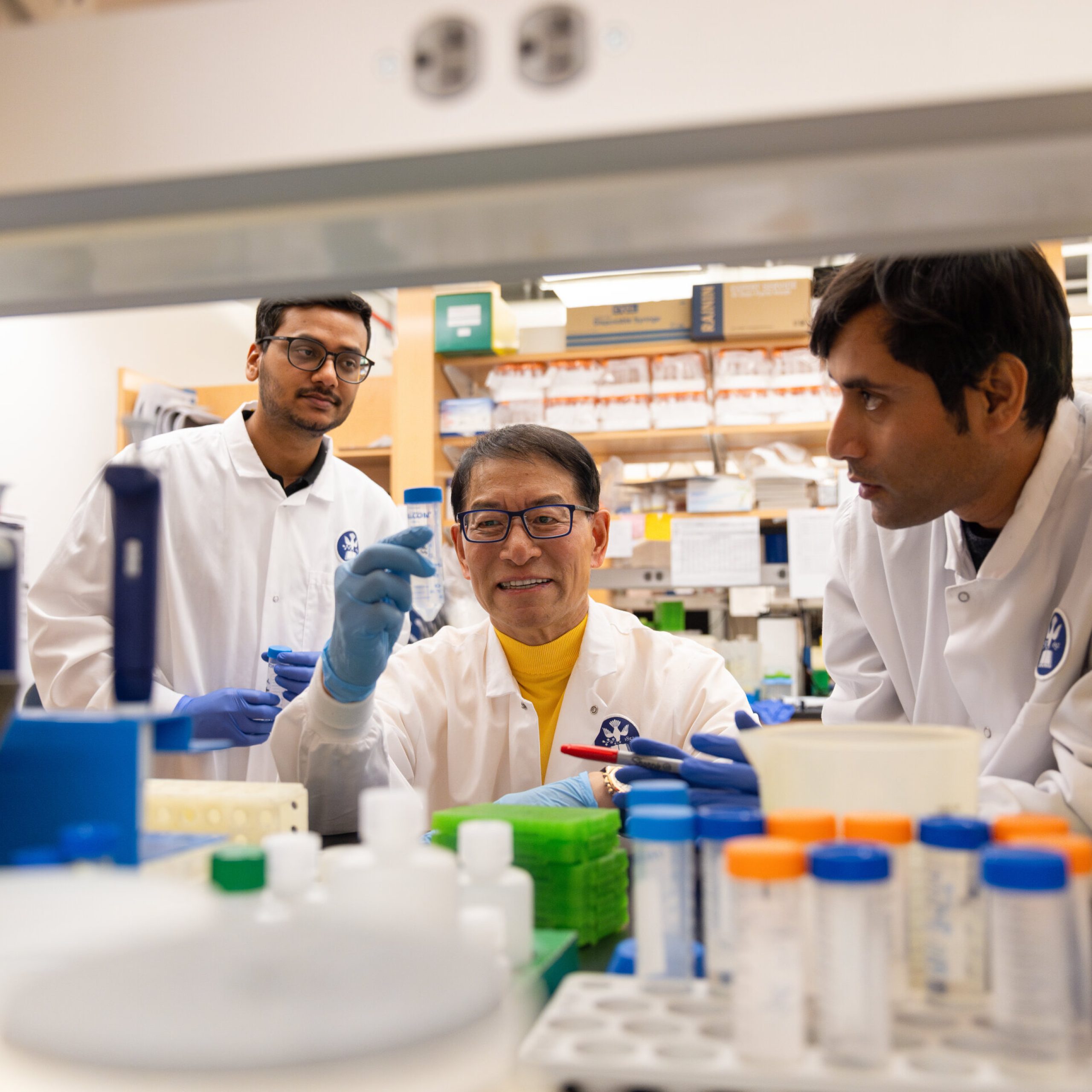
From left to right: Study co-authors Subhashis Ghosh, Jake Jinkun Chen, and Siddhartha Das in Chen’s lab at Tufts’ Biomedical Research and Public Health Building. Credit: Jenna Schad/Tufts University Each
Just a moment…
Just a moment… Enable JavaScript and cookies to continue This request seems a bit unusual, so we need to confirm that you’re human. Please press and hold the button until
Key risk factors and future directions

Credit: Unsplash/CC0 Public Domain Dental implants have revolutionized the treatment of missing teeth, providing a reliable and aesthetically pleasing alternative to traditional dentures and bridges. However, implant failure remains a